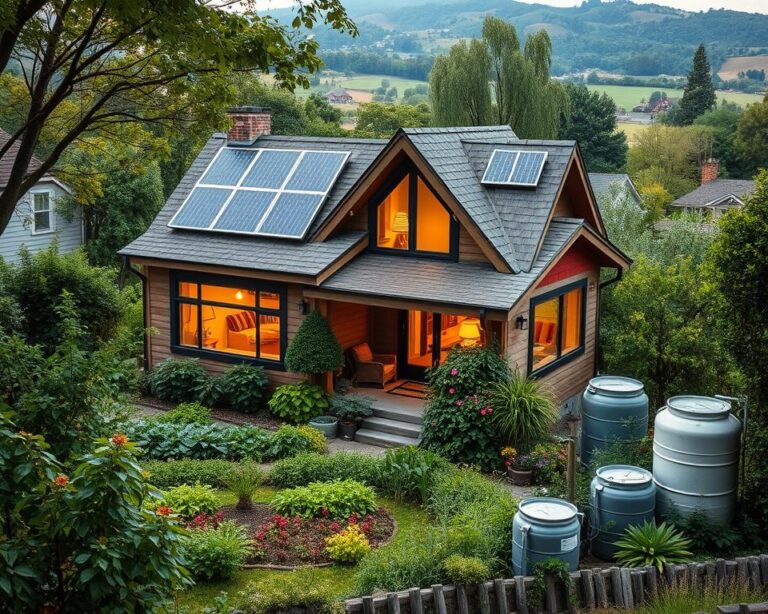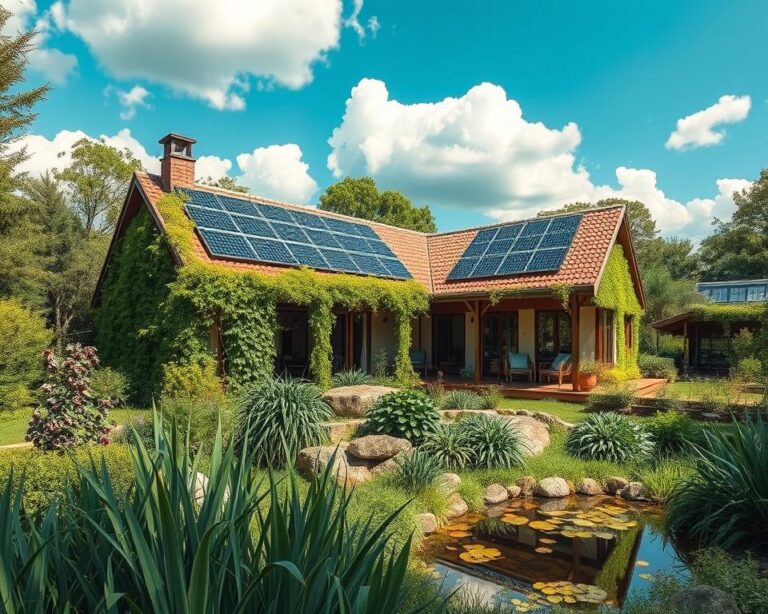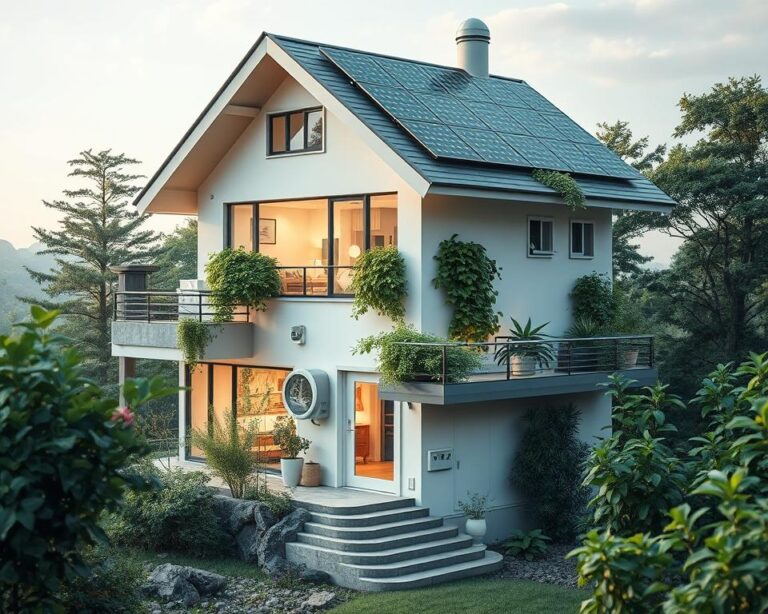

This guide helps homeowners in the U.S. to plan and execute eco-friendly home upgrades. These upgrades enhance comfort, lower utility bills, and reduce environmental impact. It targets cost-effective and practical green home improvements. These are beneficial for both old homes and new constructions.
Residential buildings are a major source of energy use and greenhouse gas emissions in the U.S. Many homes lack the latest efficiency features. The U.S. Department of Energy and the Environmental Protection Agency have shown that improving insulation, windows, and heating systems cuts down on energy and water usage. Such upgrades are both necessary and effective.
The guide covers various areas including the building envelope, systems like HVAC and plumbing, and materials such as flooring and paint. It also discusses outdoor improvements and smart-home integrations. You’ll find budget-friendly options, estimates of return on investment, and advice on prioritizing projects. These projects can improve indoor comfort and air quality while offering financial benefits and boosting home value over time.
This guide is for homeowners, renters coordinating with landlords, and renovators focusing on eco-friendly projects. It outlines which green home improvements are most affordable. It also discusses which sustainable living improvements are more costly. The guide helps you pick upgrades that match your comfort needs and environmental goals in the U.S.
Key Takeaways
- Eco friendly home upgrades improve comfort and reduce energy and water use.
- Building envelope, systems, materials, outdoor work, and smart tech all matter.
- DOE and EPA data show significant savings from targeted upgrades.
- Options are available for tight budgets and larger renovation plans.
- Prioritize projects that balance immediate comfort with long-term returns.
Understanding Eco-Friendly Home Upgrades
Eco-friendly home upgrades focus on renovations that save on energy and water, cut down on harmful emissions, and make your home healthier. These types of projects help homeowners in the U.S. deal with changing utility prices, follow new building codes, and meet the increasing demand for homes with green features.
Definition and Importance
Such upgrades can include making your home airtight or putting in energy-saving HVAC systems and safe materials. They help cut down on costs and make homes more durable against weather changes. The push for eco-friendlier homes is supported by the U.S. Department of Energy and programs like ENERGY STAR, which encourage the shift toward better-performing homes.
Benefits of Eco-Friendly Upgrades
Upgrading your home in this way can save you money on your energy bills every month and reduce unexpected repair costs. It can also make you eligible for money-saving rebates and tax incentives. These upgrades can also make your home more comfortable and quiet while improving the air you breathe and reducing harmful substances.
But it’s not just about the practical gains. Families often feel more secure financially and take pride in taking care of the environment. Moreover, homes with these green upgrades tend to sell for more, as buyers are on the lookout for these features.
To start improving your home, you can: 1) seal leaks and insulate to keep your home comfy; 2) upgrade your heating and cooling systems and install smart thermostats; 3) replace old windows and doors to keep the heat in; 4) fix water leaks, install efficient fixtures, and choose landscaping that saves water; 5) consider adding solar panels or other renewable energy sources to cut down on greenhouse gas emissions.
Getting a professional energy audit can help you figure out which projects to tackle first to get the most bang for your buck. Look for certified experts, like HVAC technicians with NATE credentials, insulation experts trained in RESNET and ENERGY STAR, or consultants with LEED and Green Rater certification for bigger projects.
Tools like ENERGY STAR and the Department of Energy’s Home Energy Score can help you understand how well your home is performing. These benchmarks can help you make informed choices about eco-friendly upgrades.
Energy-Efficient Windows Installation
Installing new windows can improve your home’s comfort, look, and energy usage. This part talks about different window types, how we test their performance, when you’ll see your investment pay off, and what installation involves. Going for energy-efficient upgrades means enjoying quieter, more comfortable rooms.
Types of energy-efficient windows
Modern windows often have double or triple-pane glazing. Triple-pane windows have an extra glass layer, perfect for colder places needing a low U-factor.
Low-emissivity (low-E) coatings keep homes cooler in summer and warmer in winter. Gases like argon and krypton between the panes reduce how fast heat travels; krypton works best for thin spaces.
Windows can have insulated frames made of vinyl, fiberglass, or wood-clad. If you prefer a modern look, go for thermal break aluminum frames. They reduce heat flow. For those seeking the latest, dynamic glazing windows adjust their tint as needed, ideal for managing sunlight in luxury projects. These options help match windows to your climate needs and design wishes.
Performance metrics and targets
When picking windows, look at their U-factor, Solar Heat Gain Coefficient (SHGC), and Visible Transmittance (VT). U-factor shows how well a window keeps heat in; you’ll want a low number for cold places. SHGC tells you how much sun heat gets through. In places with varied weather, you need a balanced SHGC.
VT measures how much light comes through. ENERGY STAR has set guidelines for windows based on U.S. climate zones. This helps homeowners compare options and choose the best fit for their local environment.
Cost savings over time
Changing your windows can lower your heating and cooling costs. How long it takes to get your money back varies. Many people see a return in 7 to 20 years, depending on where they live, how their old windows were, and energy costs.
Windows not only add to a home’s value but also improve comfort right away in ways hard to measure. ENERGY STAR and many utilities offer calculators and rebates to help figure out the savings. Looking into these programs can make going green more budget-friendly.
Installation process
Getting windows installed right is crucial. It starts with a detailed check and picking the right products based on their frame, glass, and gas fill.
Experts then take out old windows, put in new ones, and ensure everything is sealed properly. They insulate and finish the spaces, making sure no air or water can get in. Skimping on this step or hiring unskilled workers can ruin the benefits, so it’s vital to choose experienced installers for the best outcome.
| Feature | Typical Benefit | Best Use |
|---|---|---|
| Double-pane glazing | Improved insulation, lower noise | Mild to moderate climates |
| Triple-pane glazing | Superior thermal performance | Cold climates or high-efficiency builds |
| Low-E coating | Reduced heat transfer, glare control | All climates, tailored by SHGC needs |
| Argon / Krypton fill | Lower U-factor than air-filled units | Narrow gaps benefit from krypton; argon is cost-effective |
| Insulated frames (vinyl, fiberglass, wood-clad) | Reduced thermal bridging, durability | Depends on aesthetic and budget priorities |
| Thermal break aluminum | Slim profiles with better thermal resistance | Modern designs needing strength and style |
| Dynamic glazing (electrochromic) | On-demand tinting for glare and solar control | High-end projects with smart integration |
Homeowners interested in green updates should check out federal tax credits, local rebates, and ENERGY STAR incentives. DSIRE is a key resource for finding local programs, helping make your eco-friendly home upgrades more within reach.
Eco-Friendly Insulation Solutions
Improving insulation is a top eco-friendly home upgrade for homeowners. It enhances comfort, reduces bills, and promotes eco-friendly building. Choosing the right insulation can lower energy use and improve home value with sustainable features.
Types of eco-friendly insulation
Cellulose comes from recycled paper and is treated to resist fire. It’s eco-friendly because of its high recycled content. Formaldehyde-free fiberglass is another choice, with fewer chemicals than older versions.
Mineral wool, also called rock wool, fights fire and moisture and includes recycled materials. Sheep’s wool and recycled cotton offer natural, low-toxicity options with sound control. Soy-based or water-blown foams are greener alternatives to traditional foams, cutting down on emissions.
Energy retention benefits
R-value shows how well materials resist heat. Different insulations have different R-values. Dense cellulose and mineral wool are great for walls, offering strong insulation.
Attic insulation can majorly cut energy use, especially with air sealing. Proper insulation in attics, walls, and crawlspaces might lower heating and cooling needs by 10–30%. This depends on the house’s initial state.
But more insulation isn’t always better. After a point, it’s better to fix air leaks or thermal bridges. Along with R-value, air sealing and ventilation matter for saving energy.
Choosing the right insulation material
Pick insulation based on the job and location. Attics usually do well with cellulose or fiberglass because they’re affordable and cover well. Exterior walls benefit from cellulose or insulated sheathing to reduce heat escape.
Basements and crawlspaces often require moisture-resistant options like rigid foam. When picking insulation, think about moisture, pests, fire safety, and health. Look for a well-trained contractor for the best installation. This includes doing air sealing first, adding insulation smoothly, and ensuring proper air flow.
Installation best practices and incentives
Start with air sealing to stop heat from escaping. Use continuous insulation outside to break thermal bridges and follow rules for moisture control. Make sure your roof and indoor air are protected with the right venting.
Many programs offer rebates and tax breaks for upgrading insulation. These benefits can reduce costs and speed up the investment return on eco-friendly updates.
Sustainable Flooring Options

Picking the right floor changes your comfort and its lasting impact. Homeowners aiming for a greener home consider the origin and life of materials. They also think about how these choices affect air quality inside.
Bamboo and cork as alternatives
Bamboo, a quick-growing grass, turns into a durable floor if harvested right. It’s harder and dents less than most woods. Look for FSC certification and be wary of glues that could release toxins.
Cork flooring, harvested from cork oak bark, is renewable. It insulates, reduces noise, and bounces back from dents. It’s great for cozy, quiet rooms and works well with eco-friendly finishes.
Benefits of reclaimed wood
Reclaimed wood reduces the need for new wood and makes floors look unique. You can find it in demolition yards and through special projects. These boards are stable, less likely to shift or warp.
Yet, older wood might need fixing up and checking for hazardous substances. With careful prep, it can last longer, fitting into green renovations.
How flooring impacts indoor air quality
Floors can release VOCs through the materials, glues, and finishes used. Choose products with FloorScore or GREENGUARD labels to avoid harmful emissions. Water-based, low-VOC finishes are better choices.
Using less glue or certain installation methods can also help. Hard surfaces are easier to keep clean of allergens than carpets.
Durability, lifecycle, and practical choices
Look into how long different floors last and what they need for upkeep. Bamboo and reclaimed wood are durable. Cork adds comfort and is kid- and pet-friendly but might need more care.
Think about recycling or biodegrading options for the floor’s end of life. Choose a floor that suits your area, how busy your home is, and how much time you’re willing to spend on upkeep.
- Tip: Ask for certifications and a list of ingredients when shopping.
- Tip: Choose installation methods that use less glue for better air quality.
- Tip: Find a balance between how it looks and how long it lasts for the best green living.
Efficient Heating and Cooling Systems
Upgrading your heating and cooling systems reduces bills and increases comfort. Those who upgrade to energy-efficient systems see their bills go down. They also enjoy a comfier home, a smaller carbon footprint, and contribute to a healthier planet.
Importance of SEER Ratings
SEER stands for Seasonal Energy Efficiency Ratio. It tells us how efficient cooling systems are over a season by comparing output and input. High SEER ratings lead to better efficiency and lower costs while suiting the home’s needs.
It’s crucial to get the size right. Oversized units aren’t efficient and often underperform. Technicians can use a specific calculation to ensure a perfect fit. Switching to a modern system that meets federal standards can significantly reduce energy use.
Ductless Mini-Split Systems
Ductless mini-splits provide efficient heating and cooling without ductwork. They’re great for managing temperatures room by room. They’re often the top choice for adding to or updating older homes.
These systems use advanced tech to maintain comfort while using less energy. Top brands offer units with impressive efficiency. They align well with eco-friendly home improvements by slashing wasted energy and focusing on where comfort is needed most.
Programmable Thermostats
Programmable thermostats adjust temps based on your schedule, saving energy when you’re asleep or out. Smart models add features like learning your habits, remote adjustments, and sensing when you’re home to save even more.
Make sure your system is compatible with smart thermostats. The right setup ensures these devices help make your home more eco-friendly. They manage energy use by setting the temperature just right and reducing how often your system runs.
Choosing the right size, keeping up with maintenance, and looking for rebates make a big difference. A precise capacity check, ductwork refinements, and simple upkeep tasks keep your system working smoothly and efficiently.
| Upgrade Type | Key Benefit | Typical Efficiency Metrics | Notes |
|---|---|---|---|
| High-SEER Air Conditioner | Lower seasonal cooling costs | SEER 16–26 | Choose right size via Manual J; meets many utility rebate criteria |
| Ductless Mini-Split | Zoned control, minimal duct loss | SEER 18–30, HSPF 9–13 | Best for retrofits and room additions; inverter compressors improve efficiency |
| Programmable Thermostat | Scheduled setbacks reduce runtime | Varies by model; smart units save 10–15% on heating/cooling | Check compatibility with heat pumps and multi-stage systems |
| Duct Sealing & Insulation | Reduces distribution losses | Can lower HVAC energy use by 10–30% | Combine with equipment upgrades for maximum effect |
| Qualifying Heat Pump Upgrades | Eligible for federal tax credits and rebates | Efficiency varies; look for ENERGY STAR models | Check current federal and utility incentive programs before purchase |
Water-Saving Plumbing Upgrades
Water efficiency is a key part of eco-friendly home upgrades. Small plumbing changes can cut utility bills and lower water demand. They also support green building upgrades that raise a home’s long-term value.
Low-Flow Fixtures
Replacing older toilets with 1.28 GPF models or dual-flush options saves a lot. Swapping out showerheads for 1.5–2.0 GPM units also helps. Faucet aerators reduce flow but keep performance the same.
These fixtures can lower indoor water use by 20–60% over old hardware. Look for the EPA WaterSense label to ensure water savings and performance. Making these switches is a simple step towards eco-conscious living with fast benefits.
Greywater Recycling Systems
Greywater systems reuse water from showers, tubs, and sinks for irrigation or toilet flushing. Simple systems move extra shower water to your plants. More complex systems filter and store greywater for later.
They reduce the need for clean water and lower sewer fees. Before installing, check local plumbing rules, consider treatment needs, and plan for upkeep. These systems are great green choices in areas short on water.
Benefits of Rainwater Harvesting
Rooftop catchment systems with cisterns and tanks meet non-drinking water needs. This includes things like watering plants and outdoor cleaning. The setup size depends on your roof and local rain patterns. Some uses may require water filtering.
Rainwater harvesting reduces runoff and soil erosion, helping with urban stormwater management. Area laws and incentives can influence your design. This option is really helpful for homes in dry places, adding to eco-friendly efforts.
Leak Detection and Efficient Appliances
Leak detection devices and smart water meters find hidden leaks early. Upgrading to ENERGY STAR-rated dishwashers and washing machines saves on water and energy. Using efficient fixtures, reuse systems, and smart choices gives the most savings. It all adds up to a powerful eco-friendly home upgrade plan.
Solar Energy Systems for Homes
A well-designed solar setup turns sunlight into dependable energy. It also adds valuable, sustainable features to your home. It’s important to choose the right system, inverter, and storage to suit your home’s location and your goals. Experts assess your roof’s direction, shading, and structure before you buy.
Types of Solar Installations
Rooftop photovoltaic (PV) panels are very popular. Grid-tied systems connect to the public utility to lower bills. Systems with battery backup provide extra security in power outages. Off-grid options are best for places far from utility lines.
Solar shingles, like Tesla’s, blend into your roof for a sleek look. Community solar lets people without sunlit roofs use shared solar panels.
For converting solar power, string inverters are affordable. Microinverters or power optimizers work well for roofs that get some shade. Mounts can sit flush, tilt, or use weights for flat roofs.
Benefits of Going Solar
Solar can greatly reduce or eliminate your electric bills. Plus, they can protect you from rising utility prices. Homes with solar installations are often worth more because buyers like saving on bills and helping the planet.
Adding energy storage, like a Tesla Powerwall, means you can use more solar power. It keeps your lights on when the power goes out. Using less electricity from the grid helps reduce pollution, making your home greener.
Tax Incentives and Rebates
The federal government offers a tax credit for part of your solar system’s cost. Make sure to check the latest rates. State incentives, net metering, and local rebates can also make solar more affordable.
Some places even make it easier to get permits or connect to the grid. Look up local programs to find current deals and requirements.
Site Assessment and Return on Investment
A professional will check your roof’s features and predict how much power you’ll get. They’ll look at costs, incentives, and electricity prices to figure out your savings.
You can pay for your solar system in different ways, which affects how soon it pays off. Solar systems don’t need much upkeep, just cleaning and occasional checks. Panels and inverters come with long warranties.
| System Type | Best For | Typical Cost Range | Key Advantage |
|---|---|---|---|
| Grid-Tied PV | Standard residential roofs | $10,000–$30,000 | Lowest upfront cost and bill reduction |
| Grid-Tied with Battery | Owners seeking resilience | $15,000–$45,000 | Backup power during outages |
| Off-Grid System | Remote homes without utility | $20,000–$60,000+ | Complete independence from grid |
| BIPV (Solar Shingles) | Roof replacements and design-focused homes | $20,000–$50,000 | Integrated aesthetic and function |
| Community Solar Subscription | Renters, shaded roofs | Monthly subscription fees | Access to solar without on-site panels |
Installing solar is one of the top eco-friendly home improvements. Along with good insulation, efficient heating and cooling, and smart tech, it’s part of an overall plan. This approach increases both comfort and the value of your home in the long run.
Eco-Friendly Paint and Finishes

Choosing eco-friendly paints and finishes is easy and helps the environment. It also keeps your home healthy. Look for products with low or no VOCs. Make sure they don’t have phthalates or formaldehyde. Look for the Green Seal, GREENGUARD Gold, or EPA Safer Choice labels.
Choosing Non-Toxic Options
Always read product info and safety sheets before buying. Water-based paints and low-VOC primers are good. They reduce solvent use but still stick well and keep their color. Brands like Benjamin Moore Natura and Sherwin-Williams Harmony are reliable. Farrow & Ball also has low-VOC options for special finishes.
Choose stains and sealants with low or no VOCs. If your home is old, test for lead paint first. Use experts for safe removal when necessary.
Benefits of Low-VOC Products
Low-VOC paints don’t give off as many harmful fumes. This means fewer headaches, less eye irritation, and better air for those with asthma. These paints last as long as regular ones. So, you don’t need to repaint often. This supports green home updates.
Long-lasting finishes reduce waste and environmental impact. Use leftover paint wisely or choose recycled paints for your projects. This makes renovations more eco-friendly.
How Paint Affects Indoor Air Quality
After painting, harmful fumes decrease as the paint dries. Good airflow during and after application helps. It also improves the air inside. Wear masks when needed and let areas dry fully before using them again.
Look for low-VOC glues, stains, and sealants too. Using a low-VOC primer enhances your paint job. It makes it last longer and supports green home improvements.
Start by cleaning areas with safe cleaners. Use sturdy brushes and rollers. Follow local rules when throwing away paint. For tips on safe painting, check out resources from experts like eco-friendly interior painting guides.
Smart Home Technology for Efficiency
Nowadays, it’s easier to keep an eye on and lower our energy use at home. Smart systems help by turning information into actions. This leads to smarter eco-friendly updates at home. Homeowners can see how small changes and smart investments reduce bills and help the planet.
Energy monitors show exactly how much energy we use. Brands like Sense and Emporia offer detailed views down to each circuit. Smart plugs can tell you how much energy a single appliance uses. These tools point out which devices use too much energy. This way, it’s easier to know what to replace, like an old water heater.
Energy Monitoring Systems
Owners watch their energy use in real time. They can see sudden increases and track regular use. Sometimes, companies give discounts on these tools. This makes eco-upgrades more affordable.
Thermostats and Automation Tools
Smart thermostats adjust to our schedules and save energy. Brands like Nest and Ecobee make heating and cooling smarter. They also adjust the air in rooms that we’re actually using.
Home systems like Apple HomeKit, Google Home, and Amazon Alexa connect heating, shades, and more. Tech standards like Matter, Zigbee, and Z-Wave make mixing brands easier. These tools automate home comfort while saving energy.
Benefits of Smart Lighting
LED lights with sensors save lots of energy. They use much less power than old bulbs. They also make our homes more comfortable and can help us sleep better.
Setting timers for lights stops waste. Lights that turn on only when needed are convenient and save money. Adding smart lighting to energy monitoring shows savings fast.
It’s vital to keep our data safe with these devices. Always use strong passwords, keep software updated, and know your data rights. Taking these steps keeps our homes safe while we enjoy smart features.
| System | Typical Upfront Cost | Primary Benefit | Estimated Payback |
|---|---|---|---|
| Whole-home monitor (Sense, Emporia) | $200–$300 | Circuit-level energy visibility | 1–4 years with targeted upgrades |
| Smart plugs and power strips | $15–$60 each | Appliance-level tracking and scheduling | 6 months–2 years for high-use devices |
| Smart thermostat (Nest, Ecobee) | $120–$250 | Learning schedules and remote control | 1–3 years; utility rebates may apply |
| Occupancy sensors and smart vents | $40–$150 per room | Room-level comfort and airflow control | 1–4 years depending on HVAC gains |
| LED fixtures with tunable white | $20–$120 per fixture | High-efficiency lighting and circadian support | 6 months–2 years with frequent use |
Landscaping for an Eco-Friendly Home
Thoughtful landscaping makes yards strong and easy to care for. It also helps nature and cuts down on using resources. Homeowners can use native plants, smart water design, and edible gardens. This will lower their expenses and make their home look better.
Native Plant Choices
Choosing local plants means they need less water and fewer chemicals. The Lady Bird Johnson Wildflower Center and local services help pick the right plants for each area.
Native shrubs, grasses, and wildflowers are good for bees and birds. They grow quickly and don’t need much care. This makes them a smart choice for an eco-friendly home.
Xeriscaping Principles
Xeriscaping uses smart planning and soil improvement to save water. Group plants by their water needs. Use organic matter in soil and drip systems to reduce water loss.
Mulching and regular care stop weeds and keep the soil moist. In dry areas, xeriscaping saves a lot of water. It also cuts back on runoff and lawn care costs.
Urban Gardening Benefits
Urban gardens can be in raised beds, pots, or vertical spaces. They make the city greener and let people grow food near their home.
Having gardens for pollinators and green roofs adds to biodiversity. They also help keep buildings cooler. Growing your food is good for your mind and is a great way to live sustainably.
Stormwater and Permeable Surfaces
Using permeable pavers and creating rain gardens helps manage stormwater. These methods reduce runoff, stop erosion, and ease the strain on city water systems.
There might be local benefits for using these green solutions. It’s wise to plant trees away from utilities. Planning for root growth makes for safer and easier care in the long run.
Practical Implementation Tips
Start with a small change, like replacing grass with native ground covers or a veggie patch. Use a drip irrigation system with timers. Add a thick layer of mulch to keep the soil moist.
Mixing different green strategies offers the best value. Using native landscaping, xeriscaping, and urban gardening together can fit into many budgets. They are solid choices for making your home more eco-friendly.
The Role of Smart Home Devices
Smart devices make your home more responsive to your lifestyle. They work with things like smart thermostats, smart plugs, and automated shades to save energy. This means lower energy use when matched with things like better insulation or solar panels. Homeowners save energy by setting up schedules, turning off devices remotely, and controlling shades.
Enhancing Energy Efficiency
Smart thermostats, such as Nest or ecobee, learn your habits to adjust heating or cooling. Smart plugs and appliances help avoid energy waste from devices not in use. And automated blinds help keep your home cooler in summer and warmer in winter. All these updates work together to lower energy bills and increase comfort with little effort.
Importance of Monitoring Systems
Keeping track of energy use is crucial. Tools like Sense or Emporia give detailed energy use data. They show how green updates are working. By understanding energy trends, homeowners can set goals, spot unusual energy use, and track solar energy use. This helps turn data into real energy-saving actions.
Integration with Renewable Energy Sources
Smart systems help use more solar energy and battery storage by managing when to use appliances. They plan for high-energy use when solar energy is plentiful and shift charging to cheaper times. This smart scheduling helps make the most of solar energy and join energy saving programs.
To start, first put in a system to monitor energy. Then update things like thermostats and lights. Add automation and solar energy steps last. Choose devices that work well together and follow safety tips online. With the right windows and insulation, smart home tech boosts savings and comfort.