
Did you know that laundry uses nearly 20% of a home’s indoor water in the U.S.? Reusing water from your washing machine can help save lots of water. It also reduces your bills and keeps your yard green, even in dry times.
Greywater comes from showers, bathtubs, sinks, and washing machines, but not from toilets or kitchen sinks. In this guide, we’re focusing on water from laundry. We’ll talk about setting up a system, the good it does for your yard, and how to recycle water the right way.
This article will look into safety, the choice between doing it yourself or hiring a pro, and the laws in different states. We’ll suggest plants, tell you where to put them, how to keep everything running well, talk about the environment, and how to make your system even better.
We’re aiming this info at homeowners, renters (with their landlord’s okay), people who design gardens, and anyone interested in living more sustainably. You’ll get practical advice on setting up and keeping up a greywater system. This ensures it’s legal, safe, and works well.
Key Takeaways
- Laundry greywater is a large, practical source of reusable water for irrigation.
- A proper greywater system washing machine setup reduces water bills and municipal demand.
- Safe greywater recycling depends on detergent choice, system design, and legal compliance.
- Both DIY and professional installations are viable; choose based on local codes and skill level.
- Regular maintenance and correct plant placement keep landscapes healthy and systems working.
Understanding Greywater Systems
Greywater is water that’s already been used in homes, except in toilets and kitchens. It comes from showers, sinks, and washing machines. These sources carry soap, lint, and more, which change based on detergents and water type.
In places like California, Arizona, and Nevada, saving water is crucial. Greywater systems help by recycling water for gardens, reducing the need for fresh water. This helps cities save on water treatment and delays the need for new facilities.
There are various greywater systems available. They range from simple setups that water gardens straight from your laundry, to complex ones that clean the water for use on delicate plants. Each system is designed to suit different needs and garden types.
Using greywater wisely is great for plants. It brings them nutrients which are helpful. This can make gardens more drought-resistant, reduce water bills, and help local plants thrive.
When choosing a greywater system, think about your garden’s needs. For small, rugged areas, basic systems are best. More complex gardens or those with food plants might need advanced systems to keep things safe and healthy.
Washing Machine Greywater: Is It Safe?
Reusing washing machine water saves a lot of water each week. Yet, its safety relies on what we wash away and how we use the water. Laundry greywater carries fewer germs than toilet waste. Still, chemicals, salts, and high boron can hurt the soil and plants that are sensitive. By being careful about what we put in and how we spread it out, we can keep risks low.
Types of Detergents and Their Impact
Some soaps are better for reusing water. Go for biodegradable, low-sodium, low-phosphate, and boron-free types to protect the earth and roots. Brands like Seventh Generation and Ecover offer products with gentler cleaners and less salt.
Powder soaps and fabric softeners leave behind more stuff that can block the water flow. Using laundry water with bleach or lots of salt increases sodium and changes pH levels. These changes can mess up soil structure and slow down plant growth.
Too much sodium and pH changes can keep water from soaking into the soil. Soap scum can also stop moisture. Picking detergents that are gentle on the environment and checking your soil can dodge these issues. This keeps any greywater system washing machine setup running well.
When to Avoid Using Greywater
There are times when greywater shouldn’t be used. Don’t reuse water if someone at home is sick or has a weak immune system. Also, don’t water fruits or veggies we eat with untreated laundry water.
Don’t reuse water from washing diapers or clothes with pet mess, raw meat, car fluids, paint, or solvents. These can introduce harmful germs or chemicals. Avoid using these systems when it’s freezing outside to prevent water lines from freezing and causing issues.
Take steps to lower risks when reusing water. Send water through systems that put it into the ground rather than spraying it onto surfaces. Don’t keep untreated greywater for more than a day to stop germ growth. Homeowners can try out a greywater system DIY project but should know the rules and get help when needed.
| Factor | Low-Risk Choices | High-Risk Choices | Recommended Action |
|---|---|---|---|
| Detergent type | Biodegradable, boron-free, low-sodium (e.g., select Seventh Generation, Ecover) | High-salt, bleach, powdered with heavy fillers | Switch to low-impact detergents; test soil if unsure |
| Laundry content | Clothing lightly soiled by sweat, normal wash loads | Diapers, pet waste, raw meat, chemical-soiled items | Exclude contaminated loads from reuse |
| Application method | Subsurface drip, mulch basins, roots-only irrigation | Surface spray, direct contact with edible parts | Use subsurface routing and avoid edible crop contact |
| Storage time | Under 24 hours | Stored untreated over 24 hours | Keep flows steady; do not store untreated greywater |
| Regulatory context | Systems installed per local codes and permits | Unpermitted or noncompliant installations | Review greywater system regulations and obtain permits |
How to Set Up a Greywater System for Your Washing Machine
Setting up a greywater system begins with picking the right design for your space and needs. You might choose a laundry-to-landscape diverter. It’s a valve that directs water from your washer to your garden or back to the sewer. A branch drain system collects water from many fixtures and feeds it to plants underground. For big yards, pumped systems with filters and tanks can water faraway plants.
DIY Installation vs. Professional Help
Many people install a simple laundry-to-landscape system on their own. It usually costs between $50 and $500 for materials if the law allows. You only need basic plumbing know-how. Doing it yourself saves money and lets you quickly manage your greywater.
If you need something complex, like a branch drain system, hire a pro. Licensed plumbers make sure everything is legal and works right. They deal with permits, prevent backflow, and ensure safe water flow. Hiring a professional can cost from $1,000 to over $5,000, based on the system’s size and features.
Choosing DIY or professional help depends on local laws, your skill, and your landscape’s needs. If unsure, ask a licensed plumber in your area for advice. This makes sure your system follows the code.
Required Tools and Components
A basic reuse setup needs a three-way valve, pipes, a lint trap, and a way to spread the water underground. You might also need a backflow preventer, gravel, and fabric for special basins. These items ensure the water goes where it should.
For bigger or delicate projects, you might add filters, tanks, or pumps. These help if your garden is far from the washer. Systems for special uses may need chlorination or UV units, though they’re not common for simple garden watering.
You’ll need tools like a pipe cutter, wrenches, glue, clamps, a shovel, and tape to install everything right. These tools help you set up a system that reliably reuses water. Always follow the directions and local codes to keep your garden and water safe.
To install: Find the washer drain, fit a diverter or connect pipes with the right slope, put in a lint trap and filter, run pipes to underground spread points, check for leaks, and label the pipes. Always follow maker instructions and building codes.
Legal Considerations for Greywater Use
The rules for using washing machine water vary in the U.S. Some places allow easy laundry-to-landscape systems. Others ask for permits for more complex setups. It’s smart to check local rules before starting any work.

State Regulations on Greywater Systems
In California, you can often set up laundry-to-landscape systems if you follow certain rules. Arizona also lets people use similar systems, but they have their own guidelines. Colorado and some other places give advice, but some places are strict.
Your local health department, plumbing codes, and water agencies usually make the rules. It’s good to talk to the California Department of Water Resources or the Arizona Department of Environmental Quality. Or check with your county or a plumbing inspector. This helps you avoid any surprises and keep your project legal.
Permits and Inspection Requirements
Most of the time, you need a permit for big plumbing changes or to use pumps. Inspectors look for things like backflow prevention and pipe labeling. If you’re connecting many fixtures, you’ll likely need a review.
Documenting everything is key for your insurance. Tell your insurer and keep your permit papers. Make sure to learn about your local rules, talk to the building department, work with professionals if needed, and set up inspections.
Cost considerations matter. The price of a greywater system can change based on its type. Simple ones are cheaper than systems needing permits. Plan for permit fees, inspection costs, and any professional help you might need.
Best Practices for Using Greywater in Landscaping
Using greywater from washing machines helps save water and keep landscapes healthy. It’s important to handle it safely and design your system to reduce contact and protect plants. Even small measures can greatly improve safety and system performance.
Ideal Plants for Greywater Irrigation
Trees and large shrubs do well with greywater. Species like California oaks, olives, pines, mesquites, and various ornamental shrubs benefit from it. They thrive with regular root-zone watering.
Many ornamentals and non-edible plants are also good choices. Lavender, rosemary, oleander, agave, and many drought-resistant perennials can handle mild salts and frequent watering.
But be careful with edible plants. You can water fruit trees with greywater, but only if it touches the roots, not the fruit. Don’t water leafy greens, root veggies, or herbs you’ll eat raw with greywater.
Avoid using greywater on plants sensitive to salts or boron. Some succulents and plants might not do well. Opt for plants like oleander or date palms, or check your soil often.
Placement and Distribution Techniques
Delivering greywater below the surface is best. Using subsurface drip lines ensures even water spread. It keeps the water under the mulch and soil, which reduces aerosol risks.
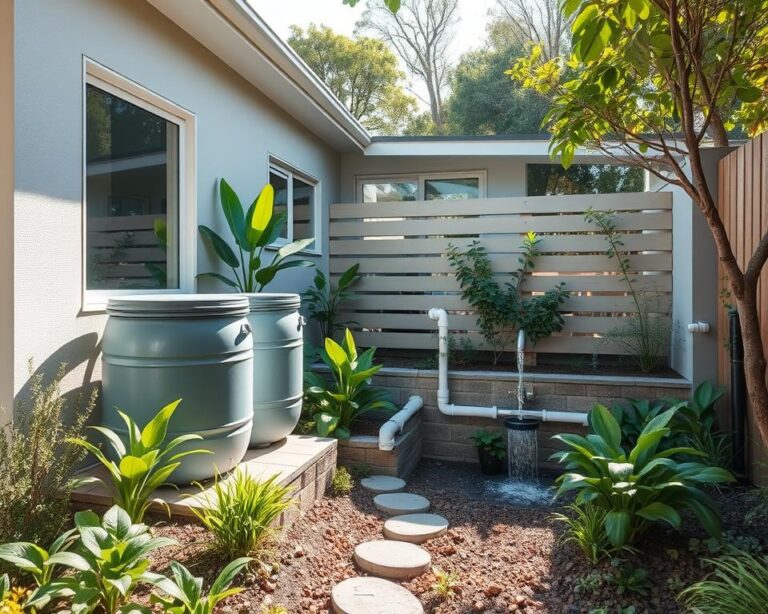
Mulch basins are great for trees. They spread water evenly and help it soak in better. To do this, dig basins, fill them with coarse mulch, and direct greywater there.
In smaller spaces, use shallow trenches with perforated pipes and rocks. Make sure these trenches have a slight slope. And put a filter before the pipe to stop clogs.
Switch between irrigation zones to avoid salt build-up. Use different zones on different days and watch how the plants and soil react. Flush the area with clean water now and then.
Be smart about where you put your greywater system. Keep it away from wells, rivers, and edges of your property. And make sure not to water near your house’s foundation.
Don’t store greywater for over 24 hours unless treated. Avoid using spray systems that might spread droplets into the air. Always follow your local safety rules and guidelines.
Maintenance of Greywater Systems
Keeping your greywater system in shape is crucial. It helps it work safely and last longer. By doing routine checks, you can avoid problems like clogs and bad smells. This guide will show you simple steps for keeping your system up, whether you’re doing it yourself or hiring someone.
Common Issues and Solutions
Laundry systems often get clogs from lint and other solids. Using lint traps and filters helps a lot. Remember to clean the lint screen in your washing machine and check the traps every week if you use it a lot.
If you let greywater sit, it might start to smell. To avoid this, use the water right away. If you notice a smell, flush the system with fresh water and check for blockages. Adding biofilters can also make the water cleaner.
Roots can grow into the pipes and cause trouble. Using root barriers or shallow piping can prevent this. It’s also good to check the pipes now and then and fix any damages quickly.
Parts like pumps and switches can wear out. Check these parts often and test your alarms. This way, you can replace any old parts before they stop working.
If water pools or runs off, there might be a problem with how it’s spread out. Make sure the ground is sloped right and fix any leaks. You might also need to make your soil better so it can absorb more water.
Regular Cleaning and Care Tips
Look over your system each month for leaks or problems with filters. If you use your system a lot, clean out any sediment or lint every week. It’s also smart to have some extra parts on hand for quick repairs.
Getting ready for different seasons is important too. In cold places, make sure to protect your pumps and pipes. Before it gets cold, flush the system and check it after storms to make sure there’s no damage.
Keeping a record of maintenance and any changes you make helps a lot. Write down when you clean the system, change detergents, and how your plants are doing. This makes it easier to take care of your system and improve it.
It’s good to know a professional plumber or specialist just in case. Taking care of your system regularly can save you money on repairs and help your garden stay healthy.
The Environmental Impact of Greywater Reuse
Reusing your laundry water changes how we see and use water. Small setups catch water from washing machines to water the garden. When we start recycling greywater, it reduces the demand on our water system.
Water Conservation Benefits
Laundry greywater is 20–30% of a home’s wastewater. Redirecting this water can lessen indoor water use by 20–50%, depending on the system and habits.
In states like California and Arizona, many homes with greywater systems help lower city water use. This is super helpful during droughts, helping everyone have enough water.
Using less water also means using less energy for treating and moving water. This means we’re helping the planet by reducing greenhouse gases from water treatment.
Reducing Wastewater in Landfills
Using greywater means less stress on treatment plants and septic systems. For homes with septic tanks, this means less solid waste buildup and less frequent cleaning.
While greywater doesn’t go to landfills, using less produced water means less waste. This leads to a smaller footprint from bottles and other packaged water.
Using greywater also helps the environment by reducing the need to pull water from the ground and supports green areas in cities. Installing a greywater system at home helps everyone by conserving resources for the future.
| Impact Area | Typical Effect | Quantified Benefit |
|---|---|---|
| Household potable water use | Reduced by reusing laundry flows | 20–50% reduction, depending on system scope |
| Municipal demand in drought regions | Lower peak consumption and strain | Notable reductions in California and Arizona during dry periods |
| Energy and emissions | Less treatment and pumping required | Reduced energy use and associated greenhouse gases |
| Septic system longevity | Decreased solids accumulation | Extended pump-out intervals with proper management |
| Waste footprint from packaged water | Indirect reduction through lower demand | Less packaging and transport waste over time |
| Urban ecosystem support | Greener landscapes with less potable irrigation | Improved habitat and cooler microclimates |
Common Misconceptions About Greywater Systems
Some homeowners are unsure about reusing washing machine water. They hear myths more than real facts. A good understanding of safety and costs can help families decide if a greywater system is right for their yard and budget.

Myths vs. Facts About Safety
There’s a myth that all greywater is dangerous. But laundry greywater is usually safer than toilet waste. The risk is much lower if you avoid washing dirty diapers and using strong chemicals.
Some people think greywater can ruin soil forever. But if you apply it correctly, like with subsurface drip systems, soil microbes will break down the organic stuff. Soil and plants stay healthy when you use eco-friendly detergents.
Another myth is that greywater always smells. Bad smells happen when water sits too long or doesn’t drain well. If your system puts water directly into the soil without storing it, it usually won’t stink.
Cost Implications and Savings
The initial costs for greywater systems can range a lot. A simple setup you do yourself might cost between $50 and $500. If you go for a professional system with extra features, it could cost $1,000 to $5,000 or more.
After setup, there are small costs for upkeep, like changing filters or fixing small problems. Some houses might use more water to flush pipes occasionally. But, you’ll likely save on your water bill, especially where water is pricey.
How quickly you save money depends on water costs and the system’s complexity. In places with high water rates, you could see savings in just a few years. If your local water is cheap, it’ll take longer to save money.
Many local governments and water companies offer rebates or help with installing water-saving systems. Looking into these programs can reduce your costs and increase your savings.
Greywater vs. Other Irrigation Methods
Looking at different ways to water your yard can help you choose the best option. Using the greywater from your washing machine gives you water whenever you do laundry. On the other hand, collecting rainwater depends on the weather and seasons. Each method has its positives and negatives in terms of water quality, how much you can store, and how you can use the water.
Comparing greywater to rainwater harvesting
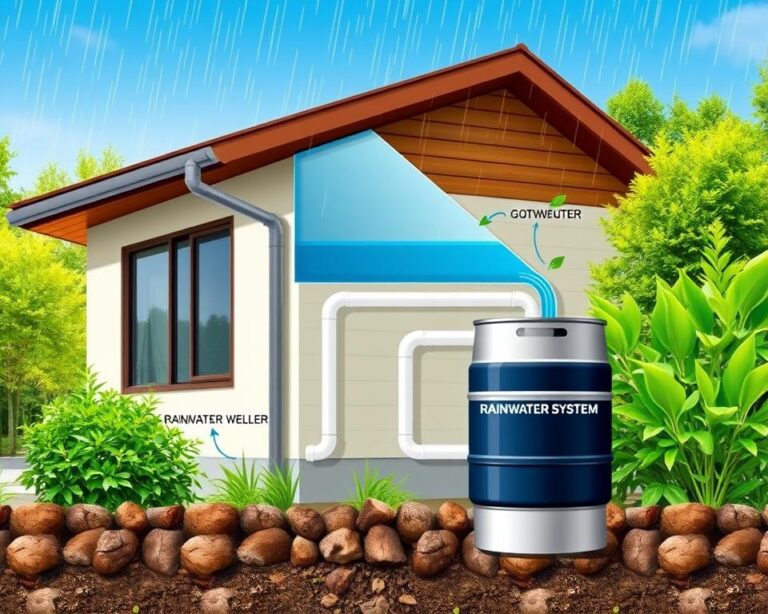
Greywater from laundry gives a steady supply of water when you need it. Rainwater is often cleaner but might pick up dirt and bird droppings from your roof. While you can store rainwater for future use, it usually needs treatment before you can use it for certain purposes. A lot of people use both greywater and rainwater systems together to ensure they always have enough water and to increase their system’s reliability.
Use-case differences
- Using greywater for watering your garden doesn’t require you to store it. It’s easy to direct it to areas where your plants can absorb it directly.
- Collected rainwater is great for watering your garden and for some indoor uses as long as it’s properly cleaned and treated.
- Having both systems in place can relieve your city’s water supply more effectively than using just one method.
Benefits over traditional irrigation systems
Using greywater and rainwater can save a lot of drinking water compared to typical sprinkler systems. Delivering greywater directly to plant roots helps avoid water loss through evaporation.
Cost and sustainability
- Starting a greywater system with your washing machine is often cheaper than setting up a big rainwater tank and pumps.
- You can see savings on your water bill over time, and using recycled water is better for the planet than always using fresh water for irrigation.
Limitations and practical notes
The layout of your greywater system is really important. If not done right, it could harm your plants or break local rules. While traditional sprinklers might be simpler for some yards, it’s important to think about upkeep, local laws, and the types of plants you have before making a decision.
Enhancing Greywater Systems with Additional Features
People who reuse water from their washing machines often look for upgrades. They want better water quality and easier control. Adding filters and smart tech can make the system last longer, protect your plants, and save money over time, without making things too complicated.
Filtration Systems for Better Quality
Coarse filters catch lint and stuff right at the start. Mesh screens and lint traps don’t cost much. They keep clogs from happening in pumps or spray heads.
Going further, multi-stage filters catch even smaller particles. They work well for drip irrigation and for plants that need clean water. This makes the water clearer and keeps spray heads working better.
For those who want top-level treatment, there are biofilters and wetlands. These can really improve the water by cutting down harmful elements and pathogens. But, they’re pricier and need more looking after.
All filters need regular checks and cleaning. You might need to clean mesh traps weekly or monthly. Sediment filters usually need swapping out every half year to a year. And, the stuff in biofilters and plants in wetlands need looking after with the seasons.
Smart Technology Integration
Smart sensors and controllers make watering just right. They can sense how moist the soil is, measure how much water is flowing, and open or close valves automatically. This stops too much watering and spots leaks or clogs early.
With Wi-Fi pumps and monitoring, you can change settings with your phone. Even simple timers are affordable. But, more advanced sensors and controls might cost more upfront. Yet, they can cut down on water use and save time on maintenance.
When adding electronics, pick parts that fit well with your irrigation system. Make sure to use ground-fault protectors and keep electronics dry and safe. This makes sure everything stays working and doesn’t break any safety rules.
| Feature | Benefits | Typical Maintenance | Relative Cost |
|---|---|---|---|
| Coarse mesh/lint trap | Prevents clogging of pumps and emitters | Clean weekly to monthly | Low |
| Sediment/textile filters | Removes fine particles for drip systems | Replace or clean every 6–12 months | Medium |
| Biofilter/planted wetland | Reduces BOD and pathogens | Seasonal plant care and media checks | High |
| Sensors and automated valves | Optimizes watering; alerts faults | Battery or calibration checks annually | Medium to High |
Using specific filters with smart tech makes greywater systems tough and flexible. Whether you save more money in the long run depends on the system’s size and what the homeowner wants.
Case Studies: Successful Greywater System Installations
Here’s a look at how some homes are using greywater systems. They share how their systems save water and cut down water bills. These real-life examples offer insight into the design, care, and advantages of these systems.
California suburban home: This home sends laundry water to mulch basins near trees. By choosing low-suds soap and flushing with fresh water sometimes, they cut their need for clean water by 25%. This also led to cheaper water bills in summer.
Arizona desert property: Here, laundry and shower water sustain the landscape. After getting the right permits, the system now supports local plants, even in extreme dry spells.
Colorado mountain home: They use a special system to water flower beds without risking freeze damage. By preparing the system for winter, they keep plants happy without extra piping.
Residential Examples Across the U.S.
In different climates, homeowners adapt their greywater system. Simple setups work well in gentle weather, but some situations need a more robust solution.
Lessons Learned from Real-Life Applications
- It’s smart to start with a basic setup and grow it as needed.
- Choosing non-edible plants for greywater or being careful with crops is key.
- Filters are crucial to stop blockages, and routine care means a longer-lasting system.
- Talking to local authorities early on avoids future hassle and extra costs.
- For cold weather, include ways to protect your system, and plan for extra water during rainy periods.
Taking on a greywater system project can pay off if you plan well and keep it simple at first. These stories show that the right approach and following local rules can lead to a system that lasts and saves resources.
The Future of Greywater Systems in the U.S.
In the next ten years, greywater recycling will grow among homeowners. Easy-to-install kits for laundry-to-landscape and compact filtration systems are coming. Companies like Kohler and Orbit are making user-friendly options. This makes it easier for people to add a greywater system to their washing machines without big changes.
Smart home tech will boost greywater use. IoT sensors, smart irrigation, and remote monitoring will optimize water use and spot problems early. New biofiltration and membrane technologies will allow more safe reuse. Detergent companies like Seventh Generation and ECOS are also creating products that are better for greywater use.
Policy and community work are key to increasing responsible greywater use. The Water Environment Federation, water districts, and NGOs are working on better policies and rebates. Workshops, programs, and community groups help people learn the right ways to use, choose plants for, and maintain greywater systems. This turns early users into helpful community experts.
With improved products, clear regulations, and ongoing education, greywater systems for washing machines will become a trusted option for U.S. homes. When matched with suitable detergents and designed to follow local rules, these systems can save water, cut costs, and support drought-resistant gardens.
FAQ
What exactly is greywater and does laundry greywater count?
What are the main benefits of a greywater system for landscaping?
Is washing machine greywater safe for plants and people?
Which detergents are best or worst for greywater reuse?
When should greywater NOT be used?
What are common washing machine greywater system types?
Can a homeowner install a greywater system DIY or should they hire a pro?
What tools and components are required for a basic laundry-to-landscape system?
What permits and inspections are typically required?
Which plants are best suited for greywater irrigation?
How should greywater be applied to minimize risks?
What maintenance does a greywater system need?
What common problems occur and how are they fixed?
How much water and money can a household save with laundry greywater reuse?
How does greywater compare to rainwater harvesting?
Are there rebates or incentives for installing greywater systems?
What are the legal differences across states for greywater use?
Can greywater be filtered or treated for broader reuse?
What smart technologies work with greywater systems?
How should homeowners plan for winter or freezing conditions?
What startup steps should a homeowner take before installing a system?
Field Scenario: High-Heat Week Water Strategy
In high-evaporation conditions, timing and flow rate matter more than total volume. Prioritize early-morning cycles, soil-moisture checks, and zone-based adjustments.
Implementation Checklist
- Measure baseline water usage for 7 days
- Adjust one variable at a time (timing, duration, frequency)
- Track plant stress signs before increasing volume
- Review results weekly and lock the best pattern
Common Errors
- Increasing water volume without checking runoff
- Ignoring soil type and absorption speed
- Using fixed schedules across weather changes
Quality Enhancement Update: 2026-03-05 — This article was refined with scenario-based guidance, implementation checklists, and measurable decision steps to increase practical value and reduce generic repetition.
Editorial Note: For policy and methodology, see Editorial Policy.
Article Trust & Methodology
Author: Rosalie Clark
Editorial Review Date: 2026-03-05
Purpose: Deliver practical, user-first guidance with clear limitations and realistic implementation steps.
How this article was prepared
- Topic intent mapping based on common reader problems
- Step-by-step structure with measurable checkpoints
- Risk notes and scenario-based adjustments
- Readability review for mobile and desktop
Who this article is for
This content is for everyday readers who need practical decisions they can apply safely and consistently, not theoretical advice only.
Sources and validation approach
Recommendations are organized around established best-practice principles (measurement, controlled testing, and periodic review). Readers should adapt guidance to local regulations, climate, infrastructure, and budget constraints.
For editorial standards and correction requests, see Editorial Policy and contact contact@everydaytechfinance.com.
Final Implementation Notes
For best outcomes, avoid changing multiple variables at once. Build a small decision log, review results weekly, and keep only changes that improve measurable outcomes over time. Consistency and clarity are more important than intensity.