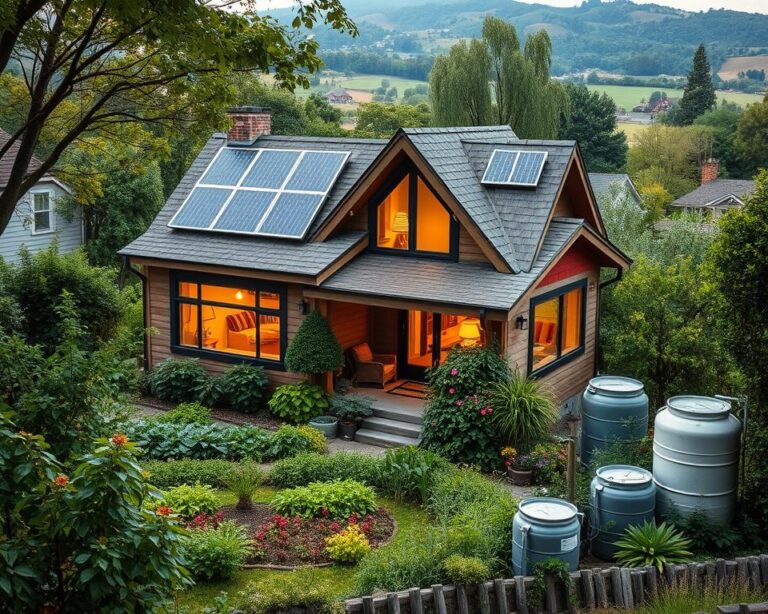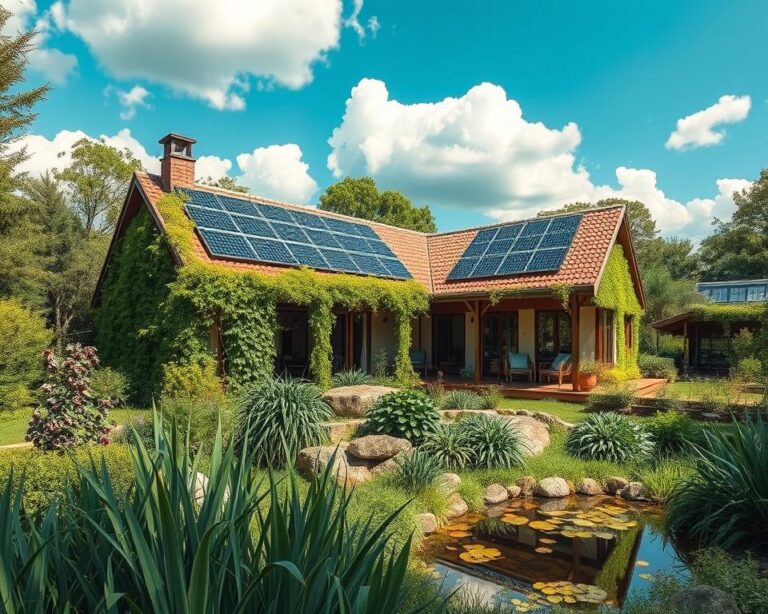

This guide is for U.S. homeowners who want to make their houses better. It helps make your home more comfortable, reduce energy costs, and increase its value over time.
This is for single-family home owners and landlords of small buildings. It offers smart ways to renovate and save energy. Learn how to assess your home, plan upgrades like efficient appliances and solar power, and deal with permits.
You’ll learn how to set clear goals, cut down on energy use, and plan upgrades that save money. We use advice from the U.S. Department of Energy and EPA to make your home healthier.
Let’s start by checking your current home systems. We’ll show you how to pick what to fix up first and share the best ways to save energy and money.
Key Takeaways
- Home retrofit planning provides a step-by-step framework for energy efficiency upgrades.
- Sustainable renovation ideas include insulation, efficient appliances, and solar solutions.
- Following DOE and EPA guidance ensures safe, effective residential energy retrofitting.
- Well-planned retrofits can lower utility bills and improve indoor comfort.
- Next steps: evaluate systems, set goals, and create a budget and timeline.
Understanding Home Retrofits
Retrofits make a house perform better, be safer, more comfortable, and last longer. They include actions like sealing leaks and updating HVAC systems. These changes don’t mean tearing down the whole house.
Definition of Home Retrofit
Home retrofits focus on boosting a home’s energy efficiency and cutting down emissions. They involve adding insulation, updating heating systems, and install LED lights. Unlike regular renovations, they put importance on how the house performs and lasts.
Importance of Home Retrofit
Many homes in the U.S. are not efficient when it comes to energy. Retrofitting these homes reduces energy use, cuts costs, and makes them more comfortable. Government incentives like tax credits and rebates help make these updates more attainable.
Retrofitting also helps the environment by lowering a home’s carbon footprint. Making homes eco-friendly not only saves money but also adds value by making them more resilient. These smart updates contribute to achieving national climate goals, ensuring safer and cozier homes for families.
Benefits of Home Retrofit
Home retrofit projects offer big benefits for homeowners. They range from simple tasks like air sealing to changing entire systems. These upgrades make daily life better, reduce energy use, and save money over time.
Energy Efficiency
Adding better insulation, sealing leaks, and using high-efficiency HVAC and Energy Star appliances reduces the need for heating and cooling. Heat-pump tech and smart thermostats make systems run only when needed. Measuring energy use before and after these changes shows how much they help.
Cost Savings
Though they can be pricey at first, these upgrades will eventually cost less through smaller utility bills, rebates, and tax breaks like the clean energy credits. Insulation and sealing usually pay for themselves in 3 to 10 years. The time it takes for rooftop solar to pay off depends on several factors. People looking for cost-effective improvements should look at payback times and local rebates.
Enhanced Comfort
These retrofits can make homes feel more comfortable by reducing drafts and keeping temperatures steady. Better insulation and a good ventilation system help control humidity and air quality. They also cut down on noise and create a more comfortable environment all year.
Environmental Impact
Using less electricity and natural gas means putting out less greenhouse gas. Generating your own solar power decreases the need for fossil fuels. You can measure the good these steps do by the amount of CO2 they stop from reaching the air. These efforts help us meet local and national goals for cutting emissions.
Other pluses include a higher home value, more interest from buyers, less upkeep for new systems, and staying safe during bad weather. You can check how well these changes are working by looking at your utility bills, how much less energy you’re using, and the emissions you’re avoiding.
| Retrofit Measure | Typical Payback | Primary Benefit | Metric to Track |
|---|---|---|---|
| Insulation & Air Sealing | 3–10 years | Lower heating/cooling load | % reduction in EUI |
| High-Efficiency HVAC (Heat Pump) | 5–12 years | Efficient heating and cooling | Monthly energy cost comparison |
| Energy Star Appliances | 2–8 years | Reduced appliance energy use | kWh saved per year |
| Rooftop Solar PV | 6–15 years (varies) | On-site clean generation | kWh produced and CO2 avoided |
| Smart Controls & Thermostats | 1–4 years | Optimized system operation | Runtime reduction and cost savings |
Assessing Your Home’s Needs
Start by looking at your home through a detailed lens for energy upgrade planning. Gather a year’s worth of utility bills. Note any issues like drafty rooms or moisture problems. Many utilities offer tools to track your energy use over the year.
Evaluating Current Systems
Start with diagnostic tests to find hidden problems. A blower-door test can show how much air leaks out of your home. Thermal imaging spots where your insulation is lacking. Check if your HVAC system is the right size and efficiency.
Look at your water heater, windows, and insulation in your attic and walls. Check your lights, electrical panel, and for any mold or air quality issues. These steps show what to fix first in your home.
Next, focus on your equipment’s specifics. Record the efficiency of your furnace and water heater. Note what kind of lights you use and their brightness. Make a list of these issues, put them in order of priority for fixing your home.
Identifying Upgrade Opportunities
Divide upgrade options into affordable, high-impact ones and those that are pricier but worth it in the long run. Fast fixes include air sealing and switching to LED lights. These changes quickly pay for themselves.
For the long haul, think insulation, new windows, and solar panels. These are part of green building practices. They reduce pollution and lower energy bills for many years.
Choose projects based on quick payback, comfort improvement, less pollution, and incentives. Consider health needs, if you can get to things easily, and local discounts like ENERGY STAR or Home Energy Score programs.
| Measure | Typical Cost Range | Payback (Years) | Primary Benefit |
|---|---|---|---|
| Air sealing and weatherstripping | $200–$1,500 | 1–4 | Reduced drafts, lower heating/cooling bills |
| LED lighting and controls | $100–$800 | 0.5–3 | Energy savings, improved light quality |
| Insulation (attic/walls) | $1,000–$8,000 | 3–10 | Higher comfort, lower energy use |
| Window replacement | $3,000–$12,000 | 6–20 | Reduced heat loss, noise reduction |
| Heat-pump HVAC | $5,000–$15,000 | 4–12 | Efficient heating and cooling, lower emissions |
| Heat-pump water heater | $1,200–$4,000 | 2–7 | Lower water heating cost, fewer emissions |
| Rooftop solar array | $10,000–$30,000 | 6–15 | On-site renewable energy, bill reductions |
Rank each improvement by its cost, comfort improvement, pollution cut, and if there’s a discount. This helps plan home improvements focused on eco-friendly choices. For more help, talk to local energy experts or programs for turning plans into green renovations.
Developing a Retrofit Plan
A clear retrofit plan is key to turning your goals into action. To start, set measurable targets and be realistic. Decide if your plan will cover the entire house or just one system. Align your project with incentives, resale goals, and personal comfort.
Setting Goals
Begin with set performance aims. Target a reduction in energy use, better temperature control, or improved air quality. You might aim for an ENERGY STAR Certified Home or local green certifications.
Determine your main goals. Upgrades like improving your home’s envelope could bring the best returns. These can pave the way for future changes.
Budgeting for Retrofits
Combine quotes from local contractors with national estimates. For example, attic insulation might cost $1,500–$4,000. Heat-pump HVAC systems could be $5,000–$20,000. Solar PV panels may range from $15,000–$30,000 before incentives. Always include a 10–20% buffer for unexpected costs.
Look into financing options. These might include personal savings, home equity loans, or energy-efficient mortgages. Don’t forget about PACE financing, if available, and various tax credits. These can significantly alter the financial outcome of your project.
Timeline and Project Management
Develop a practical timeline. Small projects could take 1–2 weeks. Mid-size projects, 2–8 weeks. A full home retrofit could span months. It’s best handled in phases.
Order your upgrades wisely. Begin with air sealing and insulation. Next, focus on windows. After tightening your home, adjust HVAC systems and consider renewables. This sequence prevents system oversizing and enhances energy efficiency.
Organize your project carefully. Use a detailed work plan and get several bids. Address critical tasks like structural repairs first. Plan for any necessary displacement during major upgrades.
Define and track key performance indicators (KPIs). Monitor your energy use and blower-door tests. Review these results to confirm your project’s success and guide future renovations.
Selecting Retrofit Options
Making your home better starts with smart choices. These choices should save money and make your home more comfortable. This guide helps you pick options that are smart for your wallet, last a long time, and are easy to take care of. And all these options are good for the planet too.
Energy-Efficient Appliances
Pick appliances with the ENERGY STAR label like refrigerators, dishwashers, and washing machines. They use less electricity but work just as well. For heating and air, go for units with variable-speed compressors and ENERGY STAR heat pumps. Choose heat-pump water heaters from brands like Rheem, A.O. Smith, or Stiebel Eltron to save on fuel and money over time.
Adding smart controls can also make a difference. Things like Nest and ecobee thermostats, zones for heating and cooling, and energy monitors help you use less energy. They make it easier to choose smaller systems when you upgrade your whole house.
Insulation Improvements
Begin by sealing leaks before adding more insulation. For the attic, use insulation that meets the DOE’s recommended R-values for your area. If you live in a cold place, that means R49–R60. For walls, consider using blown-in cellulose or spray foam if it’s allowed and works with your home’s design.
Choose reliable brands like Owens Corning or Johns Manville for batts and rolls. Remember to insulate ducts that run through places without heating or cooling. And for windows, look into upgrades with low-e coatings and double or triple glazing from Andersen, Pella, or Marvin. It cuts down on heat loss and keeps your home comfy.
Solar Energy Solutions
Solar panels work best after you’ve made your home more efficient. Decide on the size based on your past energy use, where your roof faces, and any shade. Consider adding a battery like Tesla Powerwall or LG Chem to manage energy use and for backup power.
Solar water heaters can also reduce your energy use. Be sure to look into local incentives and federal tax credits to save money. Remember, solar panels last 25–30 years. So, think about warranties and taking care of them.
When adding solar, first improve your insulation and get energy-efficient appliances. This means you’ll need a smaller solar system, saving you money. Also, think about ways to use energy smarter, like managing electric vehicle charging and shifting when you use energy to get the most from solar and storage.
Finding Professionals
When planning a home retrofit, success depends on the right team. This guide shows when to seek experts, how to choose them, and what to be careful of when hiring. By following these steps, you reduce risks and keep your project on time.

When to Hire a Contractor
Leave the complex work like mechanics, structure, electrics, and roofing to licensed pros. Certified auditors are needed for blower-door tests and energy reviews. However, simple tasks like adding weatherstripping or changing to LED bulbs are great DIY projects.
Selecting the Right Specialists
It’s important to pick specialists who know how to handle your retrofit’s needs. Energy auditors and HERS raters bring vital diagnostic skills. HVAC experts, solar installers, and those skilled in insulation or windows have specific abilities. Contractors with BPI certification or green building experience handle broader upgrades well.
It’s wise to get three bids and compare them closely. Look at each contractor’s past work to ensure it’s similar to what you need. Make sure they can hit your performance goals and grasp home retrofit concepts and eco-friendly options.
Checking Credentials and References
Always check for licenses, insurance, and certifications like BPI or RESNET. Look at their ratings on the Better Business Bureau and check with state license boards. Ask for references from similar projects and, if possible, see their work firsthand.
Your contract should detail the work, materials, guarantees, and a payment plan linked to progress. Keep some payment until everything is completed to your satisfaction. Make sure your contractor knows all about local rules and permit requirements.
Be cautious of very low bids, missing insurance or references, or if they want a big deposit upfront. Use local utilities or state lists to find qualified retrofit contractors.
| Specialist | When to Hire | Key Credential | What to Request |
|---|---|---|---|
| Energy Auditor | Before major upgrades or for diagnostics | BPI or RESNET credential | Detailed audit report and improvement plan |
| HERS Rater | When targeting performance ratings or incentives | RESNET HERS certification | HERS score documentation and testing schedule |
| HVAC Contractor | Heat pump installs or major HVAC changes | Manufacturer training and local license | System sizing, efficiency estimates, and maintenance plan |
| Solar Installer | When adding photovoltaic or solar thermal | NABCEP certification | System design, interconnection plan, and permit list |
| Insulation/Window Installer | When improving envelope performance | Local contractor license and performance references | Material specs, installation method, and expected gains |
| Home Performance Contractor | For whole-house retrofit coordination | BPI certification | Integrated scope, testing plan, and warranties |
Navigating Permits and Regulations
Before you start digging, it’s smart to understand the permit process. Knowing the steps can save time and money. This guide is all about the rules for home improvement plans.
Building rules often match the International Residential Code (IRC) but can change based on location. Replacing HVAC, making structural updates, electrical changes, or new windows usually require permits. But smaller tasks, like painting inside, typically don’t.
Understanding local codes
It’s important to look into your town’s building codes early on. You can find what requires a permit on municipal websites. They also share how to submit these permits, their costs, and tips for energy-saving improvements.
Obtaining necessary permits
First, get your project plans or a detailed description ready. Usually, contractors will handle the permit paperwork for you. Some places speed up the review or cut fees for projects that save energy.
Inspections are key to keeping the project on track. They happen at major project stages, including rough-in and final. Solar projects might need more forms and inspections. It’s crucial for contractors to arrange these inspections to prevent delays.
Incentives often ask for permit approval or certified installers. Lists of qualified products are common for tax credits and rebates. Keeping track of your permits helps tap into these benefits and ensures your project meets local rules.
Historic homes and projects improving access may get extra scrutiny. It’s wise to talk to preservation or accessibility agencies early. This advice can save you from having to redo work and helps maintain the home’s original look.
Check out resources like your local building department’s website, state energy office advice, and EnergySavers.gov. These help blend green renovation ideas with the rules and make getting permits easier.
Implementation Strategies
Start with a clear plan that balances cost, comfort, and savings over time. Homeowners must consider pros and cons. A step-by-step approach reduces costs and interrupts less. This makes better home improvements affordable without losing quality.

DIY vs. Professional Help
Some projects are perfect for those who like to do it themselves. Sealing doors, adding insulation in the attic safely, switching to LED lights, and setting up programmable thermostats are smart moves. They don’t need much skill but can cut down your energy bills fast. These actions are key for cost-saving upgrades at home.
Certain tasks need experts, though. Putting insulation in walls, fixing HVAC systems, doing electrical work, and setting up solar panels require licensed professionals. This makes sure your work is safe and meets all rules. Choosing a contractor keeps warranties valid and makes sure everything works as it should.
DIY can cut costs but may risk warranties and the work might not be right. Homeowners should think about their time, skills, and risks. They must decide between doing it themselves or hiring professionals carefully.
Phased Approach to Retrofitting
A step-by-step method organizes the work to save money now and in the future. Usually, you start with checking your home, then seal leaks and add insulation. Next, you update heating, cooling, and water systems. After that, you move to better appliances and lights. You consider renewable energy last after improving other areas.
This approach lowers initial expenses and lets you use the savings for future updates. It also avoids having to move out for long during major work. Planning big jobs during tenant changes or better weather helps too.
Checking your progress ensures everything goes right. Tests for air leaks, duct issues, and official approvals keep quality high. Contracts that link payments to results help both homeowners and contractors focus on goals. Working together smoothly prevents delays. Combining tasks when possible, having one contact person, and clear talks help avoid mix-ups. Good planning leads to better work and outcomes.
| Budget Tier | Primary Measures | Expected Disruption | Typical Payback |
|---|---|---|---|
| Low-budget starter retrofit | Air sealing, LED lighting, smart thermostat | Minimal; single-day tasks | 1–3 years |
| Mid-range upgrade | Attic insulation, window weatherization, heat-pump water heater | Moderate; rooms may be out of service short-term | 3–7 years |
| Comprehensive retrofit | Full envelope upgrades, heat-pump HVAC, solar plus storage | Significant; possible temporary relocation | 7–15 years |
For picking measures and planning their order, resources from Natural Resources Canada for major energy upgrades are handy alongside U.S. advice. Homeowners can check out these materials through this retrofitting guide. It helps refine choices and confirm good practices for their properties.
Monitoring and Maintenance Post-Retrofit
After a retrofit, it’s crucial to keep an eye on things. Homeowners should compare their energy use before and after the retrofit. They should look at their energy bills from the last year. Monthly checks help them see if they are saving energy. Tools like Sense or Emporia, along with smart thermostats, make it easy. They provide real-time data about how much energy the house is using.
Checking how well the retrofit worked is very important. Doing another blower-door test and checking the HVAC system are ways to do this. Also, monitoring how much energy solar panels are making is key. Homeowners should check if they are saving as much energy and money as planned. Doing regular upkeep, like HVAC check-ups and making sure insulation is good, keeps things running well.
Keeping good records makes managing warranties and services easier. Put all documents and schedules in one place. Checking solar inverters yearly and keeping things clean helps. Also, doing an energy audit every few years can show if more improvements are needed. Thinking long-term helps in reducing the carbon footprint and increasing the house’s value.
It’s smart to plan for future updates too. New technologies, like better heat pumps and battery storage, keep coming. Homeowners should get ready for these changes now. This might include making sure their electrical system can handle it. Looking out for new financial help or local programs is wise. Using the money saved to make more updates starts a cycle of improvement.
FAQ
What is a home retrofit and how does it differ from a renovation?
Who should consider a home retrofit?
What are the first steps to assess a home’s retrofit needs?
How should homeowners set goals and prioritize retrofit measures?
What budget ranges and financing options are common for retrofits?
FAQ
What is a home retrofit and how does it differ from a renovation?
A home retrofit updates a building to make it work better, safer, and more energy-efficient. It’s different from a renovation. Renovations focus on looks and layout, while retrofits aim to save energy and improve air quality. Things like better insulation, new windows, and solar panels are common in retrofits.
Who should consider a home retrofit?
If you own a home, especially an older one, and want it to be more eco-friendly, think about a retrofit. It’s great for lowering energy bills, making your home more comfortable, and cutting down on pollution. It also might increase your home’s value.
What are the first steps to assess a home’s retrofit needs?
Start by looking closely at your home and checking your utility bills for the past year. You should get a professional to test for leaks and check your heating and cooling systems. Find easy fixes like sealing drafts and switching to LED lights. Then, think about bigger updates like better insulation or solar panels.
How should homeowners set goals and prioritize retrofit measures?
First, decide what you want to achieve, like using less energy or keeping room temperatures steady. Rank updates by what gives the most benefit for the cost and what can reduce pollution. Start with making your home air-tight and well-insulated before upgrading heating or adding solar panels.
What budget ranges and financing options are common for retrofits?
The cost of retrofits can vary a lot. Insulating your attic might cost
FAQ
What is a home retrofit and how does it differ from a renovation?
A home retrofit updates a building to make it work better, safer, and more energy-efficient. It’s different from a renovation. Renovations focus on looks and layout, while retrofits aim to save energy and improve air quality. Things like better insulation, new windows, and solar panels are common in retrofits.
Who should consider a home retrofit?
If you own a home, especially an older one, and want it to be more eco-friendly, think about a retrofit. It’s great for lowering energy bills, making your home more comfortable, and cutting down on pollution. It also might increase your home’s value.
What are the first steps to assess a home’s retrofit needs?
Start by looking closely at your home and checking your utility bills for the past year. You should get a professional to test for leaks and check your heating and cooling systems. Find easy fixes like sealing drafts and switching to LED lights. Then, think about bigger updates like better insulation or solar panels.
How should homeowners set goals and prioritize retrofit measures?
First, decide what you want to achieve, like using less energy or keeping room temperatures steady. Rank updates by what gives the most benefit for the cost and what can reduce pollution. Start with making your home air-tight and well-insulated before upgrading heating or adding solar panels.
What budget ranges and financing options are common for retrofits?
The cost of retrofits can vary a lot. Insulating your attic might cost $1,500 to $4,000. New heating systems can be $5,000 to $20,000. Solar panels usually cost $15,000 to $30,000 before any discounts. Always plan for unexpected costs. There are many ways to pay, including loans, special mortgages, and government rebates that can help.
When is it appropriate to hire a professional versus doing DIY work?
You can do simple things yourself like installing new lights or sealing windows. But for big jobs like replacing heating systems or adding solar panels, it’s best to hire experts. They make sure everything is safe and meets building codes. This also helps you keep warranties and get accurate tests on how well the upgrades work.
How do homeowners find and vet qualified contractors for retrofit work?
Get several detailed bids from contractors and check their past work and references. Make sure they have the right licenses and insurance. Look up their ratings and ask if they are certified by reputable groups. Always use a written contract that outlines every part of the job and holding back final payment until everything is tested and works right.
Which permits and regulations typically apply to retrofit projects?
You’ll often need permits for big changes to your home’s structure or systems. Your local building department will have the rules. Solar projects might need special paperwork with your utility company. Always talk to your building department early to make sure you follow all the rules and can get any rebates.
What sequencing makes the most sense for implementing retrofit measures?
A good plan is to first check how your home uses energy, then seal it up and add insulation. Next, update your heating and cooling. Then, think about efficient appliances and lights. Last, look into adding solar power. This way, you can reduce costs and bother over time while starting to save energy quickly.
How can homeowners track and verify energy savings after a retrofit?
Compare your utility bills from before and after the retrofit to see how much you’re saving. Use devices or smart thermostats that show your energy use in real-time. After the updates, have your home tested again to see if you’re reaching your goals. Keep checking every few years to make sure everything still works well.
What maintenance is required to preserve retrofit benefits over time?
Keep your heating and cooling system tuned up, change filters regularly, and check your attic and around windows for any leaks. Take care of your solar equipment as the maker suggests. Keep all your home improvement records together and follow any service advice to keep things working right.
Which brands and standards should homeowners consider during planning?
Look for appliances that save energy and follow U.S. Department of Energy guidelines. For thermostats, Nest and ecobee are good picks. Rheem and A.O. Smith make efficient water heaters. Tesla and LG are top choices for battery storage. Choose high-quality windows from companies like Andersen, Pella, or Marvin. Always hire certified professionals for the best results.
How do incentives and tax credits affect retrofit decisions?
Money back from the government or special deals can make retrofits more affordable. Some offers need you to use certain equipment or installers. Always check what discounts you can get before starting your project. This helps you budget better and makes sure you don’t miss out on savings.
What are realistic payback timelines for common retrofit measures?
How quickly you get your money back depends on what you update and where you live. Sealing leaks and adding insulation can pay off in 3 to 10 years. New heating and cooling systems might take a few years to show savings, especially if energy costs go up or down. Solar panels might take 5 to 15 years to start saving you money, but it varies by location.
How can retrofits contribute to reducing a household’s carbon footprint?
By making your home use less energy and switching to electric systems and solar power, you can greatly lower pollution. Keeping track of how much energy and gas you save shows how much CO2 you’re avoiding. Upgrading your home’s shell, using efficient devices, and generating your own power makes a big difference in reducing harmful emissions.
,500 to ,000. New heating systems can be ,000 to ,000. Solar panels usually cost ,000 to ,000 before any discounts. Always plan for unexpected costs. There are many ways to pay, including loans, special mortgages, and government rebates that can help.
When is it appropriate to hire a professional versus doing DIY work?
You can do simple things yourself like installing new lights or sealing windows. But for big jobs like replacing heating systems or adding solar panels, it’s best to hire experts. They make sure everything is safe and meets building codes. This also helps you keep warranties and get accurate tests on how well the upgrades work.
How do homeowners find and vet qualified contractors for retrofit work?
Get several detailed bids from contractors and check their past work and references. Make sure they have the right licenses and insurance. Look up their ratings and ask if they are certified by reputable groups. Always use a written contract that outlines every part of the job and holding back final payment until everything is tested and works right.
Which permits and regulations typically apply to retrofit projects?
You’ll often need permits for big changes to your home’s structure or systems. Your local building department will have the rules. Solar projects might need special paperwork with your utility company. Always talk to your building department early to make sure you follow all the rules and can get any rebates.
What sequencing makes the most sense for implementing retrofit measures?
A good plan is to first check how your home uses energy, then seal it up and add insulation. Next, update your heating and cooling. Then, think about efficient appliances and lights. Last, look into adding solar power. This way, you can reduce costs and bother over time while starting to save energy quickly.
How can homeowners track and verify energy savings after a retrofit?
Compare your utility bills from before and after the retrofit to see how much you’re saving. Use devices or smart thermostats that show your energy use in real-time. After the updates, have your home tested again to see if you’re reaching your goals. Keep checking every few years to make sure everything still works well.
What maintenance is required to preserve retrofit benefits over time?
Keep your heating and cooling system tuned up, change filters regularly, and check your attic and around windows for any leaks. Take care of your solar equipment as the maker suggests. Keep all your home improvement records together and follow any service advice to keep things working right.
Which brands and standards should homeowners consider during planning?
Look for appliances that save energy and follow U.S. Department of Energy guidelines. For thermostats, Nest and ecobee are good picks. Rheem and A.O. Smith make efficient water heaters. Tesla and LG are top choices for battery storage. Choose high-quality windows from companies like Andersen, Pella, or Marvin. Always hire certified professionals for the best results.
How do incentives and tax credits affect retrofit decisions?
Money back from the government or special deals can make retrofits more affordable. Some offers need you to use certain equipment or installers. Always check what discounts you can get before starting your project. This helps you budget better and makes sure you don’t miss out on savings.
What are realistic payback timelines for common retrofit measures?
How quickly you get your money back depends on what you update and where you live. Sealing leaks and adding insulation can pay off in 3 to 10 years. New heating and cooling systems might take a few years to show savings, especially if energy costs go up or down. Solar panels might take 5 to 15 years to start saving you money, but it varies by location.
How can retrofits contribute to reducing a household’s carbon footprint?
By making your home use less energy and switching to electric systems and solar power, you can greatly lower pollution. Keeping track of how much energy and gas you save shows how much CO2 you’re avoiding. Upgrading your home’s shell, using efficient devices, and generating your own power makes a big difference in reducing harmful emissions.