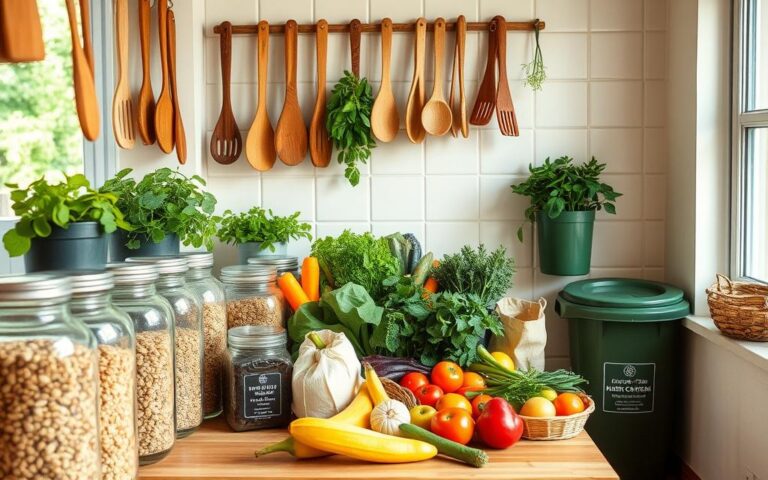

Welcome to the world of composting for beginners! In this guide, you’ll learn how to turn kitchen scraps and yard waste into rich compost. Knowing how to start is key for less trash and more fertile garden soil.
We’ll cover composting basics, its environmental benefits, and how to fit it into your life. Get ready to help your garden flourish and make the Earth healthier.
Key Takeaways
- Composting is a sustainable way to recycle organic waste.
- Understanding compost materials is essential for beginners.
- There are various methods to start composting effectively.
- Composting benefits both your garden and the environment.
- Monitor your composting process for best results.
- Even small spaces can accommodate composting solutions.
What is Composting and Why It Matters
Composting turns organic matter into fertilizer that’s great for the environment and gardens. It reduces waste and benefits ecological health. Through it, kitchen scraps and yard waste break down. This helps your garden grow better.
Understanding Composting Basics
Organic materials break down into compost with help from microbes. Knowing composting basics lets you see how different materials make great compost. It’s about mixing things like fruit peels with dried leaves to get the right mix. This balance makes composting work well, breaking down waste smoothly.
Benefits of Composting for the Environment
Composting’s good for more than just gardens. It cuts down on landfill waste, reducing harmful methane emissions. Compost makes soil richer and helps the planet. Using compost shows you care about keeping the earth healthy.
The Impact on Your Garden
Compost makes your garden healthier. It improves soil, helps it hold water, and supports good bugs. Plants in composted soil are stronger and fight off diseases. Your garden will grow more with vibrant flowers and more produce, showing compost’s value.
Getting Started with Composting
Starting your composting journey transforms waste into a valuable resource for your garden. Begin by assessing your available space and picking the best composting method. Whether you have a backyard or an apartment, there’s a method that will fit your space.
Assessing Your Space for Composting
First, think about where you’ll compost. This decision will guide your choices and help your composting succeed. You have options:
- A backyard for larger compost bins or piles.
- A balcony for smaller bins or worm composting.
- Indoor options with compact systems for limited space.
Choosing the Right Composting Method
Choosing the right composting method is key. Here are your options:
| Composting Method | Best For | Ease of Use |
|---|---|---|
| Traditional Compost Bin | Backyard composting | Moderate |
| Tumbling Composter | Small spaces, easy aeration | Easy |
| Vermicomposting | Indoor composting | Moderate |
Setting Up Your Compost Bin
After choosing a composting method, setting up your compost bin correctly is crucial. Your bin needs easy access, good air flow, and a balance of green and brown materials. Follow these steps and you’ll be on your way to producing rich compost.
What to Compost: Materials You Need
Understanding what to compost is key for making great compost. A successful pile needs the right mix of materials. These fall into two categories: green and brown. Knowing their roles will help you start composting.
Green Materials: What You Can Use
Green materials are full of nitrogen and start the breakdown process. Here are effective green materials:
- Fruit scraps
- Vegetable peels
- Coffee grounds
- Grass clippings
- Eggshells
These materials speed up microbial activity and heat your pile. Aim for a good mix for best results.
Brown Materials: The Essentials
Brown materials offer vital carbon. They work well with green materials. Use these:
- Dried leaves
- Cardboard
- Shredded paper
- Hay or straw
- Wood chips
This balance is crucial, as it helps microorganisms break down matter.
What to Avoid in Compost
When choosing materials, some items shouldn’t be included. Avoid adding:
- Meat and fish scraps
- Dairy products
- Greasy foods
- Diseased plants
- Weeds with seeds
These items can attract pests, cause bad smells, and bring disease. Avoiding them will make your composting journey better.
Maintaining Your Compost Heap
Keeping your compost heap in good shape is key for breaking down material efficiently. Follow some simple composting tips to keep your pile working well. This will help tackle any problems as they pop up.
Monitoring Moisture Levels
Moisture is very important for your compost. It should feel like a damp sponge. Too much water can cause smells and attract pests. Feel your compost to check if it’s too wet or dry. Then, add water or dry materials as needed.
Turning Your Compost Regularly
Turning your compost helps air get in, which makes it break down faster. It also gets rid of bad smells and ensures everything breaks down evenly. Try to turn it every few weeks with a fork. This mixes everything up and spreads out the heat and moisture.
Troubleshooting Common Problems
Knowing the usual compost problems helps you keep your pile healthy. Bad smells or pests might mean there’s too much moisture or wrong items in your compost. A slow breaking down process might need more nitrogen-rich materials. Fix these issues by managing moisture and mixing the right green and brown materials.

How Long Does Composting Take?
Understanding composting time is key for eco-friendly folks. It varies, taking a few months to years. Knowing this helps manage your expectations.
Understanding the Composting Process Timeline
How long composting takes can affect your gardening projects. Many factors play a role in this duration:
- Material size: Smaller pieces break down faster. Larger ones take more time.
- Temperature: Warm conditions speed up the process. Composting is quicker in summer than winter.
- Moisture content: The right moisture level boosts microbes, affecting composting time.
- Nitrogen and carbon balance: A balanced mix of green and brown materials ensures efficient composting.
Factors Affecting Composting Speed
Many factors affect composting speed. Here are key ones:
| Factor | Effect on Composting Speed |
|---|---|
| Material Size | Smaller pieces decompose faster, cutting down compost time. |
| Temperature | High temperatures fast-track decomposition, for quicker compost. |
| Moisture Levels | Correct moisture encourages microbes, speeding up the process. |
| Nitrogen to Carbon Ratio | A proper mix speeds up decomposition. Imbalances slow it down. |
Advanced Composting Techniques
If you want to get better at composting, try advanced steps. Techniques like vermicomposting and bokashi can speed things up. They also help your compost do more for your garden.
Using Worms in Composting: Vermicomposting
Vermicomposting uses worms to turn material into rich compost. It’s great for small spaces, perfect for city dwellers. Worms make the process faster and improve your soil with their castings.
Bokashi Composting for Quick Results
Bokashi composting quickly ferments your food leftovers, without bad smells. It uses special microbes to break down even meat and dairy. You get nutrient-rich compost that’s great for your garden.
Tumbling Composters: Pros and Cons
Tumbling composters make composting faster by letting air in. They make mixing easy, which helps break down material quicker. But, they need you to keep an eye on them more than regular bins.

Composting in Small Spaces
Composting in small places is both doable and rewarding. You don’t need a big yard to start composting. Urban dwellers have many methods to choose from, like compact compost bins and indoor techniques.
Options for Balcony or Patio Composting
If you have a small outdoor space, composting on a balcony or patio works well. There are special compact bins made for small areas. They come with a lid to keep smells in and bugs out, and they let air flow through to help composting.
Indoor Composting Ideas
Indoor composting offers great solutions for city residents. You can try bokashi composting or a worm bin to fit into tiny spaces. Bokashi uses a special mix to quickly ferment your kitchen scraps. Worm bins use red wigglers to decompose your food waste into valuable compost.
Creative Containers for Urban Composting
Being creative is key in city composting. You can turn many containers into compost bins. Think about using old bins, wooden crates, or barrels. Picking the right container lets you save space and adds beauty to your home.
Seasonal Composting Tips
Changing your compost methods with the seasons keeps your pile healthy. Winter and summer require different approaches for good composting. These tips will make your compost better all year.
Composting in Winter Months
Winter brings challenges to composters. The cold can slow decomposition, but you can keep things moving. Wrap your bin in straw, leaves, or a tarp to keep it warm. Add dried leaves or shredded paper to help keep the warmth. Also, watching the moisture ensures your compost doesn’t get too wet or dry.
Summer Composting Best Practices
In summer, it’s crucial to keep the compost moist but not too wet. Turn the compost to let air in, which helps reduce smell and helps microbes work faster. Add green materials like grass clippings and kitchen scraps to speed up the process.

| Season | Key Considerations | Materials to Use |
|---|---|---|
| Winter | Insulate the bin and maintain heat | High-carbon materials like dried leaves |
| Summer | Monitor moisture and turn regularly | Green materials such as grass clippings |
Using Compost in Your Garden
Adding compost to your garden can make your soil and plants much healthier. It’s vital to know when and how to do it right. Spotting ready-to-use compost is the first key step.
When to Use Finished Compost
Compost is good to go when it’s dark, crumbly, and smells like earth. This shows it’s full of nutrients. Using it at this point feeds your plants important minerals and organic stuff they need to grow. The best times to put it in your garden are in early spring or late fall. This helps your plants as they start growing or get ready for winter.
How to Apply Compost to Your Plants
There are different ways to use compost, depending on what your garden needs. Here are some good methods:
- Top Dressing: Spread a layer of ready compost on the ground around your plants.
- Mixing into Soil: Mix compost into the dirt when you’re getting garden beds ready. This enriches the whole area where you’ll plant.
- Potting Mixes: Add compost to potting soil for plants in containers. This gives them a steady supply of nutrients.
These ways help plants grow better and also keep gardening eco-friendly.
Composting for Soil Health
Compost does more than just feed plants. It also helps soil hold water better and improves its structure. Regularly adding compost to your garden helps good bugs and microorganisms thrive. These are super important for healthy soil. Making composting a habit leads to a stronger garden that deals better with bugs and sickness.
Common Composting Mistakes to Avoid
Composting is rewarding but comes with challenges for newbies. Knowing what not to do can make your compost thrive. Here’s how to avoid common mistakes and succeed.
Misunderstanding Carbon-Nitrogen Ratios
Getting the right mix of browns (carbon) and greens (nitrogen) is essential. Aim for more browns than greens, with a 30:1 ratio. A correct balance speeds up the composting process by helping microbes break down material.
Ignoring Temperature Changes
Temperature tells a lot about your compost’s health. If it’s too cold, you might need more nitrogen. Too hot might mean it needs air. Keep it between 130°F and 160°F for the best results.
Overlooking Odor Issues
Bad smells mean something’s off in your compost. It could be too wet or poorly balanced. Check moisture and mix well to fix any stink and keep your pile happy.
Resources for New Composters
Starting your composting journey is exciting. The right resources can greatly improve it. Whether you’re seeking comprehensive advice or wish to meet fellow compost enthusiasts, many resources are here to help.
Books and Guides on Composting
There are lots of great guides on composting. They cover everything from the basics to more advanced techniques. These books offer insights on managing your compost, balancing materials, and solving common problems. Recommended reads include:
- The Composting Handbook by Anne-Marie Nielson
- Let It Rot! by Stu Campbell
- Gardening When It Counts by Steve Solomon
Online Communities and Forums
Joining online communities is a great way to connect. You can share stories and get advice from experienced composters. These forums are perfect for asking questions, trading tips, and celebrating successes. Good places to start include:
- Reddit Composting Community
- Composting sub-forums on gardening websites
- Social media groups focused on sustainable gardening and community composting
Local Workshops and Classes
Local workshops and classes offer practical knowledge. Many places like community centers and botanical gardens hold courses on composting. These sessions provide:
- Demonstrations on starting a compost system
- Advice on selecting materials and methods
- Chances to meet other gardening fans
Celebrating Your Success in Composting
Starting your compost is an exciting step. Knowing when it’s ready is key. You’ll notice a rich, earthy smell and a crumbly texture. This means your organic waste has turned into compost, ready to help your garden thrive. Keep an eye out for these signs as you enjoy the fruits of your labor.
Sharing your composting journey is a great way to celebrate. Talk about it on social media or with local gardeners. This way, you can inspire others to start composting too. Sharing tips and successes helps spread the word about the benefits of turning scraps into soil booster.
Celebrating composting goes beyond just your achievements. It’s about building a community of garden lovers. By connecting, you all help each other grow and learn. You create a network committed to environmental care, using composting to change waste into something useful.
FAQ
What materials can I compost at home?
How do I start composting as a beginner?
What are some common mistakes to avoid when composting?
How long does it take for compost to be ready?
Can I compost indoors if I live in an apartment?
What should I avoid adding to my compost?
How can I maintain my compost pile?
What are some effective composting tips for beginners?
How can I use compost in my garden?
Practical Implementation Layer
This section was added to increase user value with clearer execution steps and measurable outcomes.
How to Apply This Guide
- Define your objective and success metric
- Apply recommendations in a controlled sequence
- Document results and refine weak steps
- Repeat with small iterative improvements
Common Execution Mistakes
- Applying multiple changes at once without measurement
- Skipping baseline and relying on assumptions
- Not adapting recommendations to local constraints
Content Quality Boost: 2026-03-05
Article Trust & Methodology
Author: Rosalie Clark
Editorial Review Date: 2026-03-05
Purpose: Deliver practical, user-first guidance with clear limitations and realistic implementation steps.
How this article was prepared
- Topic intent mapping based on common reader problems
- Step-by-step structure with measurable checkpoints
- Risk notes and scenario-based adjustments
- Readability review for mobile and desktop
Who this article is for
This content is for everyday readers who need practical decisions they can apply safely and consistently, not theoretical advice only.
Sources and validation approach
Recommendations are organized around established best-practice principles (measurement, controlled testing, and periodic review). Readers should adapt guidance to local regulations, climate, infrastructure, and budget constraints.
For editorial standards and correction requests, see Editorial Policy and contact contact@everydaytechfinance.com.
Final Implementation Notes
For best outcomes, avoid changing multiple variables at once. Build a small decision log, review results weekly, and keep only changes that improve measurable outcomes over time. Consistency and clarity are more important than intensity.