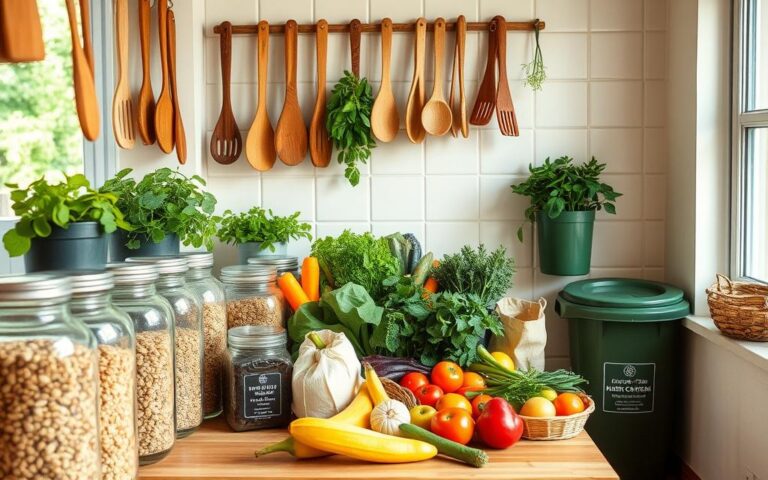

A child once asked why the kitchen trash smelled so bad. That question changed how we think. It made us see our daily choices as important and urgent. Starting Low-Waste Living at Home comes from simple moments like these. It’s an invite to adjust habits gently, without needing to change everything overnight.
This guide offers clear steps towards sustainability in every part of the home. It helps families and individuals cut down on waste, keep recyclables and organics out of landfills, and pick items that last longer. Readers will learn how to live sustainably in ways that don’t cost extra or even save money. These tips work for people renting or owning homes in the United States.
It sets out clear goals to work towards, like reducing trash volume or increasing composting. There are systems described for things like composting in the kitchen, adopting eco-friendly habits at home, getting involved in the community, and even looking into new innovations. It also talks about how to check your progress over time.
The focus is on making small, doable changes. Each part introduces systems for lasting success, featuring ideas for a zero waste lifestyle, eco-friendly living, and cutting down on garbage through easy, repeatable actions.
Key Takeaways
- Low-Waste Living at Home focuses on practical systems for everyday sustainability.
- Goals include reducing trash, diverting organics, and choosing reusable goods.
- The how-to guide offers cost-neutral strategies for renters and homeowners.
- Readers can set measurable targets and track progress for real results.
- Later sections cover kitchen composting, eco-friendly home practices, and community action.
Understanding Low-Waste Living Concepts
Low-waste living focuses on making practical choices to minimize waste upfront. It sees reduction, reuse, repair, composting, and recycling as achievable steps. Everyone can start somewhere on this journey, making it different from the strict zero waste lifestyle.
Definition of Low-Waste Living
Low-waste living means using less before worrying about waste disposal. It involves switching from single-use items to things that last longer. People repair instead of replace and plan meals to avoid trash, making zero waste less scary for busy families.
Importance of Sustainability
Understanding sustainability shows why making changes is important. Using less water and energy cuts costs and strengthens supply chains. Opting for safer cleaners and green options betters air quality and health. These green habits can save money and improve quality of life quickly.
Impact on the Environment
The EPA reports that the U.S. produces a lot of municipal waste yearly, causing methane emissions at landfills. This gas is bad for the environment. By composting, we lessen methane and enrich the soil. Small daily changes can greatly reduce environmental damage.
Future sections will share practical green living tips and sustainable habits. These suggestions will help reduce home waste and save money.
Creating a Low-Waste Kitchen
A low-waste kitchen starts with simple steps that match your daily activities. Making small changes can reduce food waste, save money, and help you stick to eco-friendly habits. This guide includes tips on composting, swapping products, and meal planning to minimize garbage.
Composting Food Scraps
There are several ways to compost at home, like using bins or worm bins. Some places even offer to pick up your compost. The EPA and local services give advice on doing it right.
To begin composting, pick a spot with good water runoff. Start your pile with a mix of brown and green materials. Keep a good balance for best results. Stirring your pile often helps, too. For a faster process, keep the pile hot and watch its temperature.
If you face issues, try fixing the moisture level or add more brown materials to stop smells. To keep away animals, you might want a bin with a lid or try worm composting indoors. Be sure not to compost meat, dairy, or oils at home.
Choosing Eco-Friendly Products
Changing out certain items can mean less trash and fewer single-use products. Things like reusable bags, beeswax wraps, and metal containers are great swaps. Also, using refillable soaps helps reduce plastic.
When shopping, look for products without BPA and eco-friendly labels. Pick foods with less packaging, or buy in bulk using your own containers. If available, use compostable items to lessen your impact.
Meal Planning for Waste Reduction
Plan your meals weekly and stick to a shopping list to avoid buying too much. Using frozen veggies can keep food fresh longer. Always use the oldest items in your kitchen first.
Cooking in batches is a time-saver and helps use up food. There are also apps to help track what you have and when it expires. These tips make it easier to plan meals wisely.
| Strategy | Practical Steps | Expected Benefit |
|---|---|---|
| Composting food scraps | Choose bin type, balance browns/greens, turn regularly, consult EPA/local extension | Diverts organics from landfill, creates garden soil, reduces odor and pests with proper care |
| Eco-friendly kitchen products | Use reusable bags, beeswax or silicone wraps, stainless containers, refill soap | Less single-use plastic, lower packaging waste, durable storage solutions |
| Meal planning for waste reduction | Plan weekly menus, use shopping lists, FIFO, batch cook, use freezer | Fewer spoiled items, lower grocery bills, streamlined shopping trips |
| Combined approach | Pair composting with product swaps and meal planning | Maximizes reducing household waste and builds a resilient low-waste kitchen |
Sustainable Bathroom Practices
Add sustainable practices to your bathroom easily without redoing it all. Making small changes can reduce plastic use, save water, and decrease your bills. These ideas are about using eco-friendly products and devices in your daily routine.
Zero-Waste Personal Care Items
Choosing zero-waste personal care items cuts down on single-use plastics. Try shampoo and conditioner bars from Ethique or Lush, they work well for various hair types. Instead of liquid body wash, use bar soap. It’s travel-friendly in metal tins.
Refillable deodorant and toothpaste tablets are good too; they reduce tube waste. Safety razors with changeable stainless blades can be used for years, saving money. Menstrual cups and cloth pads are great reusable options.
When you can, pick items in glass or metal. Look for bulk refill stations or brands with glass refills. Change to new items slowly, as you finish what you have. This keeps your routine smooth.
Water-Saving Devices
Water-saving devices can lower your bills and conserve water. Adding WaterSense-labeled low-flow showerheads cuts water use to about 1.8 to 2.0 gallons per minute. Older models use more than 2.5 gallons per minute.
Adding faucet aerators is inexpensive and reduces flow to 0.5 to 1.5 gallons per minute. This helps save water during shaving or brushing teeth. Dual-flush or low-flow toilets can save thousands of gallons of water yearly.
Simple changes in habits also make a big difference. Taking shorter showers and turning off the tap while brushing saves water. These actions save money and support eco-friendly living over time.
Recycling in the Bathroom
Recycling in the bathroom requires attention to avoid mistakes. Most curbside programs take clean plastic bottles, aluminum cans, and hard plastic containers. Empty aerosol cans can be recycled too, once they’re dry.
Some personal care packages are hard to recycle but there are solutions. TerraCycle’s mail-back programs take things like cosmetics tubes, pumps, and toothbrushes. Follow local guidelines on removing pumps and separating materials.
Always check local recycling rules to know what’s accepted. Rinse out containers well, flatten tubes if you can, and keep small metal tins together. These steps help make recycling in the bathroom more effective.
Smart Shopping Habits for Low-Waste Living
Smart shopping can make our daily runs eco-friendly. By choosing wisely at the store, we can create less trash at home. These tips help save money and cut down on packaging.
Bulk Shopping Benefits
Buying in bulk reduces single-use packaging and can lower your grocery bill. Look for rice, oats, nuts, and detergents in bulk aisles. Stores like Whole Foods and Trader Joe’s often stock these items.
Use jars or cloth bags for bulk items. Pre-weigh them to dodge unexpected costs. Keep your bulk buys fresh at home by using airtight containers. This keeps bugs away too.
Choosing Reusable Over Disposable
Choosing reusable items helps minimize trash and saves cash. Swap out for cloth napkins, washable dishcloths, and reusable mugs. Silicone bags and reusable filters are great too.
Opt for long-lasting materials like stainless steel or glass. They outlive disposables, are better for your wallet, and kinder to our planet.
Supporting Local Businesses
Shopping at farmers markets and small stores boosts local jobs and cuts down on transport pollution. These places often have unpackaged goods and refill stations for cleaners.
Supporting small shops helps make the supply chain more transparent. By asking for eco-friendly options, we encourage them to stock greener products. This strengthens our communities too.
Eco-Friendly Cleaning Solutions
You can keep your home clean and still be kind to the planet. You don’t need extra stuff or harmful chemicals. Learn how to clean smart with less waste.
DIY Cleaning Products
Make your own cleaners to save money and reduce waste. Mix water, white vinegar, and liquid castile soap for a simple all-purpose cleaner. This mix works great on counters and stovetops.
To clean glass, just mix water, white vinegar, and a bit of essential oil. For harder jobs like grout or ovens, use a baking soda paste. Wait, scrub, and see the difference.
Use hydrogen peroxide as a safe disinfectant for cutting boards. Always label your DIY cleaners and keep them away from kids. These tips cut down on plastic and are better for Earth.
Green Cleaning Brands to Consider
Want easier green cleaning? Try brands like Seventh Generation and Method for concentrated refills. Mrs. Meyer’s uses natural scents. Ecover even offers refill stations.
Choosing refillable products helps reduce plastic waste. Pick products with clear, safe ingredients to keep your home clean and green.
Minimalist Cleaning Supplies
Keep it simple: one cleaner, microfiber cloths, a brush, a mop, and bins. Microfiber cloths work wonders with less cleaner. A single bottle can replace many, saving you space.
This approach cuts down on chemicals and clutter. A few good tools can keep your cleaning routine quick and your home spotless.
| Goal | Example Product or Recipe | Why It Helps |
|---|---|---|
| All-purpose cleaning | 1 cup water + 1 cup white vinegar + 1 tsp castile soap | Replaces multiple cleaners; lowers packaging waste |
| Glass and mirrors | 2 cups water + 1/4 cup white vinegar + essential oil | Streak-free finish; avoids ammonia-based products |
| Disinfecting | 3% hydrogen peroxide in spray bottle | Safer disinfectant; breaks down to water and oxygen |
| Stain and grime | Baking soda paste (baking soda + water) | Abrasive cleaning without harsh chemicals |
| Brand choices | Seventh Generation, Method, Mrs. Meyer’s, Ecover | Refill options, transparent ingredients, lower waste |
| Essential tools | Microfiber cloths, scrub brush, reusable mop | Durable, washable gear that reduces disposables |
Reducing Waste in the Living Room

The living room is a special spot where families come together, have guests over, and unwind. Making small, mindful choices here can have a big positive impact on the environment. Adopting practical green living tips can help cut down waste and make what we already have last longer.
Repurposing Furniture
Instead of buying new, people can refresh a coffee table by sanding and refinishing it. Reupholstering a sofa with a durable, natural fabric can extend its life and reduce landfill waste. Bookcases can be turned into media consoles and drawers into storage benches, giving old furniture a new lease on life.
When working on these projects, it’s good to choose finishes with low levels of volatile organic compounds (VOCs) and wear protective gear like respirators. Simple fixes like tightening loose joints and swapping out old hardware can avoid the need to throw things away. These DIY furniture projects not only save money but also help conserve resources.
Choosing Second-Hand Decor
Thrift stores, consignment shops, online marketplaces like Facebook Marketplace and Craigslist, and local recycling centers offer great second-hand decor at a bargain. Always check the condition of items, like frame integrity, fabric seams, and how sturdy tables are. Be polite when you negotiate and consider cleaning or minor repair costs when deciding on a price.
Using a mild vinegar solution or steam cleaning can safely clean up your finds and remove common allergens. Choosing second-hand items means less demand for brand-new products and encourages a more sustainable, circular way of consuming goods.
Eco-Conscious Entertainment Choices
Fixing a streaming device or choosing a refurbished tablet can significantly cut down on electronic waste. Borrowing books, movies, and games from the library means buying less and needing less space to store stuff. Try to limit streaming to one device at a time to save on energy use.
Be thoughtful about buying physical media and opt for board games and toys made of sustainable materials. Making these eco-friendly choices in entertainment can help save essential resources, keeping our living rooms more sustainable, tidy, and green.
| Action | Practical Tip | Environmental Benefit |
|---|---|---|
| Refinish Wood Furniture | Sand, stain with low-VOC finish, replace hardware | Extends lifespan; reduces need for new materials |
| Reupholster Seating | Choose durable natural fabrics; hire local upholsterer | Prevents landfill waste; supports local trades |
| Buy Second-Hand Decor | Inspect condition; sanitize before use | Reduces manufacturing demand; saves money |
| Repair or Refurbish Electronics | Use certified technicians or buy refurbished devices | Reduces e-waste; conserves resources |
| Use Library Resources | Borrow books, movies, and games regularly | Minimizes purchases; promotes sharing economy |
The Bedroom: A Low-Waste Sanctuary
Your bedroom is a key to daily rest and good habits. Creating a low-waste bedroom means blending comfort with smart choices. This guide will show you how to choose bedding, items, and furniture that are kind to the planet.
Sustainable Bedding Options
Pick materials for your mattress and sheets that are gentle on the earth. Options like organic cotton, linen, hemp, and Tencel sheets are great because they breathe well and use fewer chemicals. Look for natural latex and certified organic mattresses with labels like GOTS or Oeko-Tex. They show the products meet high standards. Remember, some materials last longer, some offer cooler sleep, and eco-friendly labels might mean a higher cost.
When your mattress gets old, think about donating it, finding a recycling program, or a service that takes used mattresses. If you go for a second-hand mattress, inspect it closely and clean it well before using.
Decluttering To Reduce Waste
Start decluttering by sorting things into clear piles: keep, donate or resell, recycle, fix, and hazardous-waste. This way, you avoid throwing out things that could be reused.
Give items to places like Goodwill or The Salvation Army, or find a local textile recycling program for old linens. Fixing clothes and decor can save you money and help the planet.
Think of every purchase as a vote for the planet. Making mindful choices helps you cut down on waste and live more sustainably.
Upcycled Furniture Ideas
Turning old furniture into new, unique pieces is a great idea. You can change an old dresser into a bathroom vanity or a used door into a headboard. Renovating nightstands and shelves with a new coat of paint or stain can give them new life.
If you’re new to this, all you need are some basic tools like sandpaper, a drill, wood glue, and safe finishes. Joining community workshops can teach you the skills you need for your projects.
For more helpful advice and tips on creating a low-waste bedroom, check out zero waste bedroom guidance. It’s a great resource for practical ideas and finding local support.
Low-Waste Practices for Children
Teaching kids to care for the environment starts with easy choices every day. Making small changes in how they play, learn, and what we do as a family has a big effect. We should keep it simple, suitable for their age, and positive so they feel they can make a difference.

Eco-Friendly Toys
Pick toys that last and can be fixed, like those made of wood, organic fabrics, or reused plastic. Check for safe, toxin-free finishes and look for eco-friendly labels. Choosing used toys or ones from companies that will take them back or fix them helps reduce waste. Always make sure the toys are safe and right for their age.
Teaching Kids About Sustainability
Begin with hands-on things like easy composting and sorting recycling. Take walks outside to see local nature and spark curiosity. Get them involved in cooking to teach about food waste and how much to use. Show them how these tasks help the Earth and make them into fun, empowering activities, not chores.
Family Activities Focused on Waste Reduction
Do things together that are fun and teach about saving the planet. Swap clothes with friends to get new outfits without buying more. Take part in community clean-ups to learn about caring for our places. Use old materials to make art. This combines creativity with keeping stuff out of the trash. Try short challenges to use less disposable items and see how well you do together.
Add activities with books and resources fit for their age to strengthen these lessons. By doing these things often, caring for the Earth becomes a normal part of kids’ lives. This approach is realistic, part of daily routines, and brings families closer through a shared goal.
Implementing a Low-Waste Lifestyle
Making a home low-waste is doable with practical steps. Small efforts can lead to big changes. This is true when you focus on what’s important, check how you’re doing, and change plans as needed.
Setting Realistic Goals
Begin with goals that are clear and can be reached. Use SMART criteria: specific, measurable, achievable, relevant, and time-bound. You might decide to stop using plastic bags in a month or cut back on food waste by half in six months.
Start with changes that will make a big difference. For example, use reusable containers or buy in bulk from stores like Whole Foods or Trader Joe’s.
Creating a Waste Audit
A simple audit can teach a household a lot. Gather and sort all trash and recycling for a week. Organize it into categories: food, plastic, paper, glass, and hazardous. Then, track the amounts using a spreadsheet or apps like Capture or Recycle Coach.
Find out what you throw away the most. Look for easy improvements, like composting, using bar soap, or reusing glass jars. Also, note how much disposable items cost you and decide what to cut out first.
Tracking Progress
Keep track of how well you’re doing. Weigh your trash monthly, take before-and-after pictures of trash bags, and note any savings. Daily routines can be tracked with habit trackers or checklists.
Do an audit every few months to update your plan. If you’re still wasting a lot of food, try meal planning or apps like Too Good To Go. If you use a lot of plastic, look for brands that offer refillable or recyclable options. Reviewing regularly helps stay focused on lowering waste.
Community Engagement and Low-Waste Living
Talking to neighbors and joining groups make green habits go further. Small efforts grow when we share tips, tools, and news. Through community involvement, our local areas become places where eco-friendly choices are simpler for all.
Joining Local Sustainability Groups
Getting involved with local eco nonprofits, garden clubs, or zero-waste groups is smart. These organizations offer resources like workshops and tool sharing. And there’s power in numbers for buying in bulk.
Being a member also means you can help push for things like street-side composting or better recycling services. Plus, you’ll meet people who also want to solve waste issues we all face.
Participating in Clean-Up Events
Lending a hand at clean-ups in parks, beaches, or your own neighborhood is rewarding. They’re run by organizations like Keep America Beautiful. Joining is easy: just sign up and learn what you need to do.
Don’t forget safety gear like gloves and water bottles. Taking notes on litter can even help make big environmental changes. These efforts let local leaders know what needs to be done to keep our communities clean.
Sharing Resources with Neighbors
Creating sharing systems like tool libraries or swap meets means less buying. Online platforms like Nextdoor make it easy to share with those nearby. It’s not just thrifty; it also brings people closer.
Shared efforts can spread green living tips to an entire neighborhood or school. This way, helping the planet is not just low cost, but it also ties the community together.
The Future of Low-Waste Living
Households are shifting toward a zero waste lifestyle. This is getting easier and more affordable thanks to market and policy changes. You can now find compostable packaging and durable bio-based materials in stores.
Major retailers are testing refill stations and loop-style refillables. These support a circular economy that values fixing and recycling things. Such innovations in sustainable products help reduce single-use items and make products last longer.
Technology is changing how we manage resources at home and in our communities. Apps based on food-rescue programs help share extra food with neighbors and nonprofits. Tools that track inventory and use-by dates help reduce food waste.
Resale and repair sites give items a second chance. Cities are using smart tech to lower trash collection costs and pollution. Advanced AI and IoT are being used to improve recycling and reduce wrong items in the bin.
Policy changes are making the future greener by influencing available products and services. Laws that require producers to think about the end life of products are becoming more common. There are also penalties for using single-use plastics and benefits for using compost and recycling.
Choosing products wisely drives demand for sustainable goods. People can help by talking to their reps, voting, and commenting publicly to improve access to low-waste options.
All these efforts are making low-waste living a real possibility. With advancements in products, tech, and policy, living without waste is becoming easier for families in the U.S.