
Rainwater collection is a smart choice for U.S. homeowners wanting to reduce municipal water use, cut costs on bills, and stay prepared during droughts. This guide highlights different ways to store home rainwater. It explains how to pick from options like rain barrels, big cisterns, or systems built into the ground.
This piece dives into system types, key parts such as gutters and filters, and how to get started with plans and permits. It also looks at installation, upkeep, and typical issues faced. It’s aimed at gardeners, do-it-yourself enthusiasts, and those focused on eco-friendly living. The goal is to provide solid, straightforward tips for those looking to find water-saving solutions on their own.
Here, readers will learn how to figure out the right size for their systems, what they might spend and save, and when to reach out to local experts. These experts can be found at places like county cooperative extension offices, state water departments, or companies such as Bushman, Norwesco, and Kennsington for more info on products.
Key Takeaways
- Rainwater collection for homes helps lower water bills and increase self-sufficiency.
- Home rainwater storage ranges from simple barrels to large cisterns and in-ground systems.
- Proper components—gutters, filters, and tanks—are essential for safe use and long life.
- Check local regulations and consult county extension services or reputable manufacturers for sizing and permits.
- Sustainable water solutions for homeowners can be scaled to fit budgets and yard sizes.
Understanding Rainwater Collection Systems
Rainwater collection systems capture water from your roof. They let you use this water later. It’s smart for homeowners who want to save water and money.
Let’s explore how these systems work, their benefits, and some limitations. This knowledge will help you make a good choice for your home.
What is Rainwater Harvesting?
Rainwater harvesting is about collecting and storing rain. This can be as simple as using barrels or as complex as installing cisterns with filters and pumps. A basic setup might include gutters and a filter to keep leaves out.
These systems are great for watering gardens or washing your car. But if you want to drink this water, you’ll need extra steps. This includes strong filters and getting permission from local authorities.
Benefits of Collecting Rainwater
Collecting rainwater helps conserve water. Just one inch of rain on a 1,000 sq ft roof can give you 600 gallons of water. This can reduce your city water use, especially for outdoor tasks.
Using rainwater can save you money on your water bill. Some places even give you money back for setting up a system. It also means you have water during droughts, helping your garden stay green.
Catching rainwater also helps the environment. It reduces the runoff that can pollute rivers and lakes. This is good for your community and the planet.
However, there are some limits. Rainwater is great for many things but not always safe to drink. Make sure to treat it properly if you plan on drinking it. This way, you’ll enjoy the benefits safely and legally.
Types of Rainwater Collection Systems
Choosing the right system is key for cost, space, and water storage. You can choose from basic barrels to huge tanks underground. They fit various needs and budgets for rainwater collection at home.
Rain Barrels
Rain barrels are small tanks above the ground, holding 40–100 gallons. They hook up to your downspout. This is great for watering the garden or small outdoor areas. It’s a simple way for homes to start collecting rainwater.
They’re cheap and easy to set up yourself. But, they can’t hold a lot of water and aren’t for your whole house. You can find them made from polyethylene or recycled barrels. Brands like Good Ideas, Inc. have them at many stores.
They help with garden watering primarily. They also cut down on city water use and are easy to keep up.
Cisterns
Cisterns can store a lot more water, from hundreds to thousands of gallons. You can put them above or below ground. They’re good for many things like watering plants, washing clothes, or having water all season long.
They hold more water and are very versatile. But, they can be expensive to install and may need extra equipment. You’ll find them made from materials like fiberglass and concrete. Companies like Norwesco offer different sizes and accessories.
To pick the right size, figure out things like how much rain you get and how much water you need. This makes sure you have enough water without wasting any.
In-Ground Systems
In-ground systems save space because they’re buried. They keep water cool, which is better for its quality. This is good for the garden and keeps algae away.
They look better since they’re hidden, can store lots of water, and keep it cool. The downsides are they cost more to install and need careful planning. You have to think about things like getting to the tank for upkeep.
Local rules may affect your system, especially if you want to drink the water. Following these rules makes sure the system works well with your home and stays within the law.
| System | Typical Capacity | Cost Range | Best Uses | Key Considerations |
|---|---|---|---|---|
| Rain Barrels | 40–100 gallons | Low | Garden irrigation, small landscaping | Easy DIY, portable, limited storage |
| Cisterns (Above/Belowground) | Hundreds–Thousands of gallons | Moderate–High | Irrigation, laundry, graywater support | Pumps may be needed, sizing based on catchment and rainfall |
| In-Ground Systems | Hundreds–Thousands of gallons | High | Large gardens, whole-property landscape supply | Excavation, access for maintenance, code compliance |
Choosing depends on your budget, space, how much water you need, and the rules in your area. For small needs, rain barrels are a good, cheap start. For more independence, cisterns or underground systems give you the water you need for your project.
Key Components of a Rainwater Collection System
This section explains parts needed for a good rainwater harvesting system. It begins at the roof and goes down to where the water is stored safely. Each part plays a role in the water’s quality, how much you can collect, and its safety.
Gutters and downspouts
Gutters and downspouts help move water from the roof to where it can be collected. It’s best to use materials like seamless aluminum or copper. They help avoid leaks and don’t collect much debris. Ensure they’re angled right so water flows smoothly to the downspout.
Add strainers to catch leaves before they get into your water storage. The type of roof you have can impact the water’s quality. For example, water from metal and tile roofs tends to be cleaner than that from asphalt shingles. It’s important to check if your roof adds any pollutants to the rainwater.
Filtration systems
Filters before storage catch sediment and big pieces of debris. You can use screens on gutters or devices that separate the first dirty bit of water from the rest. These help keep your water cleaner and reduce how often you need to clean.
Filters at the tank keep out bugs and dirt. You should choose a filter size based on how much debris you usually get. Clean these filters every few months to keep them working well.
If you want to use your rainwater for drinking, you’ll need extra treatment. Brands like Sawyer and Berkey make filters and purifiers for this. For really tough stuff, you might add methods like UV light or reverse osmosis. Always check local health rules.
Storage tanks
Storage tanks can be made of different materials like polyethylene, fiberglass, concrete, and steel. Polyethylene is cheap and doesn’t rust. Concrete lasts a long time but can change the water’s taste. Fiberglass doesn’t let algae grow much, and steel is strong but might need a coating to keep the water tasting right.
How big your tank should be depends on your roof size, how much it rains, and how long you want to go between rainfalls. You can estimate how much water you’ll catch, then add some extra space just in case. Make sure there’s a way for extra water to flow away from your house safely.
Set up your tanks to use gravity to move water, to avoid needing pumps. If pumps are necessary, get one that’s meant for homes. Make sure your tanks are shaded, have vents, and places for water to overflow. They should be easy to check and have secure lids to keep kids and mosquitoes out.
When connecting the tanks to your home’s pipes, include safety devices. These stop any chance of the rainwater mixing with your regular water and keep everything up to code.
Planning Your Rainwater Collection System
Making a rainwater collection system is practical and saves money. Start with easy steps and be realistic. You need to know your roof size, slope, and any barriers to collect rainwater. Then, look at local rain stats to figure out tank size and meet water needs.

Site Assessment
Find out how much rainwater your roof can catch. Do this by multiplying its length and width. Consider the type of roof, its direction, and trees around that might drop leaves. Roofs with steep slopes let water run off quickly; flat roofs might need extra gutters.
Look up rain records from NOAA or local weather reports. When choosing tank sizes, think more about seasonal rain than the yearly total. This helps in planning for watering plants or uses like flushing toilets.
Figure out how much water you need for plants, flushing, and washing clothes. This helps choose the right size tank. A small garden might just need one barrel. But a big yard might need a big tank.
Think about where to put your tank, how to reach it, and if the ground can support it. Tanks above ground need a solid base. Tanks below ground need digging and checking for underground lines. Also, plan what to do if the tank overflows and how it might connect to city storm systems, only if it’s allowed.
Understanding Local Regulations
Laws about collecting rainwater change from place to place. Some cities give you perks like discounts or easy permits for getting a rainwater system. But, some areas have strict rules, especially for drinking water, and might need special devices to prevent contamination.
Learn about needed permits and rules early on. Colorado, for example, has unique laws for home rainwater systems. Always check with local planning and building offices to know what you need to do.
Look for state programs, city discounts, or utility company offers that support using rainwater. Places like California and some cities in Colorado provide money help for eco-friendly water projects at home.
Make sure to follow health and safety rules, especially if you link rainwater to your home’s water system. University extensions and state water departments have all the info you need, including what permits you might need.
How to Install a Rainwater Collection System
Start by planning your rainwater collection system well. This makes sure you face fewer surprises. Consider your time, skills, and budget to decide between DIY or hiring a pro.
DIY Installation vs. Professional Help
DIYers can easily handle small rain barrels and basic setups. Retailers offer full kits with all needed parts. You just need some basic skills in plumbing and carpentry.
But, big tanks and complex systems need experts. Pros handle permits, water safety, and electrical work. Also, they often provide guarantees and the right permits, lowering risks.
The cost differs a lot. Rain barrel kits are $50–$300. Bigger cisterns cost $1,000–$5,000. And in-ground systems start at $5,000, reaching over $20,000 due to digging and complexity. Always compare prices and check the contractor’s background.
Step-by-Step Installation Guide
1. Start with planning and getting permits. Choose the right spot, figure out the needed tank size, and get permits if you need to.
2. Prepare where you’ll collect water. Clean gutters and fix them if needed. Add leaf guards and adapters to keep debris out.
3. Put in a first-flush diverter. This goes on the downspout to keep out dirt and pollutants from the first rain.
4. Set up or place the tank. Build a strong stand for barrels. For other cisterns, use a solid base like concrete or gravel. Dig correctly for underground tanks.
5. Attach the downspout to the tank properly. Use the right parts and make sure the overflow is safe and away from the house.
6. For systems needing pressure, install the right kind of pump. Make sure to follow electrical safety rules and prevent any backflow.
7. Check everything works well. Look for leaks, test the pump, and see how overflow is handled.
8. Keep good records. Mark non-drinking water clearly and save all important documents. This helps a lot with keeping things running smoothly.
Finding the right setup and carefully following steps make sure your rainwater system works well and lasts long.
Maintaining Your Rainwater System
Keeping up with your rainwater system helps it run smoothly and last longer. Regular maintenance ensures clean water, keeps pests out, and cuts down on costs for repairs. Homeowners can follow a simple guide to take care of their rainwater storage and make home harvesting work well.

Regular Cleaning and Checks
Check gutters, screens, and filters monthly during rain periods and after big storms. Remove leaves and debris from screens and downspouts to avoid clogs.
Once a year, or after lots of sediment builds up, clean out the first-flush diverters. Look for leaks or wear and tear on tank inlets and outlets.
Make sure to test the pump and keep an eye on pressure gauges regularly. If you use the stored water for important needs, test it for clarity and bacteria with a local lab or home kits.
Make sure lids and screens are tight to stop mosquitoes and rodents from getting in. Check plastic tanks for cracks or damage from the sun and fix any issues quickly.
Seasonal Maintenance Tips
If you live where it freezes, drain outside hoses and protect barrels and pipes from the cold to avoid damage. Secure tanks against ice movement.
Watch your water levels when it’s dry. Use water smartly and plan for more storage before the rainy season starts.
After heavy storms, look for any new sediment and clean your first-flush diverters. Make sure water can flow away from your house easily.
Do long-term maintenance like changing filters as needed and getting your pump checked every year. Keep a record of all maintenance for warranty and to follow local rules.
| Task | Frequency | Why It Matters |
|---|---|---|
| Gutter and screen cleaning | Monthly (rainy season) / After storms | Prevents clogs, reduces sediment entering tanks, improves flow |
| First-flush diverter flush | Annually or after heavy sediment events | Removes initial contaminants, protects water quality |
| Tank inspection for cracks/UV damage | Biannually | Detects leaks early, prevents contamination and loss |
| Pump and pressure gauge check | Quarterly | Ensures reliable delivery and efficient operation |
| Water quality testing (turbidity, coliform) | Annually or as needed for potable uses | Confirms safety for household or irrigation use |
| Winterizing external components | Before freeze season | Prevents freeze damage and costly repairs |
| Record keeping of maintenance | Ongoing | Supports warranty claims and compliance for residential rainwater harvesting |
Uses for Collected Rainwater
Collected rainwater is very useful around a home. It gives homeowners clean water for plants and helps cut down on water bills. With the right setup, it’s a dependable source even in dry weather.
Irrigation and Landscaping
Rainwater is perfect for watering your lawn, garden, and plants. It’s free from chemicals like chlorine, so plants grow better and stay healthy. Plus, it saves money by reducing the need for city water.
You can use different methods to water your plants with rainwater. You can use gravity-fed hoses or low-pressure systems. Planning how much water your yard needs will help you choose the right storage tank size.
Household Uses
There are many ways to use rainwater inside your home, but not for drinking. Flushing toilets, washing clothes, and cleaning your car are some common uses. Make sure to install backflow prevention and check local rules.
Turning rainwater into drinking water requires extra steps. You’ll need filters, UV disinfection, and often, approval from health authorities. However, using rainwater for non-drinking needs is more cost-effective for most people.
Here are examples of how homeowners use rainwater. One family irrigates their garden and washes their car with it. This helps save city water during dry times. Another homeowner uses filtered rainwater for laundry and flushing toilets. This reduces their water bills, after they meet all requirements.
| Use | Typical Treatment | Benefits | Notes |
|---|---|---|---|
| Irrigation (lawns, gardens) | Basic debris screen, sediment filter | Softer water for plants, lower outdoor bills | Easy gravity or pump delivery; size to weekly demand |
| Drip irrigation and container plants | Fine filtration, particle filter | Efficient water use, healthy root zones | Use low-pressure systems and rain sensors for automation |
| Toilet flushing | Sediment filter, UV optional | Reduces indoor municipal water use | Backflow prevention and local permits usually required |
| Laundry | Multi-stage filtration, softening may be needed | Lower utility bills, gentle on fabrics | Plumbing modifications and codes must be followed |
| Car washing | Basic filtration | Cost savings, reduces tap water demand | Simple setup; no potable standards required |
| Potable use | Advanced filtration, UV, RO, ongoing testing | Independent drinking supply where permitted | High cost and strict regulatory oversight; consult health department |
The Environmental Impact of Rainwater Collection
Rainwater collection helps more than just our wallets. It changes how we use water, easing the load on city supplies and promoting healthy landscapes. Let’s dive into the benefits this green practice offers to the environment.
Conservation Benefits
Catching rain means we use less city water and groundwater. In dry areas like California, a small roof can gather hundreds of gallons per storm. This helps keep our public systems and underground water sources safe.
When we use less city water, we also use less energy. This means utilities don’t have to use as much power or chemicals. And with less energy used, we see fewer harmful gases from processing water.
Gardens love rainwater because it doesn’t have chlorine or many salts in it. Using rainwater improves soil health, helps prevent pollution from fertilizers, and strengthens our green spaces.
Reducing Runoff and Pollution
Catching water from our roofs helps prevent sewer systems from getting overwhelmed during big storms. Systems that catch and store rainwater reduce erosion and protect our homes and nature.
Simple devices can catch the first dirty water from the roof. This stops dirt and chemicals from getting into our rivers. When many houses do this, our waterways become cleaner and healthier.
When lots of homes have these systems, it really helps during heavy rain. Cities like Portland and Seattle have seen fewer sewer problems thanks to these home setups.
| Household Roof Area | Average Annual Rain (in.) | Estimated Annual Captured Water (gal) | Runoff Reduction Estimate (gal) |
|---|---|---|---|
| 1,000 sq ft | 20 | 12,100 | ≈10,000 |
| 1,500 sq ft | 30 | 27,150 | ≈22,500 |
| 2,000 sq ft | 40 | 48,400 | ≈40,000 |
This table shows that even a small rainwater setup can really make a difference. It means less runoff and pollution going into our creeks and roads.
Considering rainwater collection makes sense for many reasons. It lowers our bills, uses less energy, leads to healthier soil, and keeps our water clean. It’s an easy choice for taking care of our planet.
Challenges and Solutions
Setting up a rainwater system for homes has benefits and some issues. This guide covers common problems and solutions to make your rainwater harvesting safe, efficient, and by the book.
Water quality is a big worry. Things like turbidity, microbes, and chemical leaching can lower water quality. Using simple tools can enhance safety. Devices like first-flush diverters keep dirty water away. Fine mesh stops leaves. Sediment zones let dirt settle. For drinking water, use proper disinfection like UV units and avoid certain roof materials.
Standing water can draw mosquitoes and pests. Use tight covers and screens to keep them out. Also, ensure vents are sealed to prevent rodents. Checking your system often helps spot problems early.
Debris can block water flow and lower storage. Installing gutter guards helps. Design tanks for easy cleaning. Cleaning regularly avoids buildup.
Area laws may affect how you set up the system. Some places limit indoor plumbing connections. Talk to local authorities early. Get needed permits. Use skilled workers for complicated jobs to follow rules.
Cost might stop some homeowners. Begin with a small rain barrel. Later, add bigger systems as money allows. Look for local discounts. Installing in phases saves money before using it indoors.
Keeping up with maintenance helps systems work well. Make lists for changing filters and cleaning screens. Teach family about upkeep. Keeping records aids in getting rebates and passing checks.
For hard questions, talk to experts like RainReserve or Bushman Tanks. They offer parts and advice to ensure your system works right and safely.
Here, we compare ways to fix and upgrade systems for homeowners.
| Common Problem | Quick Fix | Long-Term Solution |
|---|---|---|
| Dirty or cloudy water | Install first-flush diverter and fine mesh screen | Add sedimentation chamber and UV disinfection for potable use |
| Mosquitoes and pests | Fit tight lids and insect screens on openings | Use sealed vents and one-way valves; schedule inspections |
| Gutter and tank clogging | Use leaf guards and simple gutter strainers | Design accessible tanks and set routine cleaning times |
| Permit or plumbing issues | Contact local authority before changes | Hire licensed professionals; obtain written approvals |
| High initial cost | Begin with a rain barrel for garden use | Seek rebates, finance options, and phase upgrades |
Dealing with these issues early improves rainwater use at home. Smart planning, upgrading, and regular upkeep extend life and boost performance of any rainwater system.
Future of Rainwater Collection in the United States
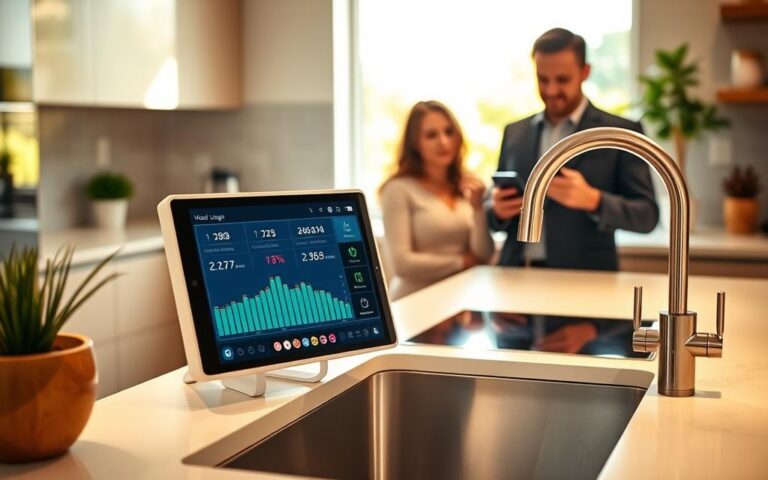
As cities grow, the demand for water increases. Rainwater collection is becoming a popular option for home use. New technologies like sensors and IoT help manage this system efficiently. They make it easier for people to check their water levels and keep things running smoothly. This tech works great with small tanks that fit in tight spaces, bringing rainwater use to more homes.
Water cleaning tech is getting better and more affordable. UV lights, filters, and modular systems can make rainwater safe to drink. Tanks made from special materials last longer and require less upkeep. These advances provide a reliable and green choice for homeowners.
Community programs are encouraging more people to collect rainwater. Cities offer special deals, helping with costs and giving advice. Also, workshops teach homeowners how to set up and maintain these systems. For more info on how and why to start, check out this detailed guide.
The future looks promising for home rainwater collection. Better tech, helpful policies, and community support are driving its growth. Homeowners can enjoy more water security and help the environment by joining in.
FAQ
What is residential rainwater harvesting and how does it benefit homeowners?
What types of rainwater collection systems are available for houses?
How much rainwater can a typical roof collect?
What are the essential components of a rainwater system for homes?
Is it legal to collect rainwater in the United States?
Can collected rainwater be used for drinking and cooking?
What maintenance is required for a home rainwater storage system?
How do first-flush diverters and filters improve water quality?
What are typical costs for installing a rainwater system for a house?
FAQ
What is residential rainwater harvesting and how does it benefit homeowners?
Residential rainwater harvesting means collecting and storing rain. It’s for later use. Homeowners save on water bills, have greener landscapes during dry periods, and reduce runoff. Water can be used for watering plants, washing cars, and more. Drinking it requires extra steps and sometimes permits.
What types of rainwater collection systems are available for houses?
Homes can use rain barrels for small gardens or larger cisterns for big needs. There are also in-ground tanks that don’t show above the surface. The choice depends on how much you want to spend, how much room you have, how much water you need, and local rules.
How much rainwater can a typical roof collect?
About 600 gallons of water can be collected from a 1,000 sq ft roof after one inch of rain. But, the amount you get can change based on your roof’s size, what it’s made of, and how good your collection system is. To figure out how much you need, look at your roof size and check your local rainfall data.
What are the essential components of a rainwater system for homes?
You’ll need gutters and downspouts to guide the water, filters to catch debris before the storage, and a screen where the water goes into your tank. You’ll also need the storage tank itself and maybe a pump. If you’re connecting to your home’s plumbing, make it safe to prevent any mix-up with drinking water.
Is it legal to collect rainwater in the United States?
The rules about collecting rainwater change depending on where you live. Most places are okay with it for non-drinking purposes, but using it as drinking water usually means you have to follow special rules. Always check with your local authorities before setting anything up.
Can collected rainwater be used for drinking and cooking?
Yes, but it needs special cleaning first. This includes filtering and disinfecting it. It also means getting the right permits and testing the water regularly. For many, using it for the garden, flushing toilets, and washing is easier and doesn’t have as many rules.
What maintenance is required for a home rainwater storage system?
Keep your system working well by checking your gutters, strainers, and screens each month. Clean your tank and take out sediment once a year. Change filters and service the pump as needed. Use screens and keep lids tight to keep bugs out. And don’t forget to get your system ready for winter if it gets cold.
How do first-flush diverters and filters improve water quality?
First-flush diverters get rid of the dirtiest water at the start of a rain. Filters keep out leaves and big debris. If you need very clean or drinking water, add more treatment after storage. This can include more filters and even UV light.
What are typical costs for installing a rainwater system for a house?
Prices change a lot. A simple barrel might be to 0. Bigger tanks can cost
FAQ
What is residential rainwater harvesting and how does it benefit homeowners?
Residential rainwater harvesting means collecting and storing rain. It’s for later use. Homeowners save on water bills, have greener landscapes during dry periods, and reduce runoff. Water can be used for watering plants, washing cars, and more. Drinking it requires extra steps and sometimes permits.
What types of rainwater collection systems are available for houses?
Homes can use rain barrels for small gardens or larger cisterns for big needs. There are also in-ground tanks that don’t show above the surface. The choice depends on how much you want to spend, how much room you have, how much water you need, and local rules.
How much rainwater can a typical roof collect?
About 600 gallons of water can be collected from a 1,000 sq ft roof after one inch of rain. But, the amount you get can change based on your roof’s size, what it’s made of, and how good your collection system is. To figure out how much you need, look at your roof size and check your local rainfall data.
What are the essential components of a rainwater system for homes?
You’ll need gutters and downspouts to guide the water, filters to catch debris before the storage, and a screen where the water goes into your tank. You’ll also need the storage tank itself and maybe a pump. If you’re connecting to your home’s plumbing, make it safe to prevent any mix-up with drinking water.
Is it legal to collect rainwater in the United States?
The rules about collecting rainwater change depending on where you live. Most places are okay with it for non-drinking purposes, but using it as drinking water usually means you have to follow special rules. Always check with your local authorities before setting anything up.
Can collected rainwater be used for drinking and cooking?
Yes, but it needs special cleaning first. This includes filtering and disinfecting it. It also means getting the right permits and testing the water regularly. For many, using it for the garden, flushing toilets, and washing is easier and doesn’t have as many rules.
What maintenance is required for a home rainwater storage system?
Keep your system working well by checking your gutters, strainers, and screens each month. Clean your tank and take out sediment once a year. Change filters and service the pump as needed. Use screens and keep lids tight to keep bugs out. And don’t forget to get your system ready for winter if it gets cold.
How do first-flush diverters and filters improve water quality?
First-flush diverters get rid of the dirtiest water at the start of a rain. Filters keep out leaves and big debris. If you need very clean or drinking water, add more treatment after storage. This can include more filters and even UV light.
What are typical costs for installing a rainwater system for a house?
Prices change a lot. A simple barrel might be $50 to $300. Bigger tanks can cost $1,000 to $5,000. If you’re putting a tank in the ground and need a lot of work done, it could go over $5,000. Hiring someone to do it all can add to the cost but ensures everything is right and legal.
Can homeowners install a rainwater system themselves?
You might be able to put in a rain barrel or a basic cistern by yourself. But for big tanks, underground ones, or any system linked to your home’s plumbing for drinking, you should get a professional. They know the rules and how to keep everything safe.
How should a homeowner size a tank for irrigation needs?
Look at how big your roof is and how much rain you get. Figure out how much water you’ll need for your yard and garden. Think about adding a bit more space in your tank for times when there’s a lot of rain.
What roofing materials are best for collecting clean rainwater?
Metal and tile roofs are good for collecting cleaner water. Asphalt shingles might let more bits into the water. If you’re going to drink the water, be careful with roofs that have lead or treated wood. Keeping the roof clean helps too.
How can homeowners prevent mosquitoes and pests in storage tanks?
Make sure your tanks are covered well. Use screens with very small holes. Check everything regularly to keep pests out.
Are there rebates or incentives for installing residential rainwater systems?
Some places will give you money back or other perks for collecting rainwater. This help depends on where you live. Look into what’s available from local utilities, the city, or the state.
What safety measures are required if connecting harvested water to house plumbing?
You’ll need to stop any chance of the rainwater mixing with your drinking water. This means using certain valves and labels. Always talk to a plumber and check with local rules before you start.
How does rainwater harvesting help reduce stormwater pollution?
By catching rainwater, you help keep local streams and rivers cleaner. You reduce the amount of rain rushing into sewers which can carry pollution. Devices that catch the first bits of rainwater and filters are especially good.
What are common problems homeowners face with rainwater systems and how are they solved?
Problems can include clogs, water that’s not clean, and damage from freezing. To avoid these, use guards and filters, pick the right treatment, insulate or empty barrels in cold weather, and keep up with cleaning and checks.
How are new technologies changing residential rainwater collection?
New gadgets help you keep an eye on how much water you have and control pumps from afar. There are also compact tanks for small spaces and cheaper ways to clean the water. This makes using rainwater easier and more effective.
Where can homeowners find credible guidance and products for rainwater systems?
For good advice and products, talk to local water experts, state water offices, or big-name companies. Look for trusted brands for cleaning equipment. They can help you pick what’s right for your home.
,000 to ,000. If you’re putting a tank in the ground and need a lot of work done, it could go over ,000. Hiring someone to do it all can add to the cost but ensures everything is right and legal.
Can homeowners install a rainwater system themselves?
You might be able to put in a rain barrel or a basic cistern by yourself. But for big tanks, underground ones, or any system linked to your home’s plumbing for drinking, you should get a professional. They know the rules and how to keep everything safe.
How should a homeowner size a tank for irrigation needs?
Look at how big your roof is and how much rain you get. Figure out how much water you’ll need for your yard and garden. Think about adding a bit more space in your tank for times when there’s a lot of rain.
What roofing materials are best for collecting clean rainwater?
Metal and tile roofs are good for collecting cleaner water. Asphalt shingles might let more bits into the water. If you’re going to drink the water, be careful with roofs that have lead or treated wood. Keeping the roof clean helps too.
How can homeowners prevent mosquitoes and pests in storage tanks?
Make sure your tanks are covered well. Use screens with very small holes. Check everything regularly to keep pests out.
Are there rebates or incentives for installing residential rainwater systems?
Some places will give you money back or other perks for collecting rainwater. This help depends on where you live. Look into what’s available from local utilities, the city, or the state.
What safety measures are required if connecting harvested water to house plumbing?
You’ll need to stop any chance of the rainwater mixing with your drinking water. This means using certain valves and labels. Always talk to a plumber and check with local rules before you start.
How does rainwater harvesting help reduce stormwater pollution?
By catching rainwater, you help keep local streams and rivers cleaner. You reduce the amount of rain rushing into sewers which can carry pollution. Devices that catch the first bits of rainwater and filters are especially good.
What are common problems homeowners face with rainwater systems and how are they solved?
Problems can include clogs, water that’s not clean, and damage from freezing. To avoid these, use guards and filters, pick the right treatment, insulate or empty barrels in cold weather, and keep up with cleaning and checks.
How are new technologies changing residential rainwater collection?
New gadgets help you keep an eye on how much water you have and control pumps from afar. There are also compact tanks for small spaces and cheaper ways to clean the water. This makes using rainwater easier and more effective.
Where can homeowners find credible guidance and products for rainwater systems?
For good advice and products, talk to local water experts, state water offices, or big-name companies. Look for trusted brands for cleaning equipment. They can help you pick what’s right for your home.