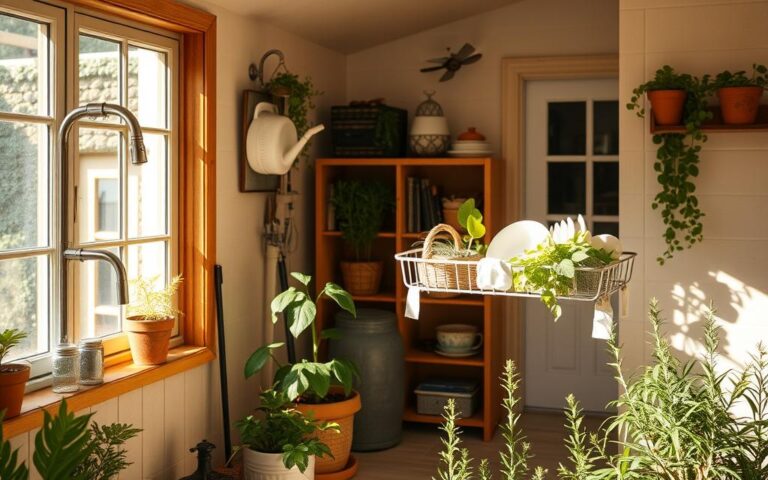

In today’s world, it’s really important to live in a sustainable way. Choosing DIY eco-friendly cleaning recipes helps make your home better and cuts down on bad chemicals found in usual cleaning products. You also help create a healthier living space for your family by picking these natural cleaners. These eco-friendly cleaning solutions are simple to make. They use stuff you probably already have, like vinegar and baking soda. By choosing these DIY options, you’re joining a movement that makes everyday cleaning better for the planet.
Key Takeaways
- Eco-friendly cleaning reduces exposure to harmful chemicals.
- DIY cleaning recipes are cost-effective and easy to make.
- Natural cleaning products can effectively clean a variety of surfaces.
- Green cleaning solutions contribute to a healthier home environment.
- Using simple ingredients like vinegar and baking soda promotes sustainability.
Why Choose Eco-Friendly Cleaning?
Choosing eco-friendly cleaning means your home becomes cleaner and your health gets a boost. Knowing why non-toxic cleaners are good shows many benefits. These benefits are not just for you but for the earth too.
Benefits for Your Health and Home
Non-toxic cleaners cut down health risks from harsh chemicals in usual products. You can see better health from using green cleaning products. For example:
- Reduced respiratory problems: Common cleaners can make allergies and breathing problems worse.
- Minimized skin irritations: Harsh chemicals can harm skin; eco-friendly products are gentler.
- Improved indoor air quality: Using green products means cleaner air at home.
Environmental Impact of Traditional Cleaners
Normal cleaning products have chemicals that pollute the environment. They can harm our water and ecosystems. Making and throwing away these products also pollutes, hurting animals and plants. By picking green cleaners, you help the earth stay healthy.
Essential Ingredients for Eco-Friendly Cleaning
When you start using eco-friendly cleaning products, it’s important to know the key ingredients. Choosing sustainable supplies helps keep your home and the planet healthier. Vinegar, baking soda, and lemon juice are great for cleaning. They’re safe for your family and pets, too.
Common Natural Ingredients to Consider
There are a few natural cleaners that really stand out:
- Vinegar: Great for cutting grease and getting rid of bad smells.
- Baking Soda: It’s a soft scrub that cleans surfaces without scratching them.
- Lemon Juice: Kills bacteria naturally and makes everything smell fresh.
Using these natural ingredients helps you keep your place clean without harsh chemicals.
The Role of Essential Oils
Essential oils bring nice smells and extra germ-killing power to cleaning. They make cleaning more effective. Some popular ones include:
- Tea Tree Oil: It’s known for powerful germ-fighting abilities.
- Lavender Oil: It smells soothing and cleans by killing germs.
- Peppermint Oil: It refreshes the air and keeps bugs away.
Adding essential oils to your cleaning routine boosts your eco-friendly efforts. Plus, your home will smell amazing.
DIY Multi-Purpose Cleaner Recipes
Making your own eco-friendly cleaner can change how you clean and help the earth. Here are easy to make cleaning recipes. They don’t just clean, but also keep your home safe and healthy. These solutions use fewer harsh chemicals, which is good for your family and the planet.
Simple Vinegar and Water Solution
A mix of vinegar and water makes a great cleaner for many tasks. Vinegar’s acidity cuts through dirt, gets rid of smells, and sanitizes surfaces.
- Ingredients:
- 1 cup white vinegar
- 1 cup water
- Optional: 10 drops of essential oil for a nice smell
- Instructions:
- Put vinegar and water in a spray bottle.
- Add essential oils if you want.
- Shake well before using.
Citrus Infused Cleaner
A cleaner with citrus peels cleans well and makes your home smell great. Citrus peels have natural germ-fighting properties and give off a fresh scent.
- Ingredients:
- 2 cups water
- Citrus peels (from lemons, oranges, or grapefruits)
- 1 cup white vinegar
- Instructions:
- Mix water, vinegar, and citrus peels in a jar.
- Close the jar and wait for about a week.
- After straining, put the liquid in a spray bottle.
- Now it’s ready to use on various surfaces.
These easy cleaning recipes can keep your home clean and healthy. They also show you care about our planet. Try these DIY cleaner recipes and see how eco-friendly solutions can work for you.
Stain Removal Solutions for All Surfaces
Eco-friendly stain removal methods are both safe and effective for cleaning tough stains. They use natural ingredients to clean without harmful chemicals. Here are some easy yet powerful ways to get rid of stains using safe methods.
Baking Soda and Lemon for Tough Stains
Baking soda mixed with lemon juice is a top eco-friendly choice for getting rid of hard stains. Baking soda’s mild roughness, along with lemon’s acidic nature, tackles stains well. Here’s how to use it:
- Mix equal parts of baking soda and fresh lemon juice into a paste.
- Spread the paste on the stain and wait for about 10-15 minutes.
- Then, gently scrub with a soft cloth or sponge and rinse with water.
This method works great on various surfaces like fabric and countertops. It’s a handy tool in your cleaning kit.
How to Remove Grease with Dish Soap
A simple dish soap serves as a strong non-toxic cleaner for grease stains. Dish soap is made to break down grease, so it’s super effective. To do it, follow these steps:
- Put a few drops of dish soap in warm water and mix.
- Dip a cloth in this solution and dab the grease stain gently.
- Keep blotting until the stain is gone, then rinse with clean water.
Using this method helps you keep your space free from chemicals and supports eco-friendly living.

Eco-Friendly Glass Cleaner Options
There’s no need for harsh chemicals when cleaning glass surfaces. Natural ingredients provide effective, streak-free solutions. Plus, they are better for the environment. Here are two great ways to change how you clean your glass.
Streak-Free Recipe Using Vinegar
Mix water and white vinegar in equal parts in a spray bottle. Shake it to mix well. This combo effectively removes grime and dirt. For streak-free windows:
- Spray the solution onto the glass surface.
- Wipe with a microfiber cloth in a circular motion.
- For extra shine, use a separate dry cloth to buff the surface afterward.
Using Rubbing Alcohol for Crystal Clarity
Rubbing alcohol is great for clear glass surfaces. Mix it with water in equal parts and put it in a spray bottle. It dries fast and leaves no streaks. To use it:
- Spray the mixture directly onto the glass, focusing on any spots or stains.
- Use a clean cloth or paper towel to wipe down the surface.
- Gently buff the area until it gleams.
Natural Bathroom Cleaning Recipes
Using natural recipes for bathroom cleaning is great for both cleanliness and safety. You can easily mix up effective solutions with a few basic ingredients. Here are two top picks for keeping your bathroom spotless.
Disinfecting Spray with Tea Tree Oil
This disinfectant spray uses the power of tea tree oil to fight bathroom germs and bacteria. Here’s how to make it:
- Mix 1 cup of water and 1 cup of white vinegar in a spray bottle.
- Add 10-15 drops of tea tree oil.
- Shake well before each use.
- Spray on bathroom surfaces like sinks, toilets, and showers. Wipe off with a cloth to clean.
Scrubbing Paste with Baking Soda
Baking soda is perfect for making an eco-friendly cleaning paste. It’s great for removing soap scum and grime. Just follow these steps to make it:
- Combine 1/2 cup of baking soda with 1/4 cup of water to get a thick paste.
- Add a few drops of any essential oil for a better smell.
- Put the paste on surfaces needing a scrub, such as sinks, tubs, or tiles.
- Use a sponge or brush to scrub, then rinse with water.

Kitchen Cleaning Made Easy
Keeping your kitchen clean is key for a healthy home. We’ll show you how to clean with eco-friendly solutions. These simple recipes use ingredients you already have, making cleaning safer.
All-Natural Oven Cleaner Recipe
This oven cleaner uses easy ingredients to fight baked-on grease safely. Here’s the recipe:
- 1/2 cup baking soda
- 1/4 cup white vinegar
- 1 tablespoon dish soap
Combine these in a bowl until it’s a paste. Spread it inside your oven and wait 30 minutes. Then, wipe it off for a clean oven. It’s a top choice for eco-friendly cleaning.
Safe Surface Cleaner for Food Prep Areas
It’s important to clean food areas with something safe and natural. Here’s an easy cleaner recipe:
- 1 cup distilled water
- 1/2 cup white vinegar
- 10 drops of lemon essential oil
Put these in a spray bottle and shake it up. Spray on counters and wipe. This mix cleans well and smells great.
| Ingredient | Purpose |
|---|---|
| Baking Soda | Gentle abrasiveness for scrubbing |
| White Vinegar | Disinfectant and grease cutter |
| Dish Soap | Breaks down tough stains and grease |
| Lemon Essential Oil | Antimicrobial properties and pleasant scent |
These cleaning solutions make keeping your kitchen clean easy. Enjoy a spotless kitchen and help the environment too.
Laundry Detergent Alternatives
Switching to natural laundry detergent alternatives helps cut down on home chemicals and supports eco-friendly laundry habits. You can make effective DIY laundry solutions right in your kitchen. Here are two easy recipes for homemade laundry detergents that are kind to both your clothes and the planet.
Homemade Powdered Detergent
This powdered detergent cleans your laundry with just a few ingredients. It uses washing soda, borax, and pure soap. Just follow these easy steps to make it:
- Grate one bar of natural soap.
- Combine 1 cup of washing soda and 1 cup of borax with the grated soap.
- Stir well to get an even mix.
Just use 1-2 tablespoons for each load for clothes that smell fresh and are clean.
Liquid Detergent with Castile Soap
Castile soap is great for those wanting a natural detergent. This liquid detergent is easy to make and works well:
- Heat up 4 cups of water in a big pot.
- Add 1 cup of grated Castile soap and mix until it dissolves.
- Put in 2 cups of washing soda and 2 cups of borax.
- Add water to the pot and stir until everything is well mixed.
Keep it in a closed container and use 1/4 to 1/2 cup for each wash. This mixture not only cleans well but it’s also biodegradable and good for the earth.

These alternatives are a great choice for eco-friendly laundry while keeping your clothes fresh. By choosing these DIY solutions, you make your laundry routine more sustainable and efficient, helping the planet.
Tips for Effective Eco-Friendly Cleaning
To make your eco-friendly cleaning work better, try some smart tips. These ideas help save time and make using natural products safer. They’re about being efficient and safe while cleaning.
Batch-Making Your Cleaners
Making cleaners in bulk has many benefits. This way, you’ll always have a green cleaner ready. It saves time and cuts down on waste.
Many people like using vinegar and baking soda. These can be made in large amounts. It keeps your cleaning green and practical.
Safe Storage Practices for Homemade Cleaners
Storing natural cleaners right keeps them effective and safe. Dark glass bottles help protect them from sunlight. This keeps ingredients from losing their power.
Always label bottles with what’s inside and the date made. Store them where kids and pets can’t get to them. These steps help make your home safer.
How to Maintain an Eco-Friendly Clean Home
Having a sustainable cleaning plan is key for a green home. Keeping a consistent cleaning habit helps the environment and keeps your home neat. A regular schedule makes sure you use green cleaning products correctly.
Regular Cleaning Schedule Recommendations
Starting a cleaning schedule seems hard, but breaking it into small tasks helps. Here are some tips for a straightforward cleaning plan:
- Daily: Tidy up living areas, wash dishes, and wipe down kitchen counters.
- Weekly: Dust, vacuum, and clean bathrooms with green products.
- Monthly: Organize, wash windows, and clean upholstery.
- Seasonally: Check your cleaning products and switch out harmful ones with eco-friendly options.
Updating Your Cleaning Supplies
It’s important to regularly check your cleaning products. Swap out dangerous items for sustainable ones. Opt for items that are biodegradable and don’t have harmful chemicals. Brands like Seventh Generation and Method have great eco-friendly choices. Adding homemade cleaning mixes can also cut down waste and make your cleaning greener.
Conclusion: Start Your Eco-Friendly Cleaning Journey
Now is the time to start eco-friendly cleaning. Using natural cleaners makes your home healthier and helps the planet too. There are many safe and refreshing options for you to try out.
Encouragement to Try New Recipes
Don’t be afraid to try the recipes from this article. They make cleaning easier and are good for the earth. You will find that you don’t need harsh chemicals to clean your home effectively.
Have fun finding the perfect combination of ingredients for your place.
Sharing Your Experience and Tips
Your adventure in eco-friendly cleaning doesn’t end here. Use this chance to build a community focused on green cleaning. Share your recipes and advice with others, whether it’s with family, friends, or online.
When you share your experiences, you help promote a green lifestyle. You inspire others to start their eco-friendly cleaning journey too.
FAQ
What are some common natural ingredients used in eco-friendly cleaning?
How can homeowners benefit from using eco-friendly cleaning products?
Are homemade cleaners as effective as commercial products?
What are some tips for batch-making eco-friendly cleaners?
How can I ensure that my homemade cleaners are safe to use?
What are the environmental impacts of traditional cleaning products?
Can I use essential oils in my eco-friendly cleaning recipes?
What are effective natural solutions for specific cleaning tasks?
How can I maintain an eco-friendly clean home?
Practical Application Framework
To improve real-world outcomes, apply recommendations in a phased workflow: diagnose current baseline, test one change, measure results, then scale.
Execution Checklist
- Define your baseline metric
- Run a 7-day controlled test
- Record cost/time impact
- Keep the change only if results improve
Common Errors
- Changing multiple variables at once
- Skipping measurement and relying on assumptions
- Not adapting strategy to local constraints
Quality Enhancement Update: 2026-03-05 — This article was refined with scenario-based guidance, implementation checklists, and measurable decision steps to increase practical value and reduce generic repetition.
Editorial Note: For policy and methodology, see Editorial Policy.
Article Trust & Methodology
Author: Rosalie Clark
Editorial Review Date: 2026-03-05
Purpose: Deliver practical, user-first guidance with clear limitations and realistic implementation steps.
How this article was prepared
- Topic intent mapping based on common reader problems
- Step-by-step structure with measurable checkpoints
- Risk notes and scenario-based adjustments
- Readability review for mobile and desktop
Who this article is for
This content is for everyday readers who need practical decisions they can apply safely and consistently, not theoretical advice only.
Sources and validation approach
Recommendations are organized around established best-practice principles (measurement, controlled testing, and periodic review). Readers should adapt guidance to local regulations, climate, infrastructure, and budget constraints.
For editorial standards and correction requests, see Editorial Policy and contact contact@everydaytechfinance.com.
Final Implementation Notes
For best outcomes, avoid changing multiple variables at once. Build a small decision log, review results weekly, and keep only changes that improve measurable outcomes over time. Consistency and clarity are more important than intensity.