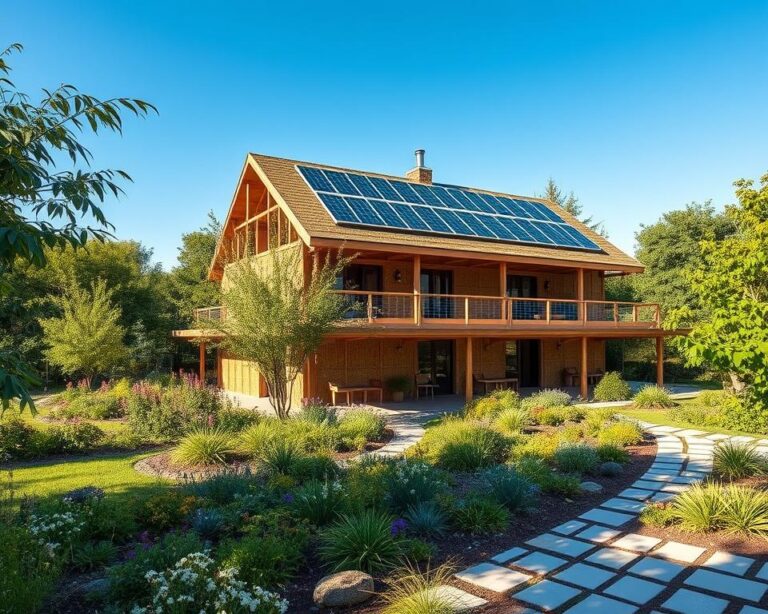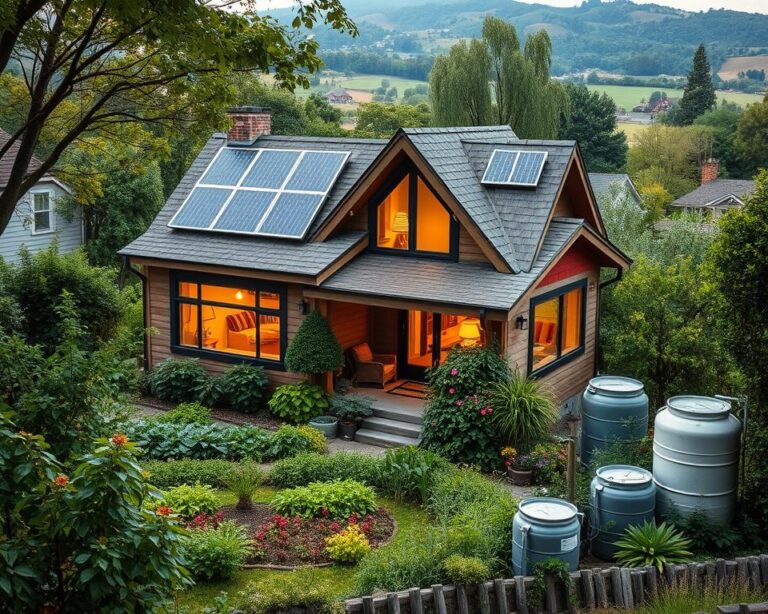

This guide gives a step-by-step on picking eco-friendly building materials for homes in the U.S. It talks about different types like insulation, flooring, and paints. It also covers water-saving solutions and looks into their certifications and life cycles.
It includes info on green building supplies from places like the U.S. Environmental Protection Agency. And the U.S. Green Building Council, along with certain manufacturers. Groups like the Forest Stewardship Council are also mentioned.
Readers will discover how to judge eco-friendly materials based on their performance and cost. The aim is to assist people in finding the right balance between staying on budget and being eco-friendly. This includes options like bamboo and recycled steel.
Key Takeaways
- Focus on verified certifications like LEED and Energy Star when choosing green building supplies.
- Balance upfront cost and lifecycle savings to judge sustainable construction materials effectively.
- Prioritize low-toxicity products to improve indoor air quality and health.
- Compare structural, insulation, and finish options to match project goals and local climate.
- Use reputable sources—EPA, USGBC, and industry manufacturers—for product guidance and standards.
Introduction to Eco-Friendly Building Materials
Picking green materials for homes involves knowing what to look for. They should be kind to the planet at every stage: making, moving, installing, using, and disposing. Look for features like low energy needs, ease of recycling, coming from renewable sources, being safe, lasting long, and creating less trash.
Definition of Eco-Friendly Materials
Materials are eco-friendly if they have low carbon footprints, pass life-cycle checks, and contain recycled parts. Having labels like the Forest Stewardship Council (FSC) for wood or GREENGUARD for clean air proves their claims. Documents like Environmental Product Declarations (EPDs) and ICC-ES reports give data for comparisons.
Importance of Sustainable Construction
Using sustainable materials cuts down on harmful gases and lessens the amount of trash in landfills. They make indoor air better by lowering the chance of harmful emissions and mold. Plus, saving resources like water and trees helps ensure they’ll be around longer.
In the US, building rules are paying more attention to saving energy. Through Energy Star and the Department of Energy’s advice, there are money-saving deals for natural building materials. Checking for official seals and tests means you can trust you’re getting eco-friendly, durable homes.
Benefits of Using Eco-Friendly Materials
Choosing eco-friendly materials can change our planet, our homes, and our finances for the better. This guide highlights why it’s smart to choose green building supplies and products. These choices help both the environment and our wallets.
Environmental Impact
Using materials with low embodied energy reduces greenhouse gas emissions during a building’s lifetime. Bamboo and recycled steel are great examples. They replace traditional materials, cutting down our carbon footprint.
Reclaimed and recycled materials prevent waste from filling landfills. Modular building techniques also reduce waste at construction sites. Choosing items like low-flow toilets helps save water. And using renewable resources supports the planet’s health.
Health Benefits
Low-VOC paints and GREENGUARD-certified products improve indoor air. This can mean fewer breathing problems and less exposure to harmful chemicals. Healthier homes are the result.
Good insulation and windows help control indoor climates, reducing mold and enhancing comfort. Homes also feel better with non-toxic finishes. These are perfect for those sensitive to harsh chemicals.
Economic Advantages
Eco-friendly upgrades like energy-saving windows make homes cheaper to maintain. Homeowners spend less on utilities and see quick returns on their investments. It’s a win-win situation.
Homes with green certifications sell for more and quicker. Certifications like LEED show a home’s value. Upgrades can also bring tax breaks, rebates, and incentives. It’s easier than ever to save money while being eco-conscious.
| Benefit | Example Materials or Measures | Typical Impact |
|---|---|---|
| Lower emissions | Bamboo, recycled steel, low-embodied-energy concrete | Reduced construction carbon footprint; long-term climate gains |
| Waste reduction | Reclaimed wood, recycled-content insulation, modular panels | Less landfill waste; lower disposal costs |
| Healthier indoor air | Low-VOC paints, formaldehyde-free insulation, GREENGUARD products | Fewer respiratory problems; improved occupant comfort |
| Energy savings | High-performance windows, cellulose insulation, metal roofing | Lower utility bills; possible payback in years |
| Market value | LEED, ENERGY STAR upgrades, solar-ready design | Higher resale price; faster sale timeline |
| Durability | Metal roofing, recycled-steel framing | Longer replacement intervals; reduced maintenance costs |
Types of Eco-Friendly Building Materials
Picking the right materials can shape how well a home performs and its impact on our planet. We’ll explore three choices that are not only sturdy but also kind to the environment. These include natural, eco-friendly, and green renovation materials, each with its own set of benefits and applications.
Bamboo
Bamboo is not just any grass—it grows quickly and is strong. It can be used for floors, walls, and more, becoming ready in just 3 to 5 years. This fast growth helps it store carbon, reducing the carbon footprint when used locally.
When buying bamboo, look for certified products from trusted brands. Companies like Teragren and Cali Bamboo provide high-quality options for homes. It’s important to choose bamboo that’s treated correctly to avoid pests and moisture damage. This supports forests and ensures the materials are truly eco-friendly.
Recycled Steel
Steel that’s been recycled can be used for many parts of a house. It lasts a long time, resists termites and fire, and is better for the planet than new steel. Plus, it can be recycled again when it’s no longer needed.
Companies in the U.S., such as Nucor and Steel Dynamics, use a high amount of recycled content. By choosing these products, you help cut down on transport emissions. This makes recycled steel a solid choice for renovations and builds that last in tough conditions.
Rammed Earth
Rammed earth involves compacting natural soils, which may include a bit of cement or lime. These walls keep indoor temperatures stable, reducing the need for heating or cooling. They’re also non-toxic, resist fire, and keep noise out.
The earth used is usually local, which means less energy to build. However, constructing rammed earth walls requires skilled workers. In dry areas, rammed earth is ideal, but in wetter climates, you need to add moisture barriers. With careful planning, it’s a great eco-friendly option.
Sustainable Insulation Options
Choosing the right insulation is key for comfort, energy saving, and material impact. Builders and homeowners who want energy-efficient homes have many options. We’ll look at three popular ones, their environmental effects, and suggest some trusted brands.
Spray foam creates a tight seal and has high insulation value. It comes in open-cell or closed-cell types, which differ in moisture resistance and density. Closed-cell foam offers better insulation and some structural support. Older spray foams used harmful blowing agents, but brands like Icynene and Demilec now use eco-friendlier options. Spray foam needs professional installation. People should stay away during its application to avoid off-gassing. Adding good ventilation can enhance indoor air while keeping homes well-insulated.
Cellulose is mostly recycled paper with fire retardant. It’s great for walls and attics, offering low environmental impact and good insulation. Brands like Applegate and Green Fiber are well-known in the U.S. Installers must check for correct borate levels and manage moisture well. When done right, cellulose insulation minimizes air leaks and supports using sustainable materials by recycling paper.
Wool insulation, made from sheep wool, is excellent for controlling moisture and reducing noise. It’s renewable and biodegradable. Brands like Havelock Wool and Thermafleece specialize in eco-friendly projects. While more expensive than some options, wool’s low impact and ease of use make it a top choice for green builds. It can also be naturally resistant to flames, making it safe and eco-friendly.
Different options suit various budgets and goals. Using top-quality materials and smart design leads to the best energy efficiency and sustainability in home construction.
Eco-Friendly Flooring Choices
Picking the right floor is key for homeowners who value sustainability. We’ll look at three green choices for home renovations. They offer a good mix of lasting quality, comfort, and low environmental impact.
Reclaimed Wood
Reclaimed wood comes from old barns, warehouses, and buildings no longer in use. It reduces the need for new wood by reusing what’s already there. This is good for the planet.
It looks unique and works well if properly processed. There’s also less trash because of it. Make sure to learn where it came from and its history. Places like Vintage Timberworks are good to find it.
Cork Flooring
Cork is taken from the bark of cork oaks without harming the tree. It can be used again every nine to twelve years. It’s a top pick for those renovating their homes in an eco-friendly way.
This material is good for stopping microbes and feels cushy. It keeps heat well and reduces noise. It’s also safe for the planet when thrown away. Amorim and Wicanders are known for high-quality cork. Look for low chemical adhesives to keep the air clean.
Bamboo Flooring
Bamboo for floors is sold as planks or hard boards. It grows back quickly, so it’s better for the environment.
Strong bamboo floors are as durable as many hardwoods. It’s important to pick ones with low harmful chemicals. Cali Bamboo and Teragren are brands to remember.
| Floor Type | Renewability | Durability | Indoor Air Considerations | Notable Brands / Sources |
|---|---|---|---|---|
| Reclaimed Wood Flooring | Very high — reuses existing material | High when re-milled and sealed properly | Check past chemical treatments and finishes | Local salvage yards, Vintage Timberworks |
| Cork Flooring | Renewable every 9–12 years | Moderate — cushioned, resilient surface | Low VOC finishes recommended | Amorim, Wicanders |
| Bamboo Flooring | Fast-growing, renewable | High — especially strand-woven varieties | Choose CARB-compliant or NAUF options | Cali Bamboo, Teragren |
Energy-Efficient Windows and Doors

Choosing the right windows and doors changes how comfy and energy-efficient your home is. Look for energy-saving options to keep your home warm in winter and cool in summer. The best choices have advanced glass and insulated frames.
Check out glass performance, like U-factor and SHGC, for your local climate. Low-e coatings keep heat out but let light in, making your home warmer without losing sunlight. In cold places, windows with three layers of glass and gas like argon or krypton are best.
Low-E Glass Windows
Low-e glass windows lower heat transfer, making your home more efficient. They work best with two or three layers of glass, special spacers, and frames that stop heat loss. Frames made of vinyl, fiberglass, or wood with aluminum are great for stopping heat escape.
Brands like Andersen, Pella, and Marvin have energy-efficient options for all climates. Choosing these improves your home’s comfort and reduces energy use. Make sure they’re installed right for the best effect.
To learn more about green building materials and windows, see eco-friendly windows for green homes.
Sustainable Wood Doors
Sustainable wood doors use eco-friendly wood and reduce harm to nature. They look natural and can be greener than steel doors if sourced right. These doors last longer with good weatherproofing, thermal breaks, and safe finishes.
Doors covered in fiberglass with wood cores are both pretty and tough. They resist moisture better and last longer than other doors.
| Component | Common Options | Performance Notes |
|---|---|---|
| Glazing | Double-pane, Triple-pane, Low-E, Tinted | Triple-pane and Low-E best insulate; tinted cuts down glare |
| Gas Fill | Argon, Krypton | Better insulation between panes; krypton is best in small spaces |
| Frame Materials | Wood, Vinyl, Fiberglass, Aluminum (thermally broken) | Fiberglass and wood insulate well; thermally broken aluminum stops heat loss |
| Door Construction | FSC wood, Reclaimed timber, Fiberglass-clad | Eco-friendly wood reduces energy use; fiberglass-clad lasts longer |
| Finishes | Low-VOC paints and stains | Better for indoor air and eco-friendly building |
Choosing energy-efficient windows and doors saves money and is good for the planet. Low-e glass windows and eco-friendly wood doors cut your energy bills. They also improve the air inside your home and reduce harm to the environment.
Green Roofing Solutions
Roofs are crucial for reducing energy use and creating habitats in cities. Green roofs vary from living, planted ones to reflective materials and durable metals. Homeowners choose based on their home’s structure, budget, and weather needs. They aim for energy-saving and eco-friendly materials.
Living Roofs
Living roofs include plants on a waterproof layer and soil. They can be light with shallow soil or heavy for deeper plants and walking.
They help with stormwater, insulation, cooling cities, and providing animal homes. These roofs last longer with the right drainage and barriers. Buyers need to check their home can support the weight and pick plants carefully.
Cool Roofs
Cool roofs reflect sunlight with special materials. These include reflective paints, light shingles, tiles, and metals.
This keeps buildings cooler and cuts down on air conditioning. Owners should use the Cool Roof Rating Council and ENERGY STAR to choose wisely.
Metal Roofing
Metal roofs are made from recycled steel or aluminum and last 40 to 70 years. They stand up to fire, wind, and bugs and can be recycled. They work well with cool paint and solar panels.
Remember to reduce rain noise and keep your home warm. Companies like Metal Sales Manufacturing and TAMKO offer eco-friendly metal roofs.
| Roof Type | Primary Benefit | Typical Lifespan | Key Consideration |
|---|---|---|---|
| Living Roof (Extensive) | Stormwater retention and biodiversity | 20–50 years with membrane care | Structural load and periodic maintenance |
| Living Roof (Intensive) | Usable green space and insulation | 20–50 years with active upkeep | Higher weight, irrigation needs, access |
| Cool Roof (Coatings, Light Tiles) | Lower cooling loads and reduced heat gain | 10–30 years depending on material | Best in hot climates; reflectance ratings matter |
| Reflective Metal Roof | Durability and recyclability | 40–70 years | Initial cost and sound control measures |
Environmentally Responsible Paints and Finishes

Choosing eco-friendly paints makes homes healthier and last longer. Eco-conscious materials reduce exposure to harsh chemicals. They also keep your design goals in check.
Low-VOC Paints
Low-VOC paints cut down on harmful compounds, improving air quality. Look for certifications like GREENGUARD Gold and Green Seal. They match EPA’s guides.
Consider brands such as Benjamin Moore Natura, Sherwin-Williams Harmony, and Behr Premium Plus. These brands have low-VOC options. Always check the VOC levels in primers and sealants too.
Keep rooms well-ventilated when painting. Use fans and open windows. It’s important to let rooms air out afterwards. This removes any lingering smells faster.
Natural Paint Alternatives
Natural paints come from minerals or plants, like clay and linseed oil. They break down easier and are kinder to those with allergies.
The effectiveness varies by product. Some, like limewash, are perfect for masonry. Others, like plant-based oils, might need more frequent applications.
Specialists offer natural paints for specific needs. They are great when you want all-natural finishes or have chemically sensitive people around.
| Property | Low-VOC Paints | Natural Alternatives |
|---|---|---|
| Main ingredients | Synthetic resins with reduced VOC solvents | Clay, lime, casein, linseed oil |
| Typical certifications | GREENGUARD Gold, Green Seal | Often artisan or eco-labels; check third-party testing |
| Indoor air impact | Low during and after curing when primers match | Minimal; depends on additives and preparation |
| Durability | High for many interior uses; washable finishes available | Variable; better for low-traffic or decorative areas |
| Best use cases | Living spaces, bedrooms, schools | Historic restorations, sensitive occupants, feature walls |
| Cost considerations | Mid to high depending on brand and finish | Can be higher per coat; long-term upkeep may differ |
Water Conservation Materials
Picking the right materials can help decrease water use in homes. This section explores options for both updates and new projects. It covers common parts, benefits, and how-tos. Homeowners, builders, and designers in the U.S. will find this info useful for choosing water-saving materials.
Rainwater collection and storage
Rainwater systems catch water from roofs, clean it, and then store it. They include parts for catching, moving, storing, filtering, and cleaning the water. The size of tanks is based on the home’s roof size, local rainfall, and how the water will be used.
These systems cut down on city water use, reduce runoff, and offer a backup water source. When shopping, people look at companies like Rainwater Management Solutions and Bushman Tanks. They offer sturdy tanks and help with system planning. In cold places, it’s key to protect tank pipes from freezing.
Combining rainwater systems with other water-saving methods boosts savings. Always double check the laws and health rules in your area before setting up a system for drinking or indoor use.
Stormwater-friendly paving
Permeable paving lets water seep into the ground, reducing runoff. Choices include special concrete, asphalt, and interlocking pavers. They help refill groundwater, cut flooding risk, and clean pollutants from water.
To install, you need a strong base tailored to your soil. Keep the surface clean with vacuuming or pressure washing. Mix light-colored surfaces with plants to cool areas in hot climates.
| Material | Primary Benefit | Maintenance | Best Use |
|---|---|---|---|
| Pervious concrete | High infiltration rate; long lifespan | Periodic vacuuming; repair cracks | Driveways, parking areas with good base |
| Porous asphalt | Cost-effective; flexible surface | Regular sweeping and vacuuming | Low-traffic roads, overflow parking |
| Permeable pavers | Visual variety; easy repairs | Weed control; joint replenishment | Patios, walkways, residential driveways |
| Gravel or open-graded stone | Simple installation; low cost | Raking; occasional replenishment | Driveways, landscape paths |
Choosing water-saving and green building materials together makes homes stronger. Designers need to weigh costs, upkeep, and local weather. Good planning helps use less drinking water and protects water systems and underground water sources.
Certifications for Eco-Friendly Materials
Choosing eco-certified products helps homeowners feel confident about selecting green building supplies. Third-party labels show standards for materials, energy use, and indoor air quality. They outline important programs and ways to check if claims are true.
LEED measures how buildings perform in areas like energy, water use, materials, and their impact on the site. The U.S. Green Building Council runs the LEED program. It gives points for using recycled materials, buying local, choosing FSC-certified wood, and having Environmental Product Declarations. Homeowners can aim for LEED for Homes or use LEED v4.1 to help choose parts that might raise their home’s value and be verified by a third party.
Energy Star highlights products and homes that save energy according to the EPA. ENERGY STAR Certified Homes must pass specific tests like blower-door tests and checks on heating and cooling. Looking for Energy Star labels on windows, appliances, and roofs can lower bills and may offer rebates.
There are other trusted eco-labels for materials. The Forest Stewardship Council checks if wood is harvested responsibly. GREENGUARD and Green Seal look at products with low chemical emissions. Cradle to Cradle and EPDs show how products impact the environment over their lives for both makers and buyers.
Checking if a product is truly eco-friendly is key. Ask for EPDs, test results, and certification numbers from makers. Use websites like the International Living Future Institute’s Declare or BuildingGreen’s directories to verify claims before buying green building supplies.
Conclusion: Making the Right Choice
Choosing eco-friendly materials for your home is important. Consider the energy used, savings, indoor air quality, costs, and climate fit. Start with air sealing, insulation, and efficient windows for quick benefits.
Look for certifications like FSC, ENERGY STAR, and LEED. Ask for product info and talk to experienced green builders. Check out rebates for saving on energy upgrades. Compare costs and benefits of insulating, new windows, and better roofing.
Make sure things are installed right to work well. Use a step-by-step plan, starting with the most cost-effective changes. Work with experts to follow U.S. building codes and standards.
The future looks bright with low-carbon building materials like timber and recycled steel. New tools and models will make choices clearer. Adding solar, heat pumps, and smart systems will make homes healthier and more cost-effective.