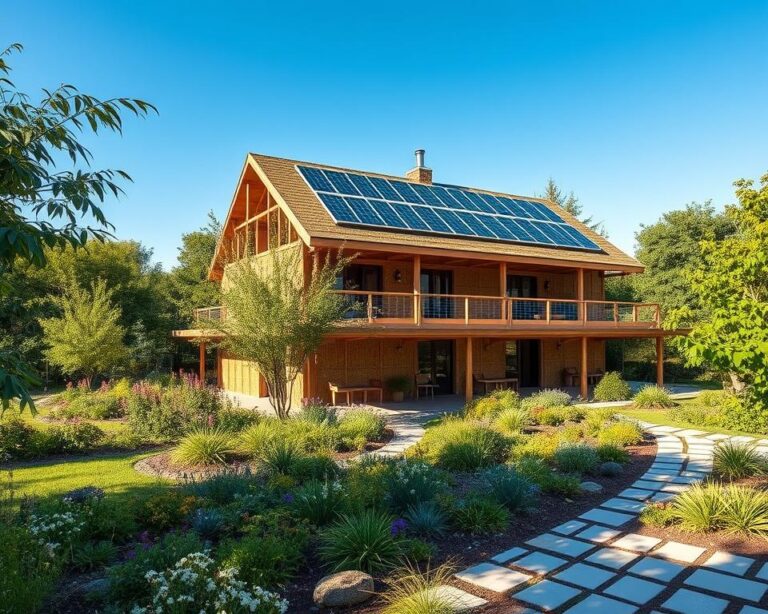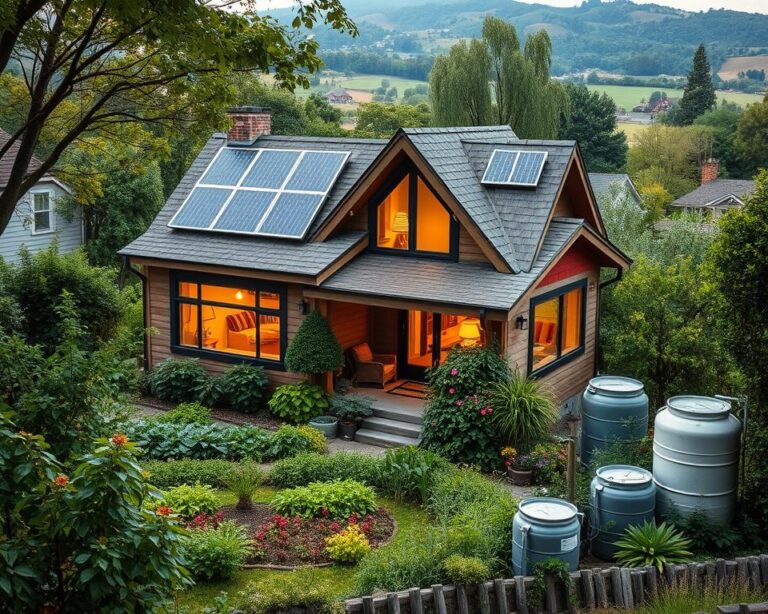

This guide shows step-by-step sustainable housing upgrades. These changes can make homes more comfortable while saving energy and money. It covers eco-friendly house changes suitable for different budgets and homes, from old row houses to new suburban ones.
We’ll talk about improving building cover, using renewable energy, and saving water. It also covers smart-home tech, green materials, and making the air inside homes cleaner. Plus, it discusses community efforts, money help, and future trends to help plan updates with government incentives in mind.
This guide is for homeowners, landlords, people remodeling homes, and renters interested in sustainability. Making these green changes can lower bills, improve comfort all year, cut down on harmful gases, and may even raise your home’s worth.
We base our advice on info from reliable places like the U.S. Department of Energy and the Environmental Protection Agency. This ensures our suggestions are accurate and up to date with available financial help.
Key Takeaways
- Practical sustainable housing upgrades can reduce energy waste and improve comfort quickly.
- Eco-friendly house upgrades range from insulation and windows to solar and smart thermostats.
- Green home improvements can lower utility bills and boost property value.
- Sustainable living modifications often qualify for federal and state incentives.
- Trusted sources like DOE, EPA, ENERGY STAR, and NREL inform recommended measures.
Understanding Sustainable Housing Upgrades
Sustainable housing upgrades make homes better, reducing waste, costs, and improving comfort. They use smart design, materials, and systems. This lowers environmental impact and boosts indoor health and resilience.
Definition of Sustainable Housing
Sustainable housing is about designing, renovating, and keeping homes in ways that harm the environment less and save resources. It includes energy-saving systems, renewable energy at home, saving water, using materials that don’t harm the air, and smart planning. The goal is homes that are strong against weather and economic changes.
Benefits of Sustainable Upgrades
Homeowners gain a lot from sustainable upgrades. They spend less on utilities and don’t need as many repairs. Better air inside and safer materials mean less health risks. These improvements also make homes worth more and help the planet.
The government and studies support these facts. The U.S. Department of Energy says smart improvements can really save energy. The EPA says cleaner air inside helps us breathe better and have fewer allergies.
Key Features of Sustainable Homes
Sustainable homes have key things in common. Good insulation and special windows keep heat in or out. Efficient heating, cooling, and appliances use less energy. Solar or other green energy sources mean relying less on the power grid.
Water-saving fixtures, safe materials, and better air systems are good for health and make the home last longer. Smart tech helps control and monitor these systems. Homes can earn special labels like LEED and ENERGY STAR for being green.
Start with easy, budget-friendly steps. Sealing leaks, setting the thermostat right, and using LED lights make a quick difference. Then look at improving insulation and windows. Bigger steps like new heating/cooling or solar energy should come after a home energy check.
| Priority | Typical Measures | Impact | Approximate Cost Range |
|---|---|---|---|
| Low-cost / High-impact | Air sealing, LED lighting, thermostat tuning | Immediate bill reductions, improved comfort | $100–$1,000 |
| Moderate upgrades | Insulation, ENERGY STAR windows, efficient water heaters | Significant energy savings, better thermal performance | $1,000–$10,000 |
| Major systems | HVAC replacement, solar PV, geothermal systems | Long-term cost reduction, carbon footprint cut | $5,000–$40,000+ |
| Health and materials | Low-VOC finishes, ERV/HRV ventilation, durable siding | Improved indoor air quality, lower maintenance | $500–$8,000 |
Energy Efficiency Improvements
Making your home use less energy improves comfort and lowers bills. You can change windows, add insulation, or get new appliances. Homeowners who upgrade for efficiency enjoy more stable temperatures, less air leakage, and lower energy costs. Following regional advice ensures the best outcomes.
Installing Energy-Efficient Windows
Windows are rated by U-factor and SHGC. A low U-factor is good for cold areas. A low SHGC suits warmer places. In most U.S. places, double- or triple-pane low-E glass is optimal for keeping heat in or out.
How well windows are installed is crucial. Sealing stops air leaks. ENERGY STAR gives window ratings for each region. Picking the right windows and ensuring they’re sealed can make your eco-friendly upgrades worth it.
The cost of windows depends on the materials and complexity of installation. What you save varies with your climate, old windows, and your heating or cooling needs. Tax credits and local incentives can help with the costs.
Insulation Upgrades for Better Performance
Insulating attics, walls, floors over garages, and more is essential. The Department of Energy suggests different R-values based on your location. Reaching these values cuts heat loss and energy use.
Insulation types vary in effectiveness and moisture handling. Fiberglass batts fit standard spaces affordably. Cellulose and foam fill odd spaces and seal leaks. Rigid foam is great for outer walls and basements.
For top results, combine air sealing with insulation. Caulks and weatherstripping block leaks. A blower door test finds leaks to fix. Doing this makes your energy-saving efforts even more effective.
The Role of Energy-Efficient Appliances
ENERGY STAR certified appliances use less energy than older models. Upgrading to these can save 10–50% of energy. High-efficiency HVAC systems offer even bigger heating and cooling savings.
Choosing the right water heater affects energy use. Heat pump heaters are very efficient. Tankless heaters save energy in small homes. High-efficiency gas or right-sized electric heaters are good for larger needs.
Combining efficient appliances with smart systems lowers energy use and costs. This enhances the perks of green home upgrades, benefiting you for years.
Incorporating Renewable Energy Sources
Adding renewable systems to homes boosts comfort, resilience, and savings over time. This section covers choices for rooftop and ground setups, small wind turbines, and geothermal heating. It also looks at how these choices fit with recent trends in green building and what homeowners should consider before making an investment.
Solar options
Rooftop solar panels are a top pick. They can be installed on any roof and work with different types of inverters. Some technologies boost energy in shady spots. For houses with large yards or those whose roofs don’t face the sun well, solar panels can be placed on the ground. There’s also a type that blends into the building more smoothly, adding aesthetic and financial value.
Adding batteries means more solar power gets used directly at home and can provide emergency power. Lithium-ion batteries are popular for their compact size. Flow batteries last longer for bigger needs. Choosing the right size depends on roof angle, shadows, and sunlight. The PVWatts tool from the National Renewable Energy Laboratory helps with estimates. But, rules for connecting to the grid and for getting credit for surplus power depend on the state. There’s also an option for people who rent or have shady yards to join a community solar project.
Federal and local incentives can help with costs. The federal tax credit makes many projects cheaper. State incentives or third-party agreements like leases or power purchase agreements can also play a part. It’s crucial to match the costs and benefits to ensure a good investment in sustainable upgrades.
Wind energy
Wind turbines need steady winds of at least 10 mph. They range from small rooftop models to large freestanding units. The right location is key for airflow, safety, and to meet local rules. Permits, how they look, and the noise they make can also affect the choice.
Tools from NREL and local wind maps help assess the wind at a site. Combining wind with solar can even out power supply. Knowing what maintenance they need and their expected power output is important for these sustainable choices.
Geothermal heating
Geothermal heat pumps use underground loops to move heat to and from a house. There are different types, based on how they’re installed and if they use groundwater. The right type depends on the land available and the depth of drilling needed.
These systems are more efficient than traditional heating, working well all year and lasting a long time. Though upfront costs are higher, incentives and rebates can help make them affordable sooner as part of sustainable home improvements.
| System | Typical Scale | Key Benefits | Primary Considerations |
|---|---|---|---|
| Rooftop PV | 3–10 kW (residential) | High rooftop suitability, strong ROI with incentives | Roof condition, orientation, shading, inverter choice |
| Ground-mounted PV | 5–50 kW | Optimized tilt and airflow, easy maintenance | Land use, permitting, fencing, visual impact |
| Building-Integrated PV (BIPV) | Variable | Seamless appearance, material substitution | Higher cost, design coordination, module efficiency |
| Battery Storage (Li-ion / Flow) | 5–20 kWh (home systems) | Backup power, increased self-consumption | Battery lifespan, cost, space, safety and installation |
| Small Wind Turbine | 1–20 kW | Complementary generation in windy sites | Wind speed at height, noise, permits, maintenance |
| Ground-Source Heat Pump | Residential HVAC scale | High efficiency, stable comfort, long life | High upfront cost, drilling/loop design, site geology |
Water Conservation Techniques
Water savings are vital in making homes sustainable. Small steps like changing fixtures, collecting rainwater, and choosing the right plants can greatly reduce water use. These actions are perfect for anyone looking to make their home more eco-friendly, focusing on long-term benefits.

Low-Flow Fixtures and Their Impact
Low-flow toilets, faucet aerators, and showerheads comply with EPA WaterSense standards. They use less water without sacrificing performance. By choosing a WaterSense toilet, a household can save thousands of gallons of water each year compared to old models.
Upgrading your plumbing saves money and is more reliable. Features like pressure-balanced shower valves and leak detectors help save water and reduce bills. Though costs vary, the investment pays off through lower water and energy expenses.
Rainwater Harvesting Systems
Rain barrels and cisterns store rainwater from your roof. This water can be used for watering plants, flushing toilets, and even washing clothes. Keeping the water clean for use is easy with first-flush diverters and filters. Remember, using this water for drinking might need more treatment.
The size of your system depends on your roof size, the local rainfall, and your water needs. Proper placement reduces problems like mosquitos and foundation damage. Some places offer benefits to those who install these systems, making it cheaper to start saving water.
Drought-Resistant Landscaping
Xeriscaping means using plants that don’t need much water, enriching soil, and using mulch. This and using drip irrigation helps save water by getting it right to the plant’s roots. Less grass also means less water use and less time spent maintaining your yard.
This approach not only cuts down on water use but also lowers yard work and helps pollinators. There are resources like Cooperative Extension offices and water utilities that offer plant suggestions and rebates, helping homeowners embrace sustainable practices.
| Measure | Typical Savings | Key Benefits |
|---|---|---|
| WaterSense Toilet | Up to 13,000 gallons/year per household | Lower water and energy bills; quick payback |
| Low-Flow Showerhead & Aerators | 20–50% water reduction for fixtures | Maintains comfort; reduces hot water use |
| Rain Barrels / Cisterns | Varies by rainfall; offsets irrigation needs | Reduces municipal demand; stormwater management credits |
| Drip Irrigation & Smart Controller | 30–70% less irrigation water | Precision watering; lower runoff and costs |
| Xeriscaping with Native Plants | Significant seasonal irrigation reduction | Habitat support; lower maintenance and costs |
Smart Home Technology Integration
Smart systems make homes smarter and more efficient. They connect solar panels, batteries, air conditioning, and appliances to help families use energy better and spend less. These systems are key for making homes more eco-friendly. They make smart decisions and show how much energy you use.
Energy management systems keep an eye on how much energy your home uses. They also manage energy sources and plan when to use them. Companies like Sense and Schneider Electric offer systems that show detailed energy use. Tesla’s Powerwall stores energy and uses it when needed, based on the power grid’s needs.
These systems help lower energy use during busy times. They can also cut down on energy costs. They learn from how you use energy, which helps you make better choices. By reacting to changes in energy costs during the day, they help you save money and reduce strain on the power grid.
Smart thermostats learn your schedule, can be controlled while you’re away, and know when you’re close to home. Brands like Nest from Google, ecobee, and Honeywell have been praised for how much energy they save. With the right settings, you can save 8–15% on your heating and cooling bills.
It’s important that your thermostat works well with your heating and cooling system. When you combine thermostats with HVAC zoning, you get a comfy home without wasting energy. Setting your heating or cooling to lower when you’re not home is another way to be more eco-friendly.
Home automation connects your lights, outlets, and appliances to save energy. Using smart LEDs, plugs, and scheduling can cut down on unnecessary power use. Systems like Apple HomeKit, Google Home, and Amazon Alexa let you create routines that save energy.
Automation helps avoid mistakes and encourages saving energy. It can make sure your electric vehicle charges at the best time, like during the night or when there’s a lot of solar power. This helps use more renewable energy and cuts down on costs for homes focused on being eco-friendly.
| Component | Key Features | Primary Benefit | Representative Brands |
|---|---|---|---|
| Energy Management System | Whole-home monitoring, DER control, demand response | Peak load reduction and usage visibility | Sense, Schneider Electric, Tesla Powerwall |
| Smart Thermostat | Learning schedules, geofencing, remote access, zoning | 8–15% HVAC savings | Nest (Google), ecobee, Honeywell |
| Smart Lighting & Plugs | Occupancy sensors, dimming, scheduling | Lower standby and lighting energy | Philips Hue, Lutron, TP-Link |
| Home Automation Platforms | Scene creation, voice control, cross-device rules | Behavioral enforcement and coordination | Apple HomeKit, Google Home, Amazon Alexa |
| EV Charging Integration | Time-of-use scheduling, solar prioritization | Reduced charging cost, increased renewable use | Tesla, ChargePoint, JuiceBox |
Sustainable Materials for Renovations
Renovating gives us a chance to pick materials that reduce waste and emissions and are healthier. Homeowners and contractors need to think about how long materials last, their carbon footprint, and if they’re local when planning eco-friendly upgrades. Making smart choices helps make building more sustainable and adds lasting value to green renovations.

Eco-Friendly Building Materials
Using low-VOC paints and finishes helps lower indoor pollution and keeps families safe. Materials like bamboo and cork grow back quickly, offering a great choice over hardwoods that take longer to grow. Cellulose insulation, from recycled paper, not only insulates but also keeps waste out of landfills.
Formaldehyde-free engineered wood is safer for indoor air. It meets new standards for air quality inside homes.
Choosing materials that last longer means they don’t need to be replaced as often. This lowers their carbon footprint over their lifetime. Thinking about a product’s whole life helps make eco-friendly building better. It also means greener, lasting improvements to homes.
Importance of Recycled Materials
Recycled steel and wood use less new resources and save energy. Insulation with recycled content and glass countertops made from recycled glass keep materials’ footprints small. They also look good. Companies like Interface and USG make products from recycled content, helping lessen environmental impacts.
Choosing to deconstruct rather than demolish helps reuse materials. This reduces what goes to landfills and allows for reselling. Using reclaimed materials means less waste in projects and supports eco-friendly renovations.
Locally Sourced Materials
Materials from nearby reduce transport emissions and help local economies. Local materials are often better suited to the climate and local styles, enhancing building performance. The Forest Stewardship Council certification on wood shows it was harvested responsibly.
When buying, look for Environmental Product Declarations (EPDs) to see the carbon footprint of materials. Use directories and sourcing programs that are local to find options that fit eco-friendly building projects well.
- Tip: Request EPDs and compare embodied carbon before purchase.
- Tip: Prioritize deconstruction services to recover usable materials.
- Tip: Combine recycled content with locally sourced supplies for best results.
Enhancing Indoor Air Quality
Good indoor air quality makes homes healthy and comfortable. It’s achieved with better ventilation, using low-emitting materials, and smart plant choices. These steps are crucial for homes focused on the environment.
Importance of Ventilation Systems
Mechanical ventilation clears out stale air and pulls in fresh one effectively. It can be done by exhaust-only, supply systems, or balanced systems with special ventilators. These ventilators swap heat between the air coming in and going out to keep things efficient.
Good ventilation helps lower pollutants indoors, manages moisture, and fights mold. The EPA and ASHRAE have set guidelines to ensure homes have proper ventilation. Following these guidelines is key to a healthy living space.
Use of Non-Toxic Paints and Finishes
Choosing paints and finishes with low or no VOCs helps keep the air clean. Brands like Benjamin Moore Natura and Sherwin-Williams Harmony have products that meet strict standards. These are healthier options for your home.
Make sure to ventilate the area well when applying these products. Also, wear the right safety gear and wait enough before using the room again. These steps make indoor air better and safer.
Indoor Plants for Air Purification
Studies have shown that some plants can filter out harmful chemicals in certain conditions. NASA identified plants that are particularly good at this in special tests. While their air cleaning in regular homes is modest, plants still help with humidity and make us feel good.
Opt for easy-to-care-for plants like the snake plant or spider plant. Plants should add to good ventilation and safe materials, not replace them. Together, they enhance any eco-friendly home upgrade, making your space not just beautiful, but healthier as well.
Community Impact of Sustainable Housing
Communities that choose sustainable housing gain more than just better homes. They enjoy lower costs and less pollution, thanks to local efforts. Joint projects like buying in bulk or making green spaces enhance the entire area.
Neighborhood Energy Programs
Some towns group their energy needs to get cleaner and cheaper electricity. This approach, known as community choice aggregation (CCA), makes it easy for people to use renewable energy without switching their current providers.
There are also programs where neighbors together buy things like solar panels or insulation. This is done through cities or nonprofits that ensure good deals and reliable contractors. It’s a way to make green upgrades more affordable.
Local Government Initiatives
Local governments can help by offering incentives and updating building codes. They provide financing options, quicker solar permit approvals, and rebates for making homes more energy-efficient.
State energy offices and utility programs also offer assistance and money. With ambitious goals, cities can make sustainable housing a common choice, not just a special one.
Community Gardens and Green Spaces
Green areas like trees, gardens, and parks lessen urban heat and manage rainwater. These places are good for bees and add to an area’s variety of life.
Community gardens are great for growing food and staying active. They also teach people about eco-friendly living. These shared spots build a sense of community and spread the word about living sustainably.
Financial Incentives and Funding
Funding helps make sustainable housing upgrades possible for homeowners and developers. Federal programs, state rebates, and nonprofit grants reduce initial costs for green building and eco-friendly updates. These incentives can make the payback period shorter and the economics more appealing.
The Inflation Reduction Act now offers key federal incentives. These include bigger tax credits for things like heat pumps, biomass stoves, and solar plus storage. State programs and utilities also provide rebates for efficient appliances and insulation. For local rebates, the Database of State Incentives for Renewables & Efficiency (DSIRE) is helpful.
Housing agencies and the USDA offer grants that support affordable green retrofits. Nonprofits help with weatherization for those with low incomes. Local grants upgrade community energy systems alongside green building. These efforts aim to help renters and homeowners needing support.
To figure out return on investment, compare the first costs with the savings over time. Look at payback period, cost of energy saved, and return rate. Remember to include tax credits, rebates, higher resale values, and lower upkeep in the total benefits.
The time it takes to get your money back varies. Insulation and sealing can pay off in 3–8 years. It might take 7–15 years for new windows to pay off. Solar panels often pay back in 6–12 years, if you get credits. Heat pumps can pay off in 4–10 years, depending on where you live and your energy costs. Local incentives and energy prices can change these numbers.
To get the most from incentives, start with a home energy audit. Combine federal credits with state rebates and utility offers if you can. Keep all your paperwork for taxes and future home sales to keep the value of your green upgrades.
| Incentive Type | Typical Eligible Measures | Common Payback Range | Notes |
|---|---|---|---|
| Federal Tax Credits | Heat pumps, solar + storage, biomass stoves, audits | 4–12 years | Claim on federal return; IRA expanded several credits |
| State & Utility Rebates | Insulation, efficient windows, HVAC, appliance upgrades | 3–10 years | Varies by state; check DSIRE for current programs |
| HUD & Housing Grants | Affordable retrofits, multifamily efficiency projects | Variable; project-dependent | Often targets low-income households and nonprofits |
| USDA Rural Programs | Home repairs, energy improvements in rural homes | 5–12 years | Designed for rural communities and eligible homeowners |
| Nonprofit & Community Grants | Weatherization, community resilience, pilot projects | Variable; often short-term support | Can cover technical assistance and implementation |
Future Trends in Sustainable Housing
The next ten years will see big changes in how we build homes. We are looking to reduce emissions and increase comfort. Expect new materials, smarter power grids, and factory-made homes to make green building more common.
Innovations in Sustainable Building
Builders are using mass timber and cross-laminated timber more because they’re strong and green. They’re mixing these with special concrete to cut down emissions.
New building products like aerogels enhance insulation without thickening walls. This makes upgrading old homes easier and cheaper.
Tools like building information modeling help in planning eco-friendly updates. They ensure better results and faster project completion.
Trends in Renewable Energy Integration
New energy solutions are changing how homes use electricity. Systems like battery storage and smart inverters help balance power use and support the grid.
Systems that link electric vehicles to homes add more options for managing energy. Solar power and improved utility programs make green upgrades more appealing.
Incentives and policies are increasing the use of green tech. Programs that share energy data and offer pricing incentives make renewable energy attractive.
The Rise of Modular Sustainable Homes
Prefab and modular methods reduce waste by using materials carefully in factories. They make building faster and ensure higher quality, supporting net-zero goals.
Eco-friendly factory homes now use green materials and high-tech systems. Customizable modules and green components make affordable eco-housing possible.
Support for low-carbon buying and local making helps keep jobs close to home. Learn about efforts to make buildings more eco-friendly in the Canada Green Buildings Strategy.
| Trend | Key Benefit | Typical Impact |
|---|---|---|
| Mass timber & CLT | Lower embodied carbon, faster assembly | Reduced construction emissions; improved design flexibility |
| High-performance envelopes | Better thermal comfort, smaller heating loads | Lower energy bills; easier path to net-zero |
| Solar + battery systems | Energy independence, resilience | Peak demand reduction; potential revenue from grid services |
| V2G / V2H | Grid flexibility, backup power | Improved asset utilization; additional household savings |
| Modular construction | Waste reduction, speed | Lower development costs; scalable affordable housing |
| Digital retrofit tools | Optimized upgrades, lower risk | Better retrofit outcomes; targeted energy savings |
Conclusion: The Way Forward for Sustainable Housing
To live in cozier, more efficient homes, we need to take clear steps. First, improve insulation, put in energy-saving windows, and seal leaks. Next, choose efficient heating, ventilation, and air conditioning (HVAC) systems plus appliances. Also, add renewable energy sources and batteries, save water, select eco-friendly materials, and ensure good air flow inside.
Doing tests like home energy audits and blower door tests helps figure out the best upgrades. This way, your money makes a big difference.
Making small changes counts too. Switching to LED lights, using smart thermostats, and setting up water-saving fixtures cuts costs right away. Investing in things like better insulation, efficient heat pumps, and solar panels reduces long-term energy use and lower bills. Support programs help families with lower incomes make these green updates. This makes homes more comfortable and less costly to live in, for everyone.
It’s a good idea for homeowners to get an energy audit first. They should find skilled contractors who have BPI or NATE certification. Then, they can plan what to fix or upgrade in order of importance. It’s also smart to check out local incentives and rebates from state energy offices. By picking green home improvements, households can enjoy better living spaces, save on energy, and help make their communities stronger across the country.