
Families all over the US face rising bills and full trash bins. The small choices we make can impact our wallets and our world. This guide shows you how to create an eco-friendly home to save money and help the planet.
This guide focuses on easy and affordable steps, as well as bigger projects like getting ENERGY STAR appliances, adding insulation, and installing solar panels. Our advice comes from reliable sources like the ENERGY STAR program by the U.S. Environmental Protection Agency, the U.S. Department of Energy, and composting and water-saving tips from USDA/NRCS.
Here, you’ll discover sustainable living advice and tips for your home. These include simple changes in habits and strategic home improvements. The goal is to share easy-to-start, impactful, and trackable eco-friendly tips. This way, families can see how much they save and their positive effect on the environment over time.
Key Takeaways
- Start with a few manageable eco-friendly home habits to reduce waste and save money.
- Combine no-cost behavioral changes with targeted investments for larger savings.
- Use EPA ENERGY STAR and Department of Energy guidance to estimate appliance and efficiency gains.
- Track energy, water, and food-waste expenses monthly to measure progress.
- Scale up practices over time to realize compounding financial and environmental benefits.
Understanding Eco-Friendly Living
Living eco-friendly means making choices that lower our resource use, waste, and pollution. Things like turning off the lights and fixing water leaks are simple yet effective. Upgrading our homes with better insulation and adding solar panels are big steps for long-lasting effects.
Definition and Importance
Eco-friendly living is about changes and improvements that lessen our homes’ impact on Earth. It includes actions such as composting, sealing leaks, and using LED lights. These efforts cut down on energy use and landfill waste, leading to cleaner air and water.
Benefits for the Environment
Our homes use a lot of energy and contribute to most of the waste we produce. By composting and recycling, we reduce landfill use and harmful methane emissions. Efficient heating, cooling, and lighting lessen the carbon footprint of electricity use.
Choosing to avoid food waste and disposable products lowers pollution and saves precious resources. Eventually, if many of us live eco-consciously, our cities and states will become more sustainable.
Economic Advantages
Living sustainably can also save us money both now and in the future. For instance, LED bulbs use 75% less energy, as ENERGY STAR points out. Energy-efficient appliances can save us hundreds each year.
Low-flow water fixtures cut down on water bills. Ditching disposable items for reusable ones saves cash over time. Keeping track of energy and water use, along with how much waste we avoid, shows how we’re helping our planet and our pockets.
Starting with a few green habits can have a big impact over time. These small changes can make our homes more budget-friendly and comfortable. They also support broader efforts to live in a way that’s better for our Earth.
Waste Reduction Strategies
Small changes in daily life can reduce waste and save money. This section offers steps to lessen organic waste, limit single-use plastics, and reuse items. These practices are easy to adopt and help families live greener lives.
Composting changes food scraps and yard waste into nutrient-rich soil. Use a bin or tumbler for backyard composting. Or try indoor vermicomposting with worms. Both methods separate food waste and balance greens like fruit scraps with browns like dry leaves.
Air and moisture help compost break down faster. Mix your pile weekly and keep it moist to avoid bad smells. Cities offer composting programs. The USDA and local services provide composting how-tos, noting it reduces harmful landfill gas.
Composting Organic Waste
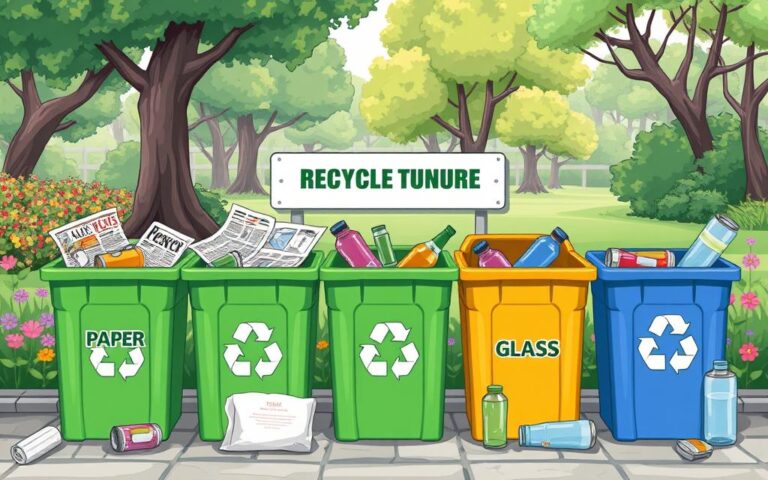
Use three bins: one for compost, one for recycling, and one for trash. A counter caddy in the kitchen makes composting easy. Look for community sites or city programs if you don’t have a yard.
Reducing Single-Use Plastics
Use reusable bags and bottles instead of single-use ones. Choose cloth bags for produce and beeswax wraps to cover food. Reusable utensils and straws also cut down on daily waste.
Buying in bulk saves plastic and money. Store bulk items in glass or metal containers for reuse. Picking products with less packaging also helps. The EPA says reducing waste at the source is best for saving money and the environment.
Upcycling Household Items
Upcycling gives old items new life in different ways. Turn glass jars into pantry containers. Make cleaning cloths from worn T-shirts. Wooden pallets can be made into garden beds.
Redo furniture with safe stains and sealers. Make sure food containers are safe. Fix structures in furniture and planters carefully. Groups like Freecycle and repair cafes share tips and items.
A 30-day waste-reduction challenge can inspire you to use less. Keep track of what you buy and the savings from reusing. Families often find they save money by avoiding single-use items and buying in bulk. Using less raw material also cuts factory and transport pollution.
| Strategy | Typical Monthly Savings (USD) | Primary Waste Diverted | Practical Tip |
|---|---|---|---|
| Backyard Composting | $5–$15 | Food scraps, yard waste | Use a tumbler and mix greens/browns weekly |
| Reusable Bags & Bottles | $10–$30 | Plastic bags, single-use bottles | Keep a bag by the door; carry a bottle daily |
| Bulk Buying | $15–$40 | Plastic packaging, small containers | Bring jars to refill stations |
| Upcycling & Repair | $8–$25 | Furniture, containers, textiles | Attend a repair cafe or watch tutorials |
| Community Drop-Offs | $0–$10 | Bulky items, electronics, batteries | Locate local centers for hard-to-recycle items |
Start with labeled bins and a list of local non-curbside drop-off centers. Plan a month-long waste-reduction challenge. These tips make homes more eco-friendly and help families live sustainably.
Energy Efficiency at Home
Small upgrades and steady habits can lower bills and reduce our carbon impact. Embracing energy efficiency means using tech and simple choices for a greener life. These steps are easy, impactful, and help save money over time.
Switching to LED Bulbs
LED bulbs save more energy than old bulbs, lasting up to 25,000 hours. They produce less heat and use 75% less energy. Choose ENERGY STAR-rated LEDs that fit the feel of each room and consider dimmable ones.
Changing lights in busy areas saves money fast. Use focused light only where needed. Combine LEDs with timers or sensors to cut unnecessary use.
Utilizing Energy-Efficient Appliances
ENERGY STAR appliances like refrigerators and washers use less energy. It’s crucial to get the size right for your needs. Too big or too small can waste energy.
Keeping appliances in shape is key: clean coils, replace filters, and more. Efficient washers and dryers save water and power. Look for rebates and tax breaks to lower costs.
Smart Home Technology
Smart thermostats like Nest and ecobee cut energy costs by adjusting settings automatically. They can save around 10–12% on heating and 15% on cooling, according to the U.S. Department of Energy.
Using smart plugs and energy monitors helps avoid wasted energy. Before joining utility programs, check that devices work well and protect your privacy.
Behavioral and Maintenance Tips
Everyday actions support green tech: turn off lights, use daylight, wash in cold water, and air-dry clothes. Keep your home sealed and well-insulated, and get HVAC checks regularly. Blending these efforts with smart tech fosters lasting green habits.
Green practices, like efficient appliances and a smart thermostat, can save a good amount each year. Even small actions can lead to big savings, proving the value of eco-friendly choices.
Water Conservation Practices
Small changes at home make a big difference. These changes reduce water use, lower our bills, and help the environment. Here are easy steps to start living greener today.

Fixing Leaks Promptly
Leaks at home are both common and costly. Even one dripping faucet can waste a lot of water over a year. And a leaking toilet? It can waste even more.
The U.S. EPA WaterSense program says fixing leaks can save a lot of water and money. Spotting leaks is easy. Just add food coloring to your toilet tank. If you see the color in the bowl, you have a leak. Check your water meter when you’re not using water. If it changes, you might have a leak.
Fix leaks by replacing valves, tightening lines, or changing old washers. If you can’t fix it, call a pro like Roto-Rooter or Mr. Rooter.
Installing Low-Flow Fixtures
Updating your fixtures can save water without losing performance. WaterSense toilets use very little water per flush. And low-flow showerheads and faucets reduce water use by a lot.
These new fixtures still feel strong because they mix air with water. Many people don’t notice the difference except in their bills. Sometimes, you can even get a rebate for installing WaterSense products.
Rainwater Harvesting Systems
Gathering rainwater is great for irrigation and safe, non-drinking uses. You can start with a simple barrel under your downspout for the garden. Or use a larger system for doing laundry or flushing toilets, if allowed.
Put your barrel on a solid base. Use a diverter to keep out leaves and debris. Make sure overflow goes somewhere safe. Always screen openings to keep mosquitoes away. Check your local rules before installing a big system. For using rainwater as drinking water, you’ll need to filter it and may need permission.
Seasonal and Landscape Tips
Choose plants that need less water and are right for your area. Cover soil with mulch to keep moisture in and weeds out. Set irrigation timers for early mornings to reduce water loss.
Combining smart landscaping with rainwater capture lowers water needs. Your yard will stay lush and green, even in dry times.
Economic and Environmental Impact
Using less water lowers your water and sewer bills. It also means you use less energy for heating water. And it reduces runoff, which helps protect our rivers and lakes.
By following these tips, you can save money and help the planet. Small steps and smart choices add up to big benefits for all of us.
Sustainable Food Choices
How we choose and eat food affects our carbon footprint and our budget. Using practical tips can reduce food miles, decrease packaging, and save on groceries. These methods easily become part of our daily eco-friendly habits, supporting the health of our planet over time.
Buying Local and Seasonal Produce
Shopping at farmers markets and local stores cuts down on food miles and waste. Local produce also lasts longer, which means less spoiling and more saving.
To find what’s in season, check local harvest calendars or use apps. Storing items properly and freezing extra food helps preserve them longer, saving money and reducing waste.
Reducing Meat Consumption
Livestock like cattle use lots of water and contribute to greenhouse gases. Eating more plants like beans and whole grains cuts environmental harm and grocery bills.
Trying Meatless Mondays or replacing a meat meal each week with a vegetable one can benefit both the planet and your wallet. This change also makes meals more diverse.
Planting a Home Garden
Even a small space can grow fresh herbs and veggies. You can use containers, raised beds, or vertical gardens. Starting with easy plants like basil or cherry tomatoes gives quick results.
Adding compost improves the soil, and planting in succession keeps the harvest going. Gardening reduces waste from packaging and transportation while saving money on produce over time.
Reducing Food Waste
Planning meals and storing food correctly stops waste. Keeping track of what you have prevents buying things you don’t need. Composting kitchen and yard waste helps your garden grow.
Economic Perspective and Sample Savings
| Action | Monthly Savings (1–2 people) | Monthly Savings (3–4 people) | Note |
|---|---|---|---|
| Buy seasonal/local produce | $15–$30 | $30–$60 | Lower prices, less spoilage |
| Reduce meat 2 meals/week | $20–$40 | $40–$80 | Swap to legumes and grains |
| Grow herbs/greens at home | $8–$20 | $15–$35 | Low startup costs, ongoing yield |
| Better storage & meal planning | $10–$25 | $20–$50 | Fewer thrown-away groceries |
Using these eco-friendly methods helps the planet and saves money. Small changes lead to big benefits, crafting a sustainable lifestyle that’s easy to follow.
Eco-Friendly Cleaning Alternatives
Cleaning routines are vital for indoor air quality and reducing household waste. This section offers easy, safe swaps that align with eco-friendly household tips. These swaps promote making eco-conscious choices. They guide you to gradually adopt green home practices without upsetting your daily life.
Natural Cleaning Products
Search for products with EPA Safer Choice, Green Seal, or ECOLOGO certifications. These labels guarantee ingredient safety and less environmental impact. They indicate lower volatile organic compounds (VOCs), fewer phosphates, and minimal harsh chemicals. Such cleaner options reduce chemical exposure for people and pets. They also lessen pollution flowing into rivers and city systems.
DIY Cleaners
Simple homemade recipes can save money over time. They use everyday items from your pantry. For cleaning surfaces, mix equal parts white vinegar and water in a spray bottle. But, don’t use vinegar on sensitive surfaces like marble or granite.
To scrub, dust the surface with baking soda and a few drops of castile soap. Scrub it off with a wet cloth. Use 3% hydrogen peroxide as a disinfectant. Apply it with a cloth or in a spray bottle, and leave for one minute.
Keep homemade cleaners in labeled, sealed containers out of kids and pets’ reach. Mixing vinegar with bleach is a no-go. Also, never mix ammonia with bleach as it creates toxic gases.
Benefits of Green Cleaning
Green cleaning reduces exposure to harmful chemicals. It leads to fewer smells and skin irritations. Pets also benefit by avoiding residues on floors and furniture.
Using microfiber cloths cuts down the need for chemicals. Opting for concentrated refills and reusable bottles reduces waste. In the long run, homemade and concentrated eco-products are cheaper than buying single-use cleaners.
Start small for the best results. Swap products one at a time. Test homemade cleaners in a small, hidden spot first. Start with replacing items that are highly toxic, such as oven and drain cleaners. For safe disposal of old chemical cleaners, use your local waste center’s guidelines.
| Cleaner Type | Common Ingredients | Primary Benefit | Estimated Cost (Monthly) |
|---|---|---|---|
| Commercial Green (certified) | Plant-based surfactants, citric acid | Low VOCs, labeled safety | $6–$12 |
| DIY All-Purpose | Vinegar, water, essential oil (optional) | Low cost, easy to mix | $1–$4 |
| DIY Scrub | Baking soda, castile soap | Effective abrasion without toxins | $1–$3 |
| Disinfectant | Hydrogen peroxide (3%) | EPA-effective germ control | $2–$5 |
For more tips and to build broader sustainable habits that complement your cleaning, check out this guide on sustainable home practices. Small adjustments in your cleaning habits can support lasting eco-friendly home practices. They also help Green practices become a regular part of your life.
Sustainable Home Decor Ideas
Your design choices can make your home comfy while helping the planet. Picking wisely reduces waste, saves money, and promotes sustainable habits. Even small changes in where you get things and how they’re finished can make eco-friendliness affordable for all budgets.
Choosing Recycled Materials
Consider using reclaimed wood floors, recycled glass countertops, and tiles made with used materials. These options are beautiful and use less energy. Look for special labels to be sure they’re truly recycled. You can find them at good prices at places like Habitat for Humanity ReStores and local salvage spots.
Furniture from Sustainable Sources
Choose furniture from responsibly managed forests or reused wood. Look for low-VOC glues. Brands that share how they get their materials make it easier for you to shop ethically. Buying secondhand from stores or online can also help the environment and your wallet.
Eco-Friendly Paint Options
Paints that have little or no VOCs are better for the air in your home and the environment. Well-known brands like Benjamin Moore Natura and Sherwin-Williams Harmony are good choices. Getting the surface ready properly and using good primers can make your paint job last longer, which supports eco-friendly living.
Choosing durable and classic designs means you’ll buy less over time. Using neutral colors, furniture that can be rearranged, and items with more than one use can make your home look great without extra waste. Updating over time and focusing on big items like couches can help your budget and the earth.
| Category | Practical Options | Benefits | Where to Source |
|---|---|---|---|
| Recycled Surfaces | Recycled glass counters, tiles with post-consumer content | Lower embodied energy, unique textures, reduced landfill waste | Specialty suppliers, salvage yards, ReStores |
| Sustainable Furniture | FSC-certified wood, reclaimed pieces, low-VOC adhesives | Verified responsible forestry, longer lifespan, healthier indoor air | Ethical brands, consignment shops, online secondhand marketplaces |
| Paint & Finishes | Zero/low-VOC paints (Benjamin Moore, Sherwin-Williams, ECOS) | Improved indoor air quality, reduced rework | Home centers, eco paint retailers |
| Budget Strategies | Phased updates, focus on sofa and mattress, thrift finds | Controlled spending, less waste, longer product life | Habitat ReStore, local thrift stores, clearance sections |
Responsible Waste Management
At home, setting the stage for responsible waste handling involves simple steps. Having a plan for recycling, handling hazardous stuff safely, and getting rid of electronics the right way shows how green habits are doable for all families.

To start recycling at home, you’ll need a few bins with labels. Have different bins for paper, cardboard, glass, plastic, metals, and food waste in spots where they’ll be used most. Keeping bins for food packaging in the kitchen and having a space in the garage for everything else is smart.
Here’s how to set it up:
- Pick bins that are sturdy and have clear labels for each category.
- Keep a main sorting spot in the kitchen and another in the garage or utility space.
- Make sure signs and pictures are easy to understand to avoid confusion.
- Regularly, take the recyclables out to your curbside bins or local drop-off spots.
Implementing a Recycling System
When households embrace earth-friendly habits, it’s easier for everyone to follow. Using color codes and simple instructions helps. Remember to rinse out food containers and squash cardboard boxes to make more room. If you have a program for organic waste, use a small bin for food scraps.
Understanding Local Recycling Rules
Recycling guidelines vary by area, so it’s important to know what your city accepts. Most places have websites that list what you can recycle, how to prepare items, and pick-up schedules. If you’re unsure, reaching out to your city’s recycling coordinator can help.
Not following rules can lead to entire batches of recyclables being thrown away. Common issues include leftover food on items, mixing materials, and wrong plastics. Ensuring everyone in your home knows what goes where is key to keeping the recycling program effective.
How to Recycle Electronics Properly
Electronics have metals and harmful substances that need careful handling and should not be thrown in with regular recycling. Programs by Apple and Best Buy are good options for recycling various devices correctly.
You can also look for local electronic waste events or recyclers who meet specific standards like R2 or e-Stewards. If your gadgets still work, think about giving them to Goodwill or a school. Recycling them the right way helps recover important metals and keeps harmful elements out of the environment.
For items like batteries, lights, paint, and other hazardous waste, check out retail programs or your local drop-off spots for safe disposal. Call2Recycle has a program for recycling many types of rechargeable batteries.
Keep track of your recycling efforts by weighing what you divert from trash or using apps that show local recycling info. Aiming to reduce the amount of trash you produce every month encourages green habits and offers practical tips for living more sustainably.
| Item | Where to Dispose | Prep Required | Notes |
|---|---|---|---|
| Paper & Cardboard | Curbside or drop-off | Flatten, remove food residue | Keep dry to avoid contamination |
| Glass | Curbside or drop-off | Rinse, remove lids if required | Separate by color if local rules ask |
| Plastics & Metals | Curbside or drop-off | Rinse, check resin codes | Some plastics are not accepted curbside |
| Organics | Compost bin or municipal program | Use compostable liners if allowed | Diverts significant pounds from landfill |
| Electronics | Manufacturer take-back, certified recycler | Remove personal data, batteries separate | Recovers metals, prevents toxins in landfill |
| Batteries & Lamps | Retail take-back or hazardous drop-off | Store safely until drop-off | Call2Recycle accepts many battery types |
Sustainable Transportation Options
Making daily travel more eco-friendly can save money and cut emissions. There are practical, green choices for busy lives. Families can make a big difference with small changes in how they travel, plan, and use work programs.
Carpooling and Ride-Sharing
Carpooling and ride-sharing lower each person’s emissions. Plus, they cut down on fuel and parking costs. People using work commute programs or tax-friendly transit plans can save a lot every month. Services and apps, like Waze Carpool, match carpoolers easily. In some places, you can use HOV lanes, which saves time and reduces stress.
Biking as an Alternative
Biking is great for short trips without polluting. Cargo bikes are handy for shopping or taking kids along. E-bikes make it easier to cover longer distances and climb hills. Some areas offer deals to help buy them.
Always cycle safely with helmets, lights, and obey bike laws. Keep bikes secure to avoid theft. Planning helps avoid busy roads, making biking faster and safer.
Public Transportation Benefits
Public transit like buses and trains has lower emissions per rider than driving alone. It’s often cheaper than paying for gas, upkeep, and parking. Plus, you can use bikes or scooters for the parts of your trip transit doesn’t cover.
Look up schedules and discounts before buying a transit pass. Mixing some transit use with working from home or doing errands together can lessen car use. This saves money and reduces emissions.
For more eco-living tips, check out sustainable living guides. Less driving, combining deliveries, and remote work can reduce commute pollution by 20% for many.
Living greener saves on fuel and upkeep, and might lower insurance costs. Over time, it also decreases your carbon footprint and improves life.
Eco-Friendly Home Improvements
Improving your home can lower your bills and help the environment. Planning carefully makes eco-friendly living comfortable and saves money. An audit helps find the best upgrades for your budget and local weather.
Energy Retrofits
Energy retrofits improve your home’s insulation and seal it from leaks. Common steps include adding insulation, sealing gaps, and updating windows. Switching to a high-efficiency HVAC can also save a lot of money.
Getting a professional energy audit can help sort out the most important updates. Some updates pay off quickly, while others, like a new HVAC system, take longer. Money back from the government can help make these updates more affordable.
Installing Solar Panels
Solar panels on your roof can turn sunlight into electricity and lessen reliance on the grid. The size and type of system you need depends on how much electricity you use and the layout of your roof.
The cost varies, but government tax credits and state benefits can reduce prices. Some places let you earn credit for extra energy you produce. There are several ways to pay for solar panels, including loans and leases. They can save you money over time and might increase your home’s value.
Green Roofs and Walls
Green roofs can be simple, with just a thin layer of soil, or more involved, supporting whole gardens. Living walls also bring greenery to the sides of buildings.
These features offer better insulation, manage rainwater, cool cities, and support plants and animals. Installing them might require checking your home’s structure and can be pricey. Some cities provide incentives to encourage green roofs.
Prioritization and Planning
After an audit, start with easier projects like sealing leaks or updating lights. When choosing projects, think about your local weather. Always check for needed permits and hire qualified contractors to avoid problems.
Long-Term Return on Investment
Smart upgrades can reduce your bills, make your home more comfortable, and increase its value. Combining several eco-friendly improvements leads to ongoing savings and draws buyer interest if you sell. Eco-friendly choices lead to savings and benefits for the environment.
Long-Term Eco-Friendly Habits
Starting eco-friendly habits is all about simple steps. Use checklists for checking energy each month and doing seasonal upkeep. This keeps green habits strong. Use apps or smart-home reminders to watch energy and water use, plus how much you throw away. It keeps you motivated too.
Maintaining Consistent Practices
Even small steps are important. Set a time each week to look at how much water and energy you use. Keep a log with an app or on paper. It shows what’s working and what you can change.
Involving the Family in Eco-Friendly Choices
Getting everyone involved makes eco-living a shared value. Give kids tasks like sorting recycling or growing veggies. Then, challenge each other to use less energy. Doing projects together, like composting or walking in nature, teaches care for the environment.
Educating Others About Sustainability
Talking about your eco-successes can inspire others. Hold workshops on fixing clothes or making compost. Talk about how being eco-friendly saves money and is better for health at community meetings. Join local groups focused on sustainability. Sharing clear, easy-to-understand messages helps convince others to live greener.
Regularly checking your goals and celebrating achievements keeps you going. Moving from doing eco-friendly things alone to working with your community makes a lasting impact. This way, green habits lead to savings, healthier living spaces, and helping the planet over time.