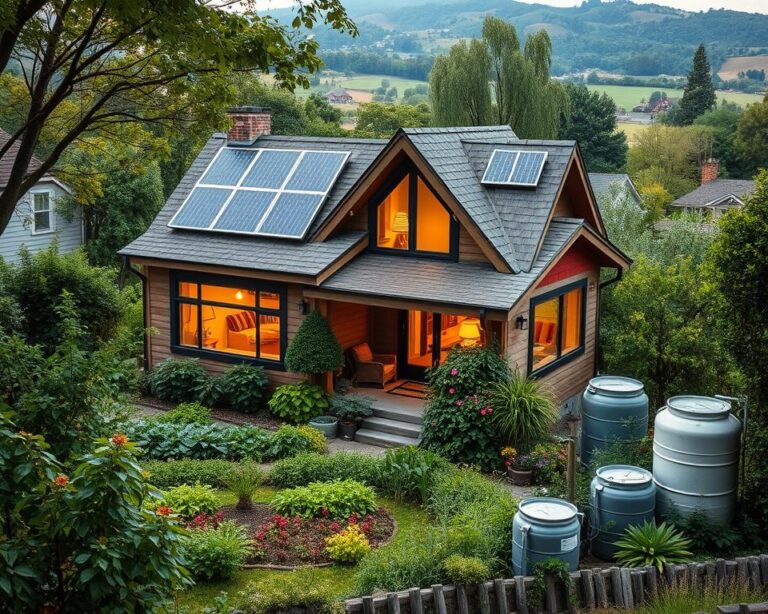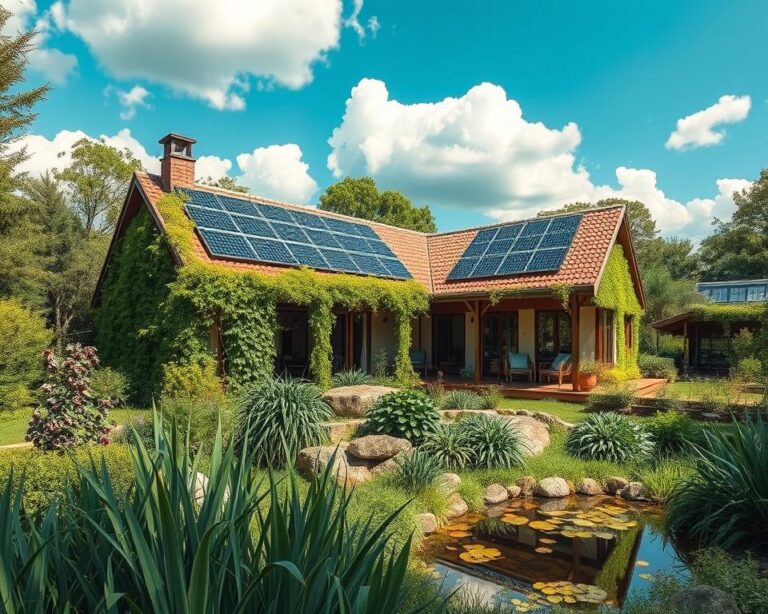

This guide shows how green home improvements can boost your home’s resale value. They can also lower your bills and be better for the planet. It’s for homeowners, real estate investors, remodelers, and eco-conscious consumers in the U.S.
Green home improvement projects help use less energy and water. They use materials that are better for the earth, improve the air inside homes, and include renewable energy or smart tech. The main goals are making homes last longer, use resources wisely, be healthy to live in, and easy to sell.
These projects can make utility bills go down and home values go up. They might also qualify for money-back offers from the government. This article will cover how eco-friendly renovations benefit you, how to make your home more energy-efficient, use materials that are good for the earth, save water, and more.
The story will talk about things like eco renovation ideas and making homes eco-friendly. This is to help it show up in searches while giving homeowners concrete steps they can take right now.
Key Takeaways
- Green home improvement projects cut operating costs and boost resale appeal.
- Sustainable home upgrades include energy, water, materials, and ventilation improvements.
- Eco renovation ideas range from insulation and windows to solar and smart controls.
- Measurable benefits: lower bills, higher appraisals, and eligibility for incentives.
- Audience: U.S. homeowners, investors, and remodelers seeking cost-effective, evidence-based strategies.
Understanding the Importance of Green Home Improvements
This guide shows why it’s smart to choose sustainable home upgrades. These upgrades save money and help the planet. Doing both small changes and big remodels can cut your bills, make your home more comfortable, and increase its value.
Economic Benefits of Eco-Friendly Renovations
Spending money on energy-saving home improvements can lead to savings every month. For example, replacing old heating and cooling systems, adding insulation, and using LED lights can significantly lower your energy bills. This depends on what you choose and where you live.
Home upgrades that are certified can also increase your home’s resale value. Studies from the U.S. Department of Energy and the National Association of Realtors have shown that homes with energy-efficient features like ENERGY STAR appliances or solar panels are more attractive to buyers. They can also sell for more money.
When you look at the whole life of the product, you see the real cost. Even if something is more expensive at first, it can save you money in the long run. This is because it costs less to run and lasts longer. So, over 10 to 30 years, you spend less overall.
Homes that meet green standards like ENERGY STAR, LEED, or NGBS can be sold faster and for a higher price. Real estate agents like to advertise these homes as ready-to-move-in and energy-efficient. This attracts buyers who want to save on running costs.
Environmental Impact of Home Improvements
Making your home more energy-efficient lowers harmful gas emissions. It reduces the need for fossil fuels used in heating, cooling, and electricity. Homes use a lot of energy in the U.S., so making improvements can really make a difference.
Water-saving updates also help the planet. They reduce how much water cities need and lessen flooding risks. Using things like low-flow showers and rain barrels cuts down on water use inside homes and reduces overflow outside.
The materials you choose can also affect the environment and your health. Options like reused wood, bamboo, and low-VOC paints help prevent tree cutting, reduce trash, and cut down on harmful emissions. This makes the air cleaner and saves resources.
Eco-friendly renovations are good for the whole community. They can lead to less energy needed during peak times, make neighborhoods better prepared for power outages, and support a market for clean energy. When lots of people make eco-friendly choices, it becomes easier and cheaper for everyone to upgrade their homes.
| Upgrade | Typical Upfront Cost Range | Annual Savings | Primary Benefit |
|---|---|---|---|
| Heat pump HVAC replacement | $6,000–$15,000 | $400–$1,200 | Heating and cooling efficiency |
| Attic and wall insulation | $1,000–$6,000 | $150–$600 | Lower heating/cooling demand |
| LED lighting retrofit | $200–$1,000 | $50–$200 | Reduced electricity use |
| Solar photovoltaic system | $10,000–$30,000 | $600–$2,500 | On-site renewable energy |
| Low-flow plumbing fixtures | $150–$1,200 | $30–$200 | Water conservation |
Energy-Efficient Upgrades for Homes
Energy-efficient upgrades make homes more comfortable and lower electricity bills. They also make your home more attractive when it’s time to sell. Homeowners see a quick return on investments like sealing air leaks, adding insulation, installing high-performance windows, and smart thermostats. This guide explains practical steps, expected savings, and how each upgrade can be eco-friendly.
Insulation Improvements
There are different insulation materials, such as spray foam, cellulose, fiberglass batt, and rigid foam. Spray foam fills cracks and provides high insulation value. Cellulose, dense and great for attics and walls. Fiberglass batt is affordable and fits between studs. Rigid foam is best for basement walls and rim joists.
The R-value is how we measure insulation’s effectiveness. The U.S. Department of Energy recommends higher R-values for colder areas, for attics and walls. Besides, air sealing is essential to avoid drafts and heat loss. Even small gaps around windows and doors can lower your insulation’s effectiveness.
Adding insulation and sealing leaks in your attic can cut your energy bills. You might save 10% to 20% on heating and cooling. The typical payback period for attic insulation is three to seven years, based on local energy costs and weather.
Energy-Efficient Windows
High-performance windows use double or triple glass, special coatings, and insulated frames. They keep heat in (or out) and prevent moisture problems. Such windows also cut down on drafts and make your home feel better.
There are two ways to install new windows: replacing the entire window or retrofitting. Replace the entire unit if the frame is bad. If the existing frame is okay, retrofitting is a cheaper solution. New windows can lower your heating and cooling needs, saving a significant amount of energy.
ENERGY STAR ratings make it simpler for homeowners to pick windows. Find windows with the right U-factor and Solar Heat Gain Coefficient for your area. Picking the correct window specs cuts summer glare and winter heat loss.
Smart Thermostats
Smart thermostats from companies like Nest, Ecobee, and Honeywell learn your schedule and let you adjust settings from anywhere. These devices reduce waste, especially when your home is well-insulated and has efficient cooling and heating. They allow you to program temperatures and track energy use.
Savings from smart thermostats range from 6–15% on heating and about 10% on cooling. This is when used with effective HVAC systems. Adding zoning systems and integrating with HVAC controls can increase these savings. Some utility companies offer incentives to customers for allowing remote adjustments during high-demand periods.
| Upgrade | Key Features | Typical Energy Savings | Common Payback |
|---|---|---|---|
| Attic Insulation + Air Sealing | Blown cellulose or spray foam; seal attic access and penetrations | 10–20% of heating/cooling | 3–7 years |
| Wall Insulation | Blown-in cellulose or retrofit foam; target exterior walls | 5–15% depending on existing condition | 5–12 years |
| High-Performance Windows | Double/triple glazing, low-E, argon fill, insulated frames | Up to 10% on overall energy use in many climates | 7–20 years |
| Smart Thermostat | Learning schedules, remote control, HVAC integration | 6–15% heating; ~10% cooling | 1–3 years |
| Basement/Crawl Space Insulation | Rigid foam or spray foam at walls and rim joists | Reduces moisture and heating load | 5–10 years |
Choosing Sustainable Materials
Choosing the right materials is key for your home’s long-term success. This guide showcases sustainable options for home upgrades. It combines style and durability for green building and eco-friendly renovations.
Bamboo flooring options
Bamboo grows quickly, making it a sustainable choice. It’s as tough as oak but offers more styles. Strand-woven bamboo is dense and resists scratches well.
Look for FloorScore or GREENGUARD certifications to lower exposure to harmful emissions. Some bamboo floors use more glue. Pick brands that are open about their processes and do third-party tests.
Take care of bamboo floors by sweeping or vacuuming often. Clean with a mild cleaner on a damp mop. Proper care helps bamboo floors last as long as traditional wood. This makes them great for eco-friendly updates in living spaces and hallways.
Reclaimed wood uses
Reclaimed wood has history. It comes from old buildings and adds character with its unique look. Using it helps to reduce new logging and carbon footprint.
It’s used for floors, walls, beams, cabinets, and unique furniture. Checking the wood for damage or pests is vital. A professional can ensure it’s good for use.
Choosing reclaimed wood might cost more. But its unique style and eco-benefits often make it worth the price for green renovations.
Low VOC paints
Low-VOC paints cut down on harmful air emissions, making your home’s air cleaner. This is especially good for sleeping areas and rooms for kids.
Search for Green Seal or GREENGUARD Gold certified paints. Use them with a quality primer for best results. Brands like Benjamin Moore and Sherwin-Williams meet eco-friendly standards.
Paint in steps, allowing fresh air in. Use smooth rollers for an even finish. Let paint dry fully to reduce fumes. These tips help finishes last and are perfect for eco-friendly home makeovers.
| Material | Key Benefits | Certifications to Seek | Typical Uses |
|---|---|---|---|
| Bamboo (strand-woven) | Rapidly renewable, high hardness, durable | FloorScore, GREENGUARD | Flooring, stair treads, trim |
| Bamboo (horizontal/vertical) | Distinct grain, lower cost, moderate durability | FloorScore, GREENGUARD | Flooring, panels |
| Reclaimed wood | Lower embodied carbon, unique aesthetics | Salvage dealer verification, mill inspection | Accent walls, beams, cabinetry, furniture |
| Low-VOC paint | Improved indoor air quality, reduced odor | Green Seal, GREENGUARD Gold | Interior walls, ceilings, trim |
| Primer (low-VOC) | Better adhesion, reduces coats needed | Green Seal, GREENGUARD Gold | Undercoats for all painted surfaces |
Water Conservation Techniques
Water saving methods are important for eco-friendly home improvements. They can also cut down on utility costs. Plus, they make a home stronger over time. Small changes can make a big difference. They work well with other green upgrades to lower water and energy use.
Low-Flow Plumbing Fixtures
Low-flow toilets, showerheads, and faucets help save water without losing performance. EPA WaterSense toilets use 1.28 gallons per flush or less. WaterSense showerheads use 2.0 gallons per minute or less. Faucets with aerators typically use 1.5 gallons per minute or less.
Updating old fixtures is easy. You can add aerators, change parts, or replace toilets with WaterSense models. Brands like Kohler and American Standard are good choices. These updates cut water and heating costs. They’re smart moves for an eco-friendly home.
Rainwater Harvesting Systems
Rainwater systems collect water from roofs. You can use it for watering plants and other needs. It needs gutters, a tank, a first-flush diverter, plus filters and pumps.
The cost depends on the system size. A small cistern might cost a few hundred dollars. Big systems for watering or using in toilets can cost more. Cleaning and maintenance are important for keeping it working well.
Some places have rules about using collected water. Often, you can use it for watering or flushing toilets but not drinking without treatment. Check local rules before setting up a system.
Using low-flow fixtures and collecting rainwater saves money and helps the environment. It also means your garden does better in dry times. Adding these water-saving methods to your home is a good part of going green. It helps make eco-friendly home improvements more valuable in the long run.
Incorporating Renewable Energy Solutions
Switching to renewable energy gives homeowners cost-effective choices. These choices can reduce utility bills and increase home value. This section provides steps for adding solar and wind power to eco-friendly home projects. It includes site evaluations, cost assessments, securing permits, and choosing the right equipment for energy-efficient upgrades.
Solar systems use panels that convert sunlight into electricity. Homeowners can get credits for any extra power they generate. The suitability of solar options, like rooftop panels or solar shingles, depends on several factors. These include roof orientation, tree shading, and the roof’s condition.
While initial costs for solar energy can be high, there are ways to save. Homeowners can take advantage of the federal Investment Tax Credit and state rebates. It’s also smart to plan for other expenses like permits and battery storage options for extra power security.
Working with local solar companies can make installation easier. They handle the permits and connect you to the power grid. Regular maintenance is simple and keeps your solar system working well.
Small wind turbines are best suited for areas with consistent winds. They work well in wide-open spaces, but zoning laws and visual concerns must be considered. Noise is also a factor for homeowners to think about.
Setting up wind power can be more complex than solar. It often requires tall towers and expert wind assessments. In cities, wind power faces challenges like turbulence and zoning restrictions. However, in remote locations, combining wind turbines with solar panels can ensure a more reliable power supply.
When deciding between solar and wind, consider the benefits of each. Solar power is usually easier to set up and more widely accepted. Wind power can be a good investment on large rural properties with consistent winds. Both options support the move towards more eco-friendly homes.
Landscaping for a Sustainable Home
Landscaping for a sustainable home is about mixing beauty with usefulness. It aims to reduce water use, cut down on energy bills, and help local ecosystems. A well-thought-out design not only looks good but also supports eco-friendly renovation ideas. These ideas help in saving on resources and maintenance over time.

To begin, homeowners should choose plants that fit their local climate and soil. By using plants native to the area, you cut down on water, fertilizer, and help local wildlife like bees and butterflies.
In the Midwest, prairie grasses are a good choice. In California, plants from the Mediterranean area that don’t need much water do well. You can get lists of suitable plants and when to plant them from state services and native plant groups.
Techniques like xeriscaping, rain gardens, mulching, and drip irrigation work well. They help save water and make your home look better. These methods also match the bigger goal of making your home more eco-friendly.
Native Plant Landscaping
Pick plants that naturally grow in your area to make caring for them easier and improve the environment. Using native shrubs and flowers can help cut down on weeds and maintenance.
Grouping plants, planning for different seasons of bloom, and adding plants that attract local butterflies can increase nature’s variety. For advice on what to plant, reach out to local offices or nurseries that specialize in native plants.
Permeable Pavers for Driveways
Using permeable materials for driveways lets rainwater seep into the ground. This helps reduce runoff and refills underground water sources. Options include special concrete, pavers, and asphalt that lets water through.
To install them right, a carefully designed base is needed, and you have to choose the right material for the spaces between pavers to prevent blockages. To keep them working well, they should be cleaned with a vacuum or pressure washer regularly.
Choosing permeable options might get you local credits for managing stormwater. They’re as good for the environment as traditional driveways, offer many design choices, and last a long time with the right care for cold weather.
Green Roof Options
Green roofs can be simple, needing little care, or more complex, allowing for gardens. Simple roofs use a thin layer of soil and plants that survive droughts. The more complex ones can support bigger plants and even be used as outdoor areas.
They offer good insulation, hold back stormwater, and lower the heat in cities. Plus, they’re good for animals and can make roofs last longer. This is true if they’re set up with the right waterproofing and protections against roots.
When thinking about a green roof, consider how much weight your roof can hold, keeping it waterproof, and the upkeep needed. The cost of adding a green roof varies, so talking to experts in roofing and structure can help homeowners understand what’s involved and the benefits.
| Feature | Benefit | Typical Cost Range | Maintenance |
|---|---|---|---|
| Native Plant Landscaping | Lower water use; habitat for pollinators | $500 – $5,000 (depends on scale) | Seasonal pruning, mulching |
| Permeable Pavers | Reduces runoff; recharges groundwater | $8 – $20 per sq ft | Occasional vacuuming, joint care |
| Extensive Green Roof | Lightweight; low maintenance; stormwater retention | $10 – $25 per sq ft | Annual inspections, minimal weeding |
| Intensive Green Roof | Usable green space; supports diverse plantings | $25 – $100+ per sq ft | Regular irrigation, structural checks |
Smart Home Technology for Efficiency
Smart upgrades transform regular homes into dynamic spaces that save energy and boost comfort. These upgrades allow homeowners to make informed decisions for eco-friendly remodeling and everyday living.
Home automation systems manage lights, shades, heating, cooling, and more to reduce energy while keeping you comfortable. For example, Philips Hue smart lights turn off in empty rooms. On hot days, motorized window shades close to keep your home cool. Nest thermostats adjust the temperature based on whether someone is in the room.
Platforms like Amazon Alexa, Google Home, and Apple HomeKit work with various devices. They connect with Lutron switches and Philips Hue bulbs for easy control. They also allow you to set schedules, create scenes, and use geofencing to save energy and fit your lifestyle.
Energy monitoring devices help you see where you’re using the most power. This makes it easier to find ways to save. Products like Sense, Emporia, and TED track overall and specific usage. Smart plugs and meters let you know which appliances use too much electricity. This info helps you decide if you should fix, replace, or use an appliance differently.
This data also aids in calculating savings, getting rebates, and setting up smart reactions, like reducing air conditioning when electricity costs more. By using plans that charge less at certain times and joining demand-response programs, you can save money. Sometimes, you might even get paid by your utility company.
Starting your eco-friendly remodeling with automation and monitoring makes your home smarter and more efficient. Choosing the right platforms and gadgets leads to real savings and a home that meets your comfort and energy-saving goals.
The Benefits of Indoor Air Quality Improvements
Improving the air inside your home brings health and comfort gains. It makes your place more appealing to live in and sell. Upgrades like reducing allergens and harmful compounds help the planet too. They can also raise your home’s resale value.
Cleaning the air and managing airflow makes homes nicer to live in. Choosing the right gear, keeping it in shape, and using smart whole-home tactics ensure top-notch air quality. Homeowners learn to weigh costs against the benefits of clear air.
Air Purifiers and Filtration Systems
HEPA filters catch tiny particles, making them great for personal rooms. MERV-rated filters in central air systems balance good airflow with particle trapping. They catch dust and pollen without stressing the system.
Whole-home vents swap inside air with fresh outside air without losing too much energy. ERVs and HRVs are types that save heat or moisture. ERVs are best for humid places, while HRVs are for dry, cold areas.
Keeping filters fresh is key. Follow the maker’s advice for your HEPA unit or HVAC system. This routine keeps the air clear of allergens and irritants, aiding those with asthma or allergies.
Green Cleaning Products
Using eco-friendly cleaners reduces harmful chemicals in your home. Look for seals like EPA Safer Choice or Green Seal on products. They avoid strong chemicals and scents.
Good habits help these products work better. Air out spaces when cleaning or painting. Choose unscented items and use efficient cleaning tools like microfiber cloths. This lowers waste and chemical exposure.
Adding green cleaning supplies to everyday use boosts air quality. This, along with smart air management, supports green living goals. It also makes homes more pleasant and appealing over time.
Financial Incentives for Green Upgrades

Homeowners have access to programs that make green home improvements more affordable. These programs, offered by federal, state, and local entities, reduce the cost of energy-saving appliances, insulation, and renewable energy systems.
Federal tax credits
The federal government provides tax credits for things like solar panels, solar water heaters, efficient HVAC units, and certain battery storage. With the Inflation Reduction Act, some details have changed. So, it’s important to check with the IRS and the U.S. Department of Energy for the latest info on what’s covered and how much you can get back.
Homeowners should save their receipts and any manufacturer certification statements. Keeping the right tax forms handy is also crucial. Since some credits have limits or may decrease over time, keeping careful records is key to getting the most benefit.
Local rebates and incentives
Local groups like state energy offices and utilities offer deals on things like insulation, efficient heat pumps, ENERGY STAR appliances, and windows. Offers can vary greatly depending on where you live and might include instant discounts, rebates by mail, or special deals from contractors.
Some programs pay you based on how much energy you save or generate. Look up your options on DSIRE and check with your local utility to see what’s available. Other perks might include not having to pay certain building fees, getting permits faster, and special financing options like PACE, which lets you pay over time. Teaming up local incentives with federal tax credits can often save you even more money on green upgrades.
| Incentive Type | Typical Eligible Upgrades | Documentation Needed | Potential Benefit |
|---|---|---|---|
| Federal Tax Credits | Solar PV, solar water heating, battery storage, energy-efficient HVAC | Receipts, manufacturer certification statements, IRS tax forms | Percentage of cost; may include phase-down schedules and lifetime caps |
| State/Utility Rebates | Insulation, heat pumps, ENERGY STAR appliances, efficient windows | Proof of purchase, contractor invoices, product model numbers | Upfront discounts or mailed rebates that reduce project cost |
| Performance-Based Payments | Solar exports, demand-response-ready devices | Interconnection agreements, metering data, program enrollment | Ongoing credits or payments tied to energy production or demand reduction |
| Local Permitting & Financing | Approved green renovations and renewable installations | Permit approvals, financing applications (e.g., PACE) | Fee waivers, faster permits, long-term financing to ease cash flow |
Planning and Budgeting for Green Renovations
Start with clear goals and measurable targets for your green renovation. Think about energy, water, materials, and indoor air quality. These will help make smart choices.
Getting a certified energy audit can show which updates are worth it. They rank improvements by cost, effect, and how quickly they pay off. This makes planning based on facts, not guesses.
Setting Sustainable Goals
Choose your main goals first. This could be using less energy, hitting a certain HERS score, or using less water. Setting clear targets helps keep the project on track.
Be realistic about the timeline. Smaller homes might reach their energy goals fast. Bigger projects could take years. Match your home improvements to your future plans.
Consider your climate and how you live. Heat pumps are great for mild climates. In areas needing a lot of water, systems to catch rainwater are worthwhile. This way, you avoid unnecessary costs.
Cost-Effective Green Solutions
Start with the easy wins that don’t cost much. Things like LED bulbs, air sealing, and low-flow faucets can save money right away. These simple steps can quickly reduce your bills.
Always get several bids to compare. Spreading out the work can help manage costs. Make sure to check out rebates, tax credits, and financing options.
For big projects, calculate how long they’ll take to pay off. Use simple math to see if an upgrade is a good deal in the long run. This helps decide if bigger changes are affordable.
Maintain good records of all your efforts. Documentation is key for permits, rebates, and if you decide to sell. It proves the value of your green updates.
Partnering with Green Certified Professionals
Choosing the right team is key to successful green building projects. Look for contractors who have a track record, know energy modeling, and care about air quality during construction. These steps help avoid unexpected issues and make sure the project’s value lasts.
To find the right contractors, start with those who have solid credentials. Look in directories from the Building Performance Institute or the National Association of Home Builders Green Professionals. Also, check local utility contractor lists. Ask to see their work, like blower door tests, HERS reports, or similar metrics, to show they get real results.
When vetting contractors, do it step by step. Make sure they’re licensed and insured. Ask for references and recent project pictures. Insist on a detailed plan, timeline, and warranty information. Find out about their subcontractors, where they get their materials, and how they’ll keep dust and VOCs low during construction.
Finding Qualified Contractors
Begin with trade associations and lists of credentials. Then, pick contractors with experience in green projects. Choose those who have proof of their work, like third-party verification, and who do performance tests. Ask for examples of how they’ve saved energy and water in past projects.
- Make sure they have the right licenses, bonds, and insurance.
- Ask for test results like blower door or HERS scores.
- Insist on a clear contract that includes milestones, warranties, and policies for changes.
- Check that subcontractors have insurance and follow safe work practices.
Understanding Green Certifications
Certifications help show the achievements of a home. ENERGY STAR covers home and appliance energy performance. LEED for Homes looks at energy, water, materials, and air quality inside. The National Green Building Standard and Passive House focus on energy, durability, and comfort. RESNET HERS gives an energy rating. BPI certifies those who test and improve homes.
Homeowners must weigh the pros and cons of official certifications against practical improvements. Always ask for proof when a contractor claims to have certifications or measured results. Certifications can increase a home’s resale value and prove claims about its efficiency and health benefits.
| Certification | Primary Focus | What to Request from a Contractor |
|---|---|---|
| ENERGY STAR | Home and appliance energy performance | Certificate, HERS or EnerGuide equivalent, installed product lists |
| LEED for Homes | Energy, water, materials, indoor air quality | Project checklist, certification level, third-party verification reports |
| Passive House | Ultra-low energy use and airtightness | Modeling results, blower door data, certified designer/consultant |
| RESNET HERS | Indexed energy rating | Final HERS score, diagnostic test reports, field verification |
| BPI | Testing, auditing, retrofit quality | Certifications for auditors/contractors, scope of testing, remediation plan |
For those looking for trusted professionals and an overview of programs, go to partner resources. This site shares info on programs and standards for choosing firms and understanding certifications.
Working with green certified professionals and picking the right contractors makes projects go smoothly and leads to better results. Having clear contracts, goals you can measure, and proof of work ensures that green building upgrades give the savings and healthier homes expected.
Measuring the Long-Term Value of Green Projects
To find the long-term value, we need clear metrics. Homeowners and investors can look at their energy bills before and after. They can figure out when they’ll get their money back, using math that includes upkeep and how long things last. Simple changes like LED lights and smart thermostats pay off in 1–3 years. Adding insulation and sealing leaks can pay back in 3–7 years. Solar power might take 5 to 15+ years, based on local electricity costs and any incentives.
Keeping track is key to staying accurate. Using energy meters, regular check-ups, and keeping track of savings makes sure eco-upgrades are worth it. Big overhauls that improve the building’s shell, heating, and water systems save more money over time and make homes more attractive to buyers.
Green houses are becoming more popular. Studies, including one from the National Association of REALTORS®, say they sell faster and at higher prices. But, it depends on where you live. Homeowners should look into their local market’s interest in green living and upgrade their homes to match.
How you sell these features is important. Listing energy expenses, showing eco-certifications, and sharing actual performance can make a home stand out. For wider strategies and goals on green building, check out Canada’s green building strategy here. Smart, eco-friendly home improvements line up with what buyers want. This means homes sell faster and earn back more over their lifetime.