
This guide gives families across the U.S. easy ways to use less water while staying comfy. It talks about simple actions and small costs that can lower bills and help during droughts. These steps also put less pressure on city water supplies.
Cutting down on water use means we save energy on cleaning and moving water. This results in fewer harmful gases in the air. For both homeowners and renters, changing fixtures and habits can make a big difference without giving up comfort.
We look at ways to save water inside and outside your home. There are tips on checking water use, using tech to manage it, collecting rainwater, and changing daily habits. The article is helpful for those looking to save money with things like low-flow fixtures and for anyone wanting easy water-saving tips to try now.
We tell readers to check out EPA WaterSense, local water rebates, and ENERGY STAR for more info and perks. The guide helps you understand how much water you’re using and how to improve. It shares ways to fix your home, change your water habits, manage your garden watering, and keep track of your success. This way, you’ll feel confident in taking steps to save water.
Key Takeaways
- Reducing household water usage can lower bills and ease municipal supply stress.
- Small investments, like WaterSense fixtures and ENERGY STAR appliances, yield big savings.
- Behavior changes and simple audits help track efficient water usage at home.
- Outdoor practices and rainwater capture improve drought resilience and conservation.
- Smart meters and apps make monitoring water use easier and more accurate.
Understanding Household Water Usage
Homes use water in many ways. Tasks like toilets, showers, and laundry are big indoors. Outside, watering lawns, pools, and washing cars can add a lot more use, especially when it’s dry.
Common Sources of Water Consumption
Toilets, showers, and laundry are big water users inside. Things made before 1994 or that aren’t efficient use more water. Toilet flapper leaks, faucet leaks, and irrigation leaks can silently increase use. Even little drips can waste lots of water each day.
Outside, irrigation can use a lot of water seasonally. Sprinklers that run badly or at bad times waste water. Pool cleaning and car washing also increase use. Knowing these sources helps families use less water.
Average Water Use in American Households
The EPA says the average family in the U.S. uses about 300 gallons of water daily. This changes with how many people live there, the weather, and yard size. Dry places or homes with big yards often use more water outside in summer.
Knowing your starting point helps you change. Checking your water meter, looking at city water data, and keeping a water log for a week show normal use. This helps families use water better and be more sustainable.
| Category | Typical Share of Indoor Use | Notes |
|---|---|---|
| Toilets | 24% | Older models use 3.5–7 gallons per flush; newer WaterSense models use ≤1.28 gpf |
| Showers | 20% | High-flow showerheads use 2.5+ gpm; low-flow options reduce usage significantly |
| Laundry | 17% | Older top-load washers use more water than modern high-efficiency front-load machines |
| Faucets | 15% | Leaks and running taps add hidden losses; aerators cut flow without reducing function |
| Leaks | 10% | Undetected leaks can waste tens to hundreds of gallons per week |
| Dishwashing | 7% | Modern dishwashers often use less water than hand-washing when run full |
| Outdoor Irrigation | Varies widely | Can exceed 50% of household use in dry climates or summer months |
Implementing Water-Efficient Fixtures
Switching to efficient fixtures can quickly reduce water use without sacrificing comfort. Choosing eco-friendly showers, toilets, and appliances helps save water every day.
Low-Flow Showerheads and Faucets
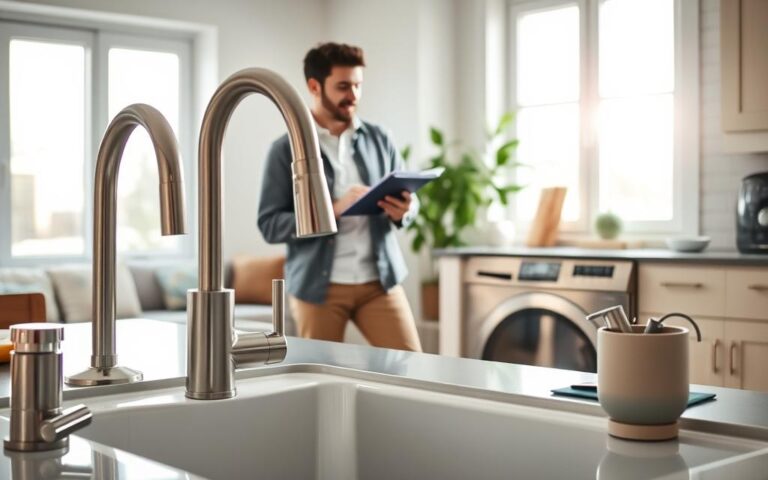
WaterSense showerheads now use 2.0 gallons per minute or less, unlike older ones that used more. By selecting a low-flow option, you’ll save water every time you shower or use the sink. This change won’t even affect your water pressure.
These smarter designs also mean less demand for hot water. This will help lower both your water and energy bills. Brands like Delta, Moen, and Kohler offer efficient models that feel just as good.
Replacing showerheads and faucets is usually a simple job you can do yourself. If you do need a plumber, it won’t cost much. The savings on your bills will quickly cover these costs.
Dual-Flush Toilets
Dual-flush toilets give you the choice of using less water for liquids and more for solids. This can make a big difference in homes that often opt for the smaller flush. It’s a smart way to cut down on water use.
There are kits to convert your existing toilet or entirely new, efficient toilets available. Make sure to check their performance and design to avoid needing multiple flushes. This way, you won’t have to flush more than necessary.
Looking at reviews can help you find a toilet that’s reliable in the long run. The right choice will save water and prevent any hassles.
Water-Saving Appliances
New front-loading washing machines use far less water than older models. ENERGY STAR washers clean effectively while using less. This is an easy win for saving water.
Modern dishwashers also use less water, especially if you only run them when full. And, be mindful of indirect water use with refrigerators and other appliances. Choosing efficient models makes a difference.
Remember, many energy-efficient appliances come with rebates. Always check local offers before buying to save even more money upfront.
| Fixture or Appliance | Typical Water Use | Key Benefit | Recommended Label or Brand |
|---|---|---|---|
| WaterSense Showerhead | ≤ 2.0 gpm | Lower shower water use, maintains pressure | WaterSense; Delta, Moen, Kohler |
| Older Showerhead | 2.5–5.5 gpm | Higher water and energy consumption | Replace with WaterSense model |
| Dual-Flush Toilet | 0.8–1.1 gpf (partial); ~1.6 gpf (full) | Reduces toilet water per flush | WaterSense, HET models |
| High-Efficiency Washer (Front-load) | 15–25 gallons per load | Big water savings vs. old top-loaders | ENERGY STAR certified |
| Modern Dishwasher | 3–5 gallons per cycle | Efficient cleaning with less water | ENERGY STAR certified |
| Refrigerator with Ice Maker | Varies; some use minimal water | Watch for indirect water use | Choose low-water-impact models |
Adopting Smart Water Management Practices
Small steps at home lead to big savings. Using smart water management means combining simple checks with smart upgrades. This approach uses regular checks, smart landscaping, and tech alerts to prevent issues.
Regular Leakage Checks
Leaks can waste hundreds of gallons each month quietly. To spot leaks, check your water meter. Note the readings, don’t use water for 2 hours, then check again for changes. Toilet leaks are found by adding food coloring to the tank. If it shows in the bowl within 15 minutes, there’s a leak.
Check pipes, hose bibs, and connections for drips or corrosion. Fixing these can stop common leaks. If leaks are complex or keep happening, it’s time to call a pro.
For automated help, add leak detection devices and automatic shutoff valves. They send alerts or stop water flow right away. This helps reduce waste without constant checks.
Utilizing Water-Efficient Practices in Landscaping
How you design your garden affects water use. Use xeriscaping and hydrozoning to group plants by their water needs. Adding mulch and organic matter helps soil hold water, reducing the need to water often.
Drip irrigation and smart controllers help save water. Water plants in the early morning or late evening to reduce evaporation. This saves water in your garden.
Check out local guides and rebates for removing turf or getting smart irrigation systems. These resources make it cheaper and easier to use water-efficient landscaping.
| Practice | What to Do | Impact |
|---|---|---|
| Water meter test | Record meter, avoid use for 2 hours, check for movement | Detects hidden leaks that waste hundreds of gallons |
| Toilet dye test | Place food coloring in tank, check bowl after 15 minutes | Finds silent flush or flapper leaks |
| Minor repairs | Replace flappers, washers, tighten fittings | Stops common indoor leaks quickly and cheaply |
| Leak detection devices | Install sensors and automatic shutoff valves | Immediate alerts and reduced water loss |
| Xeriscaping & hydrozoning | Group plants by water need; choose drought-tolerant species | Reduces outdoor irrigation demand |
| Drip irrigation & smart controllers | Use drip lines; install controllers that adjust for weather | Efficient delivery and lower evaporation loss |
| Mulch and soil amendment | Apply mulch and add organic matter to soil | Improves moisture retention and reduces watering frequency |
| Local utility programs | Check rebates and plant guides from extension services | Lower upfront costs and better plant selection |
Changing Daily Habits for Conservation
Small changes in daily habits can save a lot of water. In the United States, families can easily reduce water waste. They can do this without giving up their comfort by being mindful of their water use.

Shorter showers and efficient bathing
Try taking showers that last only 5–7 minutes. Or even try a 4-minute shower using a kitchen timer. While soaping or shampooing, turn off the water to save even more.
Using low-flow showerheads from Kohler or Delta can also help. They reduce water flow without making the water too cold. A five-minute shower with these heads uses much less water than a bath.
Collect the water in a bucket while your shower warms up. This water can water your plants or outdoor gardens. Having a family challenge to see who can shower the quickest can make saving water fun for everyone.
Full loads for laundry and dishes
Only run the washing machine with a full load. Choose the high-efficiency setting on front-loaders by LG or Whirlpool. Washing clothes in cold water saves energy and cleans most clothes well. Keeping the filters clean ensures your machine runs efficiently.
Fully loaded modern dishwashers use less water than washing dishes by hand. There’s no need to rinse dishes before loading them. Choose the eco mode on dishwashers from Bosch or KitchenAid to use less water per cycle. Try washing less often and air out lightly soiled clothes instead of washing them right away.
Adopting these water-saving habits is easy. By being mindful of how we bathe and waiting to run full loads in laundry and dishwashers, we can all help save water. This doesn’t require us to give up anything but leads to more efficient water use at home.
Rainwater Harvesting as an Option
Rainwater harvesting is a smart way to reduce outdoor water costs. It supports using water sustainably at home. This method works well with eco-friendly ways to save water. It can be as simple as using one barrel or as complex as a system that uses the whole roof.
It’s important to know the rules before setting up a system. Some places in Colorado and Texas are all for it, especially for gardens. But, other places have strict rules or you might need a permit.
Benefits of collecting rainwater
Collecting rain helps save water from city supplies and lowers the cost of watering lawns and gardens. It also reduces runoff, cutting down on erosion and keeping streams clean. Plus, using rainwater for things like washing cars or watering plants means more drinking water stays available for home use.
Systems and maintenance
A simple setup might include catching rain from your roof, using gutters, and storing it in barrels or tanks. There are also filters and sometimes pumps if you need them. For small uses, clean barrels are good enough. Bigger systems might need a pro to make sure they fit your roof and the rain you get.
Using rainwater as drinking water takes extra care. You’ll need filters, UV or chemical treatment, and everything has to be up to code. Talking to a pro and the health department is a smart move to make sure it’s safe.
Regular maintenance is key to a good system. Keeping gutters and filters clean, checking tanks for dirt or bad stuff, getting ready for cold weather, and making sure bugs can’t get in are all must-dos.
| Component | Purpose | Typical Cost Range (USD) | Notes |
|---|---|---|---|
| Rain barrel (55–100 gal) | Small-scale storage for gardens | $50–$300 | Food-grade barrels recommended for nonpotable use |
| Modular tank (500–2,000 gal) | Higher-capacity home use | $600–$3,500 | May require foundation and pump |
| Installed, plumbed system | Whole-house or large landscape supply | $3,000–$15,000+ | Includes filters, pumps, professional labor |
| First-flush diverter | Improves water quality by diverting initial runoff | $40–$200 | Simple DIY options or commercial units |
| Filtration and disinfection | Required for potable use | $500–$5,000+ | Depends on flow rate and treatment method |
There are ways to help pay for these systems. You might find help from local utilities, state programs, or even get rebates. It’s a good idea to ask around at your city water department or local extension office to see what’s available.
Pairing rainwater harvesting with low-flow fixtures and smart water use makes a big difference. It reinforces water-saving habits and helps keep your yard and outdoor areas green the eco-friendly way.
Employing Technology for Water Monitoring
Smart devices spot waste and fix problems quickly. Homeowners can connect hardware to dashboards. These dashboards show daily and hourly water use. This smart home water management provides clear data. Families can then adjust habits and lower bills.
Smart Meters and Their Benefits
Utility smart meters provide near real-time readings and leak alerts. Municipal systems and products like Flume, Phyn, and StreamLabs track water flow. They also flag unusual usage.
These meters detect leaks early, offer insights for each fixture, and have thresholds for alerts or shutoffs. Some even include valves to control water flow remotely. This helps reduce water wastage and lowers costs for households.
Installation options vary from DIY to professional setups. Some utilities offer rebates or devices. For more on these solutions, see TEKTELIC’s smart water monitoring.
Mobile Apps for Tracking Water Use
Mobile apps transform meter data into simple tips and trends. Utility portals provide historical data. Device makers’ apps give real-time alerts, cost forecasts, and estimates by appliance.
Choose apps with clear privacy policies and robust network security. The best brands are transparent about their data use. Look for features like instant alerts, goal setting, and community comparisons. These features help encourage saving water.
| Feature | What it Shows | Benefit for the Household |
|---|---|---|
| Real-time Flow Monitoring | Live water use by minute or hour | Quick detection of leaks and abnormal spikes |
| Leak Alerts | Automated notifications when flow exceeds patterns | Reduces water loss and avoids costly damage |
| Per-Appliance Estimates | Breakdown for toilets, showers, and appliances | Targets high-use fixtures for upgrades |
| Remote Valve Control | Ability to shut off supply remotely | Prevents overflows and cuts wastage quickly |
| Historical Reports | Daily, weekly, and monthly usage trends | Helps set goals and measure reductions |
| Cost Projections | Estimated bills based on current use | Encourages efficient behavior to save money |
| Community Benchmarking | Comparison with neighbors or similar homes | Motivates further reductions in use |
Eco-Friendly Cleaning Practices
Making small changes in how we clean can save a lot of water. We’ve got tips for saving water in kitchens, bathrooms, and even while washing cars. These tips can reduce pollution and cut down your bills, all while keeping your place clean.
Using concentrated cleaning products
Concentrated cleaners mean less packaging waste and less product going down the drain. Always read labels and use the right amount. Pick products with a safer ingredient list, like those certified by EPA Safer Choice or Green Seal.
Choose cleaners that don’t foam up too much. They rinse out quicker, saving water. When washing dishes or fruits, fill one sink with soapy water and another with clean water. This stops the need to keep the water running. It’s a smart way to save water.
Use microfiber cloths to pick up dirt without using much water. Also, drying surfaces right after cleaning them can reduce the need for extra rinsing. These simple steps are great for saving water every day.
Washing vehicles efficiently
Did you know commercial car washes often recycle water? They can be more water-efficient than washing cars at home. If possible, go for these eco-friendly car washes to help save water.
If washing your car at home, use a bucket instead of letting the hose run. A hose with an auto shutoff nozzle is best. Wash over grass or gravel to prevent soapy water from draining into the street. This helps reduce pollution.
For quick cleanups, try waterless car wash products. Choose those that are gentle on the environment. This way, you take care of your vehicle and the planet. It’s a great addition to eco-friendly cleaning habits.
Best Practices for Outdoor Water Use
Many homes use a lot of water outside, especially in certain climates. Making small changes to how you water your garden can save a lot of water. And you don’t have to sacrifice how your yard looks to do it. Here are some tips to help you use less water while keeping your garden green and beautiful.

First, take a look at your watering systems. Make sure sprinkler heads and timers work right. Fixing leaks and aligning sprinklers can stop water from being wasted.
Efficient irrigation techniques help get water directly to plant roots. This means using drip irrigation or soaker hoses that slow down evaporation. Adding smart controllers and sensors can prevent watering when it’s not needed.
Water early in the morning or late in the evening to lessen evaporation. Don’t water when it’s windy. Set up your system so different areas get just the right amount of water. Keeping everything working smoothly ensures less water is wasted.
Lawns drink up a lot of water. You can replace some grass with other ground covers that don’t need as much water. Think about all aspects, including the cost and how hot synthetic turf can get, before deciding.
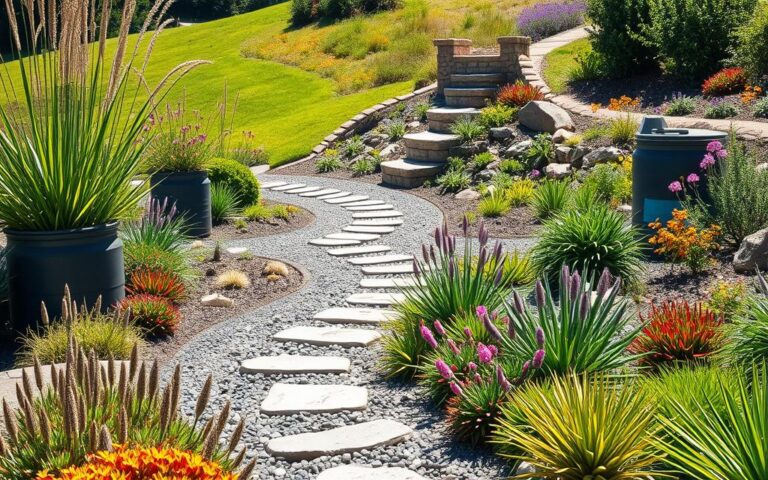
Drought-resistant plants for gardens are a smart choice for saving water. Plants like lavender and sedum look great and don’t need much watering. They can make your garden lively, with less effort and water.
Using xeriscaping can make your garden tough against dry weather. Group plants by their water needs and use mulch to keep moisture in. For advice, talk to local experts on what plants to choose and when to plant them.
| Practice | What to Do | Benefit |
|---|---|---|
| Drip lines & soaker hoses | Install emitters at plant bases; group by water needs | Reduces evaporation and runoff; targets root zones |
| Smart controllers & sensors | Use weather-based or soil-moisture controllers | Adjusts schedules automatically; prevents overwatering |
| Watering timing | Water early morning or late evening; avoid wind | Minimizes evaporation; improves absorption |
| Mulch & soil amendment | Apply organic mulch; amend soil for retention | Retains moisture; lowers frequency of watering |
| Drought-tolerant plant selection | Choose natives and low-water ornamentals | Reduces irrigation needs; supports wildlife |
| Lawn alternatives | Reduce turf area; consider native groundcovers | Cuts overall outdoor water use |
Combining smart technology with the right plants and care can lead to beautiful gardens that don’t waste water. Using efficient watering strategies and selecting plants wisely can really make a difference. This approach saves water while keeping your outdoor spaces looking great.
Educating Household Members on Conservation
Teaching your family how to save water is key. It involves clear steps for everyone to follow. Through short lessons, reminders, and achievable targets, everyone learns the value of water.
Promoting Awareness and Best Practices
Start with a family meeting to talk about costs and effects on your area. Show water use and savings using charts and jars. This keeps everyone engaged without constant reminders.
Show kids how to save by shutting off taps and taking quicker showers. Teens can check the meter or watch appliance use. Giving everyone suitable tasks makes saving water a team effort.
Introduce fun challenges with rewards for saving water. Points or prizes each month make it a game. This approach keeps saving water interesting.
Creating a Family Water Usage Plan
Give everyone a specific job, like leak checks or managing the watering schedule. This ensures nothing gets missed.
Set a clear goal, like reducing water use by 20% in one year. Break it down into parts to make it manageable. Tracking your progress helps see how well you’re doing.
List immediate and long-term steps to save water. Fix leaks and only run full loads to start. Plan to upgrade to more efficient appliances later.
Meet regularly to review your water use. Celebrate your success and adjust plans as needed. Staying flexible helps you stay on target.
| Task | Who | Frequency | Benefit |
|---|---|---|---|
| Check faucets and toilets for leaks | Adult household member | Monthly | Prevents wasted gallons and lowers bills |
| Track weekly water use on chart | Teen or responsible child | Weekly | Raises visibility and supports promoting awareness |
| Run full loads for laundry and dishes | All members | As needed | Improves efficiency and applies water conservation tips |
| Rotate irrigation schedule and inspect sprinklers | Assigned gardener or adult | Biweekly | Reduces outdoor waste and saves water |
| Review goals and rewards | All members | Monthly | Maintains momentum and updates family water usage plan |
Evaluating Water Usage and Progress
To lower household water use, start by auditing your water usage. Check your water meter and track how much you use each day for a week. This helps find patterns. Meter-based checks or smart devices can make this easy and precise.
Then, look for leaks, note when and where water is used most, and check your appliances’ ages and how well they work. Using tools like reports from your utility and checklists from EPA WaterSense can help organize your findings. Focus on repairs and upgrades that save the most water and are easy or cheaper to do first. For example, fix leaks, then install low-flow taps, and think about getting new, efficient appliances later.
Set realistic water-saving goals. Use the SMART method: goals should be specific, measurable, possible to achieve, relevant, and prompt. For example, aim to use 15% less water in one year. Mix immediate steps, plans that need some investment, and changes in your daily habits to get better results.
Keep track of what you do to save water, including when you did it, how much it cost, and what you saved. Use your monthly bills, smart meter data, or apps to watch your progress. If you’re not hitting your goals, try new strategies. Check your efforts every year, stay open to new tech, and look for rebates or community projects that help you use even less water as time goes on.