
This guide shows U.S. homes how to use less water and save on bills. It looks at simple daily habits and bigger changes, like new appliances or greywater setups. Whether it’s quick DIY repairs or serious upgrades, there’s a way to cut down water use.
The need to save water is clear today. The EPA says a normal house uses around 300 gallons a day inside, with baths and gardening using the most. Small steps, like fixing leaks or getting a low-flow showerhead, really help. They lower bills and reduce strain on city water systems.
This guide is for home owners, renters, landlords, and managers across the U.S. It mixes tips, product suggestions, and policy info, like rebates and utility checks. This way, readers can start with easy water-saving tips or plan big upgrades according to their budget and goals.
The guide lays out why saving water is important. It covers conservation tips for each room, outdoor areas, new tech, involving your family, planning for seasons, tracking tools, and extra resources. For help specific to your place, check EPA WaterSense, your local utility company, Cooperative Extension services, or state water offices. They offer audits, rebates, and advice just for you.
Key Takeaways
- This guide offers practical steps to save water at home and reduce water usage across the house.
- Average U.S. households use about 300 gallons per day indoors, so small changes can yield big savings.
- Household water conservation includes low-cost fixes and investment options like efficient appliances.
- Local utilities, EPA WaterSense, and Cooperative Extension provide audits, rebates, and site-specific help.
- The article combines behavioral tips, DIY fixes, tech options, and policy resources for a complete approach.
Understanding the Importance of Water Conservation
Saving water at home helps protect nature and eases pressure on public water systems. Making simple changes, like how we use water indoors and outdoors, really adds up. By using water wisely, we ensure rivers, lakes, and groundwater are available for the future.
Environmental Benefits
Using less water means less energy is needed to treat and move it. This reduces the greenhouse gases emitted by electric companies and water heaters. So, we help the planet.
Conserving water keeps streams flowing and groundwater levels normal. This helps fish, wetlands, and all life in healthy ecosystems.
Choosing sustainable landscaping, like using local plants, reduces harmful runoff. This choice means cleaner water in our rivers and streams.
Economic Advantages
Lower water bills help families save money. Updating things like toilets and water heaters cuts down on water and energy use.
Appliances that save water and energy, like Energy Star washing machines, pay for themselves. They also offer savings through rebates and lower utility bills.
When communities save water, cities save on big projects. This means they don’t have to build new plants or reservoirs so soon.
Water Scarcity Issues in the U.S.
Water shortages depend on the area. Places like California and Arizona face ongoing droughts. Other areas have problems due to storms and old systems.
Climate change is making dry periods worse and changing rain patterns. This leads to more frequent droughts in many areas.
Different places have rules about water use because of these shortages. Following local water-use guidelines can make a big difference.
| Benefit Area | Household Action | Result |
|---|---|---|
| Energy and Emissions | Install heat-efficient water heaters and low-flow fixtures | Lower electricity and gas use, reduced greenhouse gas output |
| Aquatic Ecosystems | Use native plants, reduce lawn irrigation | Improved stream flow, healthier wetlands and fisheries |
| Household Costs | Upgrade to WaterSense fixtures and Energy Star appliances | Reduced water and energy bills, rebate eligibility |
| Municipal Impact | Adopt sustainable water practices community-wide | Defer infrastructure spending, stabilize rates |
| Supply Resilience | Implement rain capture and greywater reuse | Less reliance on stressed sources during drought |
Simple Ways to Save Water in the Bathroom
Small bathroom upgrades can lead to big savings. They offer practical tips to save water, lower bills, and help conserve water at home. You can try these ideas out before deciding on bigger changes or new water-saving devices.
Fixing Leaky Faucets
Even small drips mean big waste. The EPA and WaterSense say a leaky faucet can waste a lot of water each month. To find leaks, check the faucet and compare your water meter before and after not using water for an hour.
Leaks often come from worn parts like washers or O-rings. With simple tools like a wrench and plumber’s tape, many people can fix these themselves. You might need to get replacement parts from brands like Moen or Delta.
Always turn off the water before starting repairs. If you find more serious issues like corrosion, it’s safer to call a professional. Using high-quality parts can prevent future leaks and is better for the environment.
Installing Low-Flow Showerheads
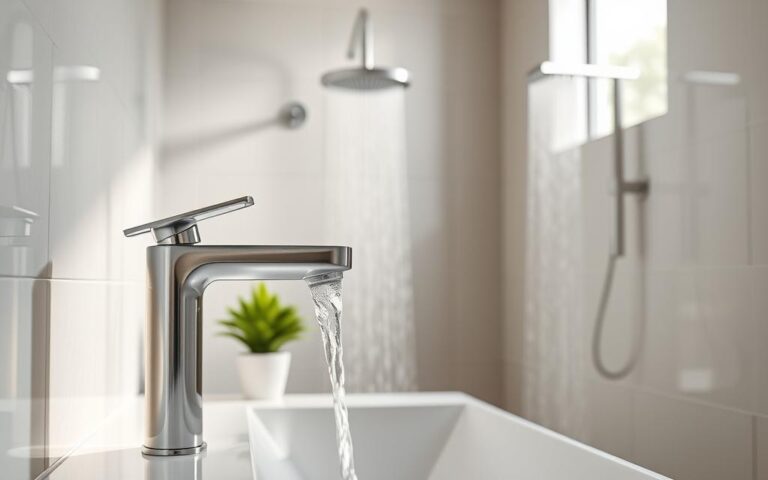
Low-flow showerheads use less water but still give good water pressure. Choose ones that are labeled by WaterSense to ensure efficiency and performance.
Installing a new showerhead is doable on your own. Just take off the old one, clean up, and put on the new one with some plumber’s tape. Always check if it fits your shower and read the warranty before buying.
For more savings, take shorter showers and use a timer. Changing your habits along with the showerhead can save even more water.
Using Toilet Tank Fillers
Old toilets use much more water per flush than newer ones. Replacing them with modern low-flow or dual-flush toilets can save a lot of water right away.
Until you can replace the toilet, try using tank fillers or adjustable valves. But don’t use bricks, as they can break and cause damage. These small changes help save water until you can upgrade.
Thinking about the long run? Replace your old toilet with one that has a WaterSense label or add a dual-flush converter. Some local utilities give rebates for eco-friendly toilets, making it easier to save water and money.
Water-Saving Strategies for the Kitchen
Changing small things in our kitchens can help use less water and save money. We’ll discuss how to wisely use water, pick appliances that save water, and thaw food without wasting it. Each suggestion helps save more water at home while thinking about safety and ease.
Efficient dishwashing techniques
To wash dishes by hand, fill the sink or use a basin. Don’t rinse dishes under running water. Use another basin for rinsing if needed.
ENERGY STAR dishwashers save more water than washing by hand, but only when full. To save most, use eco settings and keep the dishwasher in good condition.
Choosing energy-efficient appliances
Look for ENERGY STAR dishwashers and front-loading washing machines. They use less water and energy. Efficient refrigerators also help avoid water waste.
Rebates from makers or utilities can make new appliances affordable sooner. Checking costs and savings can make these upgrades more appealing for water and money saving.
Proper food thawing methods
Don’t thaw food under running water. Instead, thaw in the fridge or use the microwave. This saves water and keeps food safe.
Thawing in the fridge is safer and wastes less water. It’s also better for your home’s plumbing system.
| Practice | Water Impact | Cost Note |
|---|---|---|
| Run full dishwasher loads on eco cycle | Low — modern units use 3–4 gallons per cycle | Higher upfront cost, short rebates available |
| Handwash using filled basin | Moderate — cuts flow from constant running tap | No cost, habit change required |
| Front-load washing machine | Low — uses 20–30% less water than top-load | Mid to high upfront cost, energy savings reduce payback time |
| Refrigerator thawing | Minimal direct water use | No cost, requires planning |
| Cold-water sealed-bag thawing | Low — controlled water use when changed per guidelines | No cost, safer than running tap |
Outdoor Water Conservation Tips
Keeping your yard and garden healthy starts with smart choices. These choices help cut waste and make areas resilient. By adopting simple strategies, you can reduce your bills and help the environment.
Xeriscaping and Native Plants
Xeriscaping involves using plants that need less water and smart design. Choose local plants with help from resources like state services or the Lady Bird Johnson Wildflower Center. This ensures they’re right for your area’s climate and soil.
Adding good soil and mulch helps keep water in the ground longer. Also, put plants with similar water needs together. This method, called hydrozoning, saves water and makes caring for plants easier.
By choosing these methods, you reduce the need for lots of watering. You’ll also save money, attract more bees and butterflies, and increase the variety of life in your garden.
Efficient Lawn Watering Practices
Water your lawn early to avoid evaporation and prevent disease. Water deeply but not too often to make your lawn stronger against drought.
For watering, consider using drip systems for beds and specific sprinklers for grass. Also, using a smart controller that adjusts to the weather can save both water and time.
Think about having less grass. You might use groundcovers or special paving instead. This can decrease the need for water and promote sustainable practices.
Using Rain Barrels for Collection
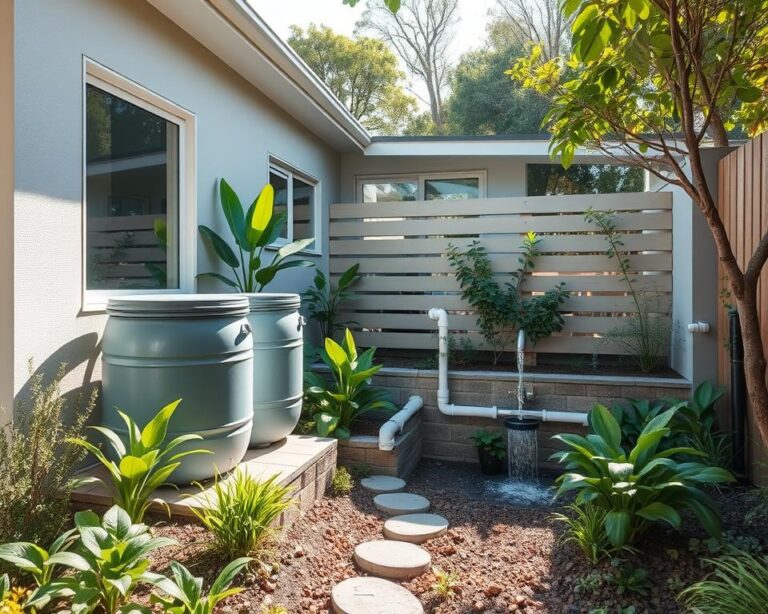
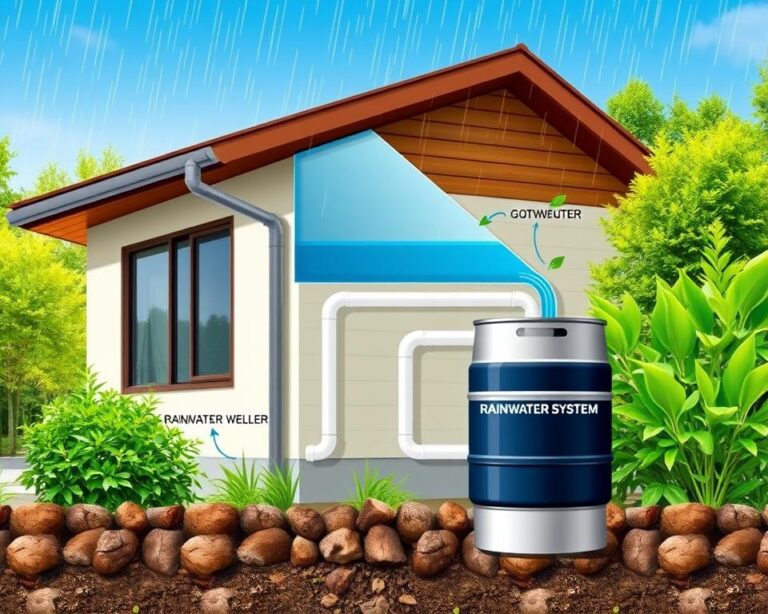
Rain barrels can collect water from your roof to use in your garden. This lessens the need to use clean water for outside. Make sure to set up your barrel correctly and think about where excess water will go.
You can buy kits to make setting up easy, or make your own. Stores like Home Depot and Lowe’s have everything you need. Remember to clean it often and use screens to keep bugs and leaves out.
Keeping your rain barrel working well is important. Also, check if your city offers money back for buying a rain barrel. This can lower your costs and encourage saving water outdoors.
Innovative Technologies to Reduce Water Waste
New tools help homeowners use less water without changing their lives much. These tools are good for managing water smartly. They also save money and help meet water-saving goals in communities.
Smart Water Meters
Smart water meters offer updates on how much water a home uses almost instantly. Devices from companies like Flume and Phyn connect with apps to quickly find leaks. By catching leaks early, these tools save water and money by showing where to make cuts.
Power companies often offer tools that make meter readings easy to understand. These tools show how water is used over time. They help find hidden leaks and offer tips for using less water.
Automatic Irrigation Systems
Automatic systems for watering plants use smart tech to water only as needed. Brands like Rachio use local weather data to water plants just right. This means less water waste.
These systems are designed to reduce water loss. The right setup and yearly checks keep these systems working well without wasting water.
Greywater Recycling Systems
Greywater systems reuse water from showers and sinks to water plants or flush toilets. Using the right filters and soaps keeps the soil and plants safe.
The rules for these systems change depending on where you live. California offers clear rules, but some places are stricter. Always check with local authorities and hire experts to make sure everything is safe and follows the law.
Cost and incentives — The price of these systems varies. But they pay off over time by lowering water bills. Some places offer special deals to encourage the use of these water-saving systems. This can help you save even more.
Engaging the Family in Water Conservation
Getting the whole family involved makes saving water a shared goal. A quick intro explains why even small steps are important. It suggests easy routines and why putting up reminders near sinks and showers helps everyone remember to use less water.

Creating Awareness About Water Usage
Start by checking how much water your household uses. Use a DIY checklist or one from your utility company to understand your water use better. This helps spot the big water users like showers, laundry, and flushing toilets.
Teach your kids how much water faucets and showers use. Explain the benefits of turning off the water while brushing and taking shorter showers. This saves water and cuts down on the energy used to heat it.
Mark where your shutoff valves are and put up reminders. Setting rules for using water helps, too. For more tips, here’s a guide: how to save water at home.
Fun Challenges to Reduce Consumption
Make saving water fun by setting up friendly competitions. Try using shower timers, doing dishes without running water for a week, or keeping score of who saves the most water.
Track your progress with charts or apps. This can turn saving water into a fun game. Competing with others can also encourage everyone to do their best.
Connect rewards to the water you save. Use the money saved from lower water bills for a family treat. It shows everyone the rewards of saving water.
Tracking Progress Together
Keep track of your water saving using meter readings or apps. Note how much water and money you save, or count the short showers you take. This shows everyone the good results of their efforts.
Meet every month to talk about how you’re doing. Celebrate your wins and think about what could be better. Charts and visuals help kids see the impact of their actions.
Regularly remind everyone what you’re saving for. Show them what their efforts mean, like extra showers or minutes of watering the lawn you’ve avoided. This helps make saving water a habit for the whole family.
| Action | Who Leads | Metric | Outcome |
|---|---|---|---|
| Household water audit | Parent or teen | Meter reading & checklist | Baseline for targeted savings |
| Shower timer challenge | All family members | Minutes per shower | Reduced shower water use |
| No-run dishwashing week | Rotating household lead | Dishwashing sessions | Lower kitchen water use |
| Monthly check-in | Family coordinator | Gallons/money saved | Motivation and habit reinforcement |
| Neighborhood contest | Community organizer | Comparative meter changes | Wider adoption of water-saving tips |
Seasonal Considerations for Water Usage
Managing water by season keeps things green and saves money. By tweaking how and when we use water, we can cut down on waste. This is good for our wallets and the planet.
Adjusting Watering Schedules in Different Seasons
In spring and summer, water plants more but less often, and do it early. This makes plants healthier and saves water. Using smart systems helps adjust for unexpected weather, like heat or rain.
When it gets cooler in fall, cut back on watering to keep plants strong. Different places need different approaches. Experts can give advice based on your area and plants.
Winterizing Outdoor Water Connections
Before it gets cold, turn off and empty your outdoor water systems. Wrap any pipes that are exposed and bring hoses inside. Using special outdoor faucets can also prevent freezing.
Fixing burst pipes is expensive. Keep things like valves safe with insulating foam and, if needed, heat tape. Places like Home Depot and Lowe’s have what you need and offer advice.
Preparing for Drought Conditions
Get ready for dry times by using water wisely inside and cutting back outside where you can. Start saving water early to dodge tight restrictions later.
Changing your yard can also save water. Think about turning off sprinklers, using mulch, or having less grass. Better watering systems directly water plants, which saves a lot of water.
Many places offer help and advice during droughts. This might include money back from utilities or local government tips on saving water without missing out on the essentials.
| Season | Key Action | Tools or Resources | Benefit |
|---|---|---|---|
| Spring | Increase deep morning watering; check controllers | Weather-based controllers, local extension schedules | Stronger roots; reduced evaporation |
| Summer | Adjust frequency for heat; use efficient irrigation systems | Drip irrigation, smart timers, mulch | Lower water use during peak demand |
| Fall | Taper watering; prepare plants for dormancy | Soil moisture meters, regional guidance | Healthier plants going into winter |
| Winter | Shut off and drain lines; insulate fixtures | Frost-free sillcocks, insulation kits, hardware retailers | Prevents freeze damage and costly repairs |
| Drought Preparedness | Prioritize uses; implement turf reduction and mulching | Utility rebates, drought relief programs, efficient irrigation systems | Maintains essential needs while saving water |
Monitoring Your Water Usage
Keeping an eye on how much water your household uses is key to saving water. It helps to have a routine for reading your water meter, checking your bills, and noting how you use water every day. This guide gives you easy steps and simple changes to save water.

Tools for Tracking Consumption
First, get to know your water meter. Learn to read it, do a quick check for leaks by turning off all water, and watch if the dial moves. Write down what you see daily or weekly to notice any changes.
Then, use tech to help. Devices like Phyn and Flume can detect leaks and show your water use in real-time. Online tools from your water company can show your use over time. Apps can also help you see how much water you’re using and alert you to any big changes.
Keeping a simple record helps too. Use a spreadsheet to track your water use over time. This makes it easy to see how small changes can save water. For tips on what to check and which tools to use, see this guide.
Understanding Your Water Bill
Your water bill has a lot of details. It shows charges for water use, sewer services, and any extra fees. Knowing what each part means can help you find ways to use less water.
Looking at your past bills can show your water use patterns. This can help you spot leaks or see how your efforts to save water are working. If something on your bill doesn’t seem right, call your water company for help.
Ask about programs that can save you money on water-saving appliances or fixtures. This is also a good time to ask about any help or discounts available.
Setting Reduction Goals
Make SMART goals to reduce your water use. For example, try to use 20% less water in six months. Check your progress by looking at your meter and bills.
Plan your actions. Put in water-saving fixtures, use a timer for your sprinklers, fix leaks, and make sure someone is responsible for reading the meter. Even small changes, like shorter showers, can lead to big savings.
Check how you’re doing each month and celebrate your successes. Use what you learn from tracking your water use to make your plan even better. Keep an eye out for new ways to save or for rebates on water-saving updates.
Resources for Further Learning and Support
To start making a change, try using different resources in your area. Reach out to your local water department or county water district. They often offer free water audits, helpful fixtures, and workshops on saving water. Groups like the American Water Works Association and local Cooperative Extension offices also share valuable insights. They teach through educational events and give technical help. For those interested in gardening, there are community programs and gardens that show how to create beautiful low-water yards.
Community Programs and Workshops
In the U.S., many utilities have programs for the community. These include rebates, hands-on workshops, and sales on native plants. Check with your city utility or regional watershed groups for these events. These activities help you learn how to save water easily. They provide useful demos and local advice.
Online Tools and Calculators
There are many online tools and calculators that can help you save. WaterSense, state utility tools, and USDA resources offer guidance on reducing water use. For yard planning, the Lady Bird Johnson Wildflower Center and PlantRight are great resources. They help with choosing plants and planning irrigation. Look for calculators from companies and utilities too. They show how long it takes to save money with ENERGY STAR appliances.
Government Initiatives and Rebates
Federal and state programs make saving water less expensive. EPA WaterSense promotes efficient fixtures and appliances. Many places also have rebates for things like irrigation upgrades and rain barrels. Check DSIRE listings, local utility websites, and state agencies for details. They’ll tell you what programs are available and how to apply.
Consider doing a quick check of your home for leaks and think about using WaterSense products. Keep track of the changes and your water bills to see your savings. Getting involved in community programs, using online tools, and taking advantage of rebates are great steps. This can help every family save money and water.