
This guide is about how U.S. homes can save water. It looks at dishwashers, washing machines, toilets, and faucet aerators. It even talks about smart systems and recycling units. The aim is to cut utility costs, use less energy for hot water, and lessen our environmental impact.
You’ll get tips on how these water-saving tools work. It covers standards like WaterSense and ENERGY STAR, plus how to pick the best models. The piece also goes into how to install them, keep them working well, and how to get rebates.
You’ll learn how to figure out your savings, choose green water devices, plan their setup, and keep them running right. This guide makes using eco-friendly water tools easy for daily life.
Key Takeaways
- Water-efficient appliances can lower water bills and reduce energy use tied to hot water.
- Common targets include dishwashers, clothes washers, toilets, and faucet aerators.
- Look for WaterSense and ENERGY STAR labels when choosing water-saving appliances.
- Smart and recycling systems are emerging options for greater household savings.
- Proper installation and routine maintenance maximize long-term efficiency and rebate eligibility.
Understanding Water-Efficient Appliances
Water-efficient appliances help do everyday tasks using far less water than before. They include things like modern clothes washers and dishwashers, and also low-flow items like toilets and tap aerators. Because freshwater is becoming scarce and water costs are going up, using these eco-friendly products is smart for U.S. homes.
Definition and Importance
These appliances use less water for cleaning and washing tasks. High-efficiency ones can reduce water use by 20–60% compared to old models. Low-flow items cut down water use per minute or flush, saving a lot each time they are used.
Rebates are often available for water-efficient models that meet certain standards. This makes it cheaper to buy them and helps save our planet’s precious freshwater. Plus, it cuts down on the energy needed to warm water.
How They Work
Low-flow fixtures reduce how much water flows to prevent waste. High-efficiency appliances, like certain washers, adjust water levels for each laundry load with smart technology.
Dishwashers now have sensors and better water patterns that allow for shorter and less wasteful cycles. Today’s toilets have options that use much less water per flush than models made years ago. This means huge water savings.
There are also smart appliances that automatically adjust how they run to save more water and energy. Combined with low-flow fixtures, they help families spend less on water and power bills.
| Appliance Type | Typical Water Use (Older Models) | Typical Water Use (Efficient Models) | Key Efficiency Feature |
|---|---|---|---|
| Clothes Washer | 30–45 gallons per load | 10–25 gallons per load | Tumble action, load sensors |
| Dishwasher | 6–15 gallons per cycle | 3–6 gallons per cycle | Soil sensors, optimized spray |
| Toilet | 3.5–7 gallons per flush | 1.28 gallons per flush or less | Dual-flush, pressure assist |
| Faucet Aerator | 2.2–3.5 gallons per minute | 0.5–1.5 gallons per minute | Flow restriction, pressure compensation |
Benefits of Water-Efficient Appliances
Switching to water-saving appliances helps families in the U.S. save money and protect the environment. By using modern equipment, you use less water, pay lower bills, and need less energy for heating water. These benefits grow fast, especially with local rebates and federal incentives.
Cost Savings on Utility Bills
Getting new high-efficiency washers or toilets can drastically cut your home’s water use. The money you invest can start paying back in 2 to 7 years, thanks to rebates and saved energy. ENERGY STAR shows how these appliances save on water and energy, making the purchase worth it.
Using less hot water means your bills for heating water go down. In the U.S., many utilities and state programs give rebates for efficient toilets, washers, and dishwashers. These offers make it quicker to get your money back and profit from your investment.
Environmental Impact
Water-saving devices lessen the strain on city supplies and local water sources. This is really important in dry areas and during droughts. They help keep rivers, underground water, and lakes safe.
Using less hot water decreases the need for energy and cuts down greenhouse gases. It also means we produce less wastewater. This helps wastewater plants and keeps our rivers cleaner. Sustainable water devices also tend to last longer and need fewer resources, which means less harm to our planet.
Choosing these eco-friendly water appliances not only saves you money now but also protects our environment for years to come.
Different Types of Water-Efficient Appliances
Homeowners have a variety of water-saving appliances at their fingertips. These appliances save water without sacrificing quality. We will explore key types, what efficient models offer, and leading brands in the market.
Dishwashers
Modern ENERGY STAR-rated dishwashers have advanced features. They use about 3–4 gallons per cycle thanks to soil sensors and better spray arms. Sanitize or eco cycles and effective filters ensure dishes come out clean.
Bosch, Miele, and KitchenAid lead with high-efficiency water appliances. They have reliable cleaning power and low water usage. Look for cycle options, soil-sensor effectiveness, and gallons per cycle to find the best option.
Washing Machines
High-efficiency washers significantly lower water use, by 20–66%. They use tumbling and load sensing. This means they’re great for different fabrics thanks to variable sensors and wash programs.
Whirlpool, LG, Samsung, and Maytag offer ENERGY STAR models. These models care for fabrics while saving water and energy. Use HE detergent with an HE washer for the best results.
Toilets
Low-flow and high-efficiency toilets use 1.28 gallons per flush or less. WaterSense-certified units flush powerfully but use less water than older models. This is great for households looking to save.
TOTO, American Standard, and Kohler have a range of efficient toilets. There are gravity-fed, pressure-assist, and dual-flush options. For quick savings, consider fill valve adjustments or dual-flush kits.
Faucet Aerators
Faucet aerators add air to water to reduce flow while keeping pressure up. They often use 1.5 gpm or less. This makes them cheap, easy to install, and great for saving water in kitchens and bathrooms.
Neoperl and Delta offer low-flow aerators and fixtures. Installing these aerators is a quick way to make your home more eco-friendly. It reduces water use across the board.
Choosing the Right Water-Efficient Appliances
Start by looking at your daily habits and what your home can handle. A family of four will need bigger washers and dishwashers than one person. Check your space, water pressure, and how things need to vent before buying. Doing this makes sure you pick appliances that fit your actual needs, not just ideal ones.
Considering Household Needs
Find out which appliances use the most water. Toilets and washing machines are usually the culprits, so replace these first for quick savings. Look at how many gallons each use and compare it to what you have now to see how much water you’ll save. Figure out how often you’ll use them each week to see how much water and money you could save over time.
Spend wisely. Energy-saving appliances might be pricier at first but will save you money later on. Look for local discounts and tax breaks to lower the price. Also, consider the warranty and any repair costs to see if it’s worth it in the long run.
Researching Brands and Models
Trustworthy sources like ENERGY STAR, EPA WaterSense, and Consumer Reports have the info you need on performance. Check for WaterSense and ENERGY STAR labels and make sure the model numbers match official lists. Brands like Bosch, LG, and others are known for being reliable and efficient, but it’s important to check the specific model.
Reading reviews from other users can give you an idea of how well the appliances really work. Look at the numbers: gallons per cycle for dishwashers, and water efficiency for washers. Creating a simple table to compare these can help you see what each one offers in terms of price, size, and efficiency.
| Appliance | Key Metric | Typical Range | Why It Matters |
|---|---|---|---|
| Washing Machine | Water Factor (gallons per cubic foot) | 3.5 – 7.0 | Lower numbers mean less water per load and better long-term savings |
| Dishwasher | Gallons per Cycle | 3 – 6 | Fewer gallons per cycle reduces overall household water use |
| Toilet | Gallons per Flush (gpf) | 1.28 – 1.6 | Modern low-gpf toilets cut water use dramatically compared to older models |
| Faucet Aerator | Gallons per Minute (gpm) | 0.5 – 1.5 | Lower flow reduces water use for daily tasks without harming function |
Think about long-term use. Make sure you can get spare parts and find someone to fix your appliance if needed. This helps keep your green appliances running smoothly for years.
When choosing, consider how much water and money each appliance will save, its cost, and how it fits in your home. Focus on changes that cut down water use the most. This smart method makes picking the right water-saving appliances easier and more beneficial for every home.
The Role of Government Standards
Government standards are crucial in plumbing fixtures and appliance design. They offer clear labels for choosing water and energy-efficient items. These standards, set by federal programs, make shopping easier and help cut waste in homes and companies.
EPA’s WaterSense Program
WaterSense is a program by the EPA that approves various water devices. It includes toilets, faucets, and showerheads that save water. To be certified, products must meet strict criteria like using no more than 1.28 gallons per flush while being reliable.
This benefits customers by ensuring products are efficient and may offer rebates. For details on certified products and rebates, check WaterSense listings and local programs.
Energy Star Certification
ENERGY STAR is run by both the EPA and Department of Energy. It certifies appliances that save on energy and water. This includes clothes washers and dishwashers that meet specific energy and water usage standards.
The program provides info on estimated savings, aiding in cost comparison over time. Many washers and dishwashers qualify under ENERGY STAR and also meet water-efficiency criteria, giving double benefits for eco-friendly households.
Installation Considerations
Installing water-efficient devices right is crucial. Homeowners need to think about the job’s size, their own skills, and local rules. Small changes can be easy, but big replacements might need a pro for the best results and warranty safety.

Choosing between a pro or doing it yourself involves several factors. The state of your plumbing and any electrical needs are key. A professional can spot problems that might hurt your savings later. Weigh labor costs and permit fees against rebates, some of which need proof of professional installation.
Professional vs. DIY Installation
For tough tasks, like fixing toilet bases or setting up new washing machines with special requirements, hire an expert. Such jobs often need specific tools and must follow local rules.
DIY can work well for simpler projects. Things like changing tap heads, putting in water-saving toilet kits, or replacing toilets can be done by homeowners. Doing your own dishwasher or washer setup is okay if your home is already up to code.
If installed wrong, you might face leaks, bad performance, lost warranties, and rule violations. Always follow the manufacturer’s guide for water-saving devices and save your installation records for rebates.
Compatibility with Existing Fixtures
Before buying low-flow devices, check your water pressure. Some need a certain pressure to work right. If your home has low pressure, you might need a pump or valve adjustments for good performance.
Make sure to measure for toilets and check that your new device fits your hoses, lines, and drains. For water-saving devices to work well, they must fit perfectly and connect correctly.
Upgrade kits can make old systems fit new, efficient devices. Look into aerator and dual-flush kits, and adapter fittings for compatibility. Before buying, ensure that your home’s waste and venting can handle new washers or dishwashers without problems.
| Install Type | When to Choose | Typical Risk | Potential Cost Factors |
|---|---|---|---|
| Professional | Toilet flange repair, pressure-assisted models, electrical/drain changes, water recycling systems | Leaks, code violations, voided warranty | Labor, permit fees, inspection |
| DIY | Faucet aerators, like-for-like toilet swaps, many dishwasher and washer installs if lines meet code | Improper seal, mis-sizing, lost rebate eligibility | Basic tools, replacement parts, retrofit kits |
| Retrofit | Older homes needing adapters for modern fixtures | Mismatched fittings, reduced flow | Adapter kits, short-term plumbing supplies |
Maintaining Water-Efficient Appliances
Keeping your water-efficient appliances in great shape saves money and makes them last longer. Doing regular checks stops small problems from becoming big ones. It also keeps your appliances working well all year.
Try these simple steps to protect your home systems and cut down on waste. Most tasks are quick and can save you from expensive repair calls. Getting things checked before winter or busy seasons is smart.
Dishwashers
Clean the filters and spray arms every month. Use a descaler often if your water is hard. Check the door seals for damage and replace them to avoid leaks and save water.
Washing machines
Inspect hoses for damage and signs of wear. Clean out detergent leftovers from drawers and gaskets. Every few months, run an empty hot water cycle to keep things fresh. Also, always use proper detergents for your machine.
Toilets
Listen for leaks and check the internal parts once a year. Use efficient parts for replacements to keep your toilet working right and to prevent water loss.
Faucets and aerators
Take off aerators now and then to clean out buildup. Use vinegar or a mild cleaner for cleaning, and replace any that don’t work right. Keeping them clean means your faucets will save more water.
Before it gets cold, check your water lines and valves. Tighten connections and have a pro look at complex systems once a year. An annual check-up can catch slow-moving problems early.
Handling common problems yourself can often fix performance issues without needing expert help.
Low water pressure
Start by cleaning aerators and showerheads of any mineral build-up. Replace them if needed. If the issue stays, look into the pressure valve and check with your water provider.
Leaks and drips
Find leaks in seals, hoses, and connections. Tighten what you can or replace bad parts fast. Even little leaks can waste a lot and cost you money.
Poor cleaning performance
Make sure you’re using the right detergent and not overloading your dishwashers and washers. Keeping filters and spray arms clean boosts cleaning efficiency.
Toilet performance issues
Weak flushes might be due to clogs or the need for adjustments. Replacing old parts or upgrading your toilet might be needed if simple fixes don’t work.
If issues like leaks don’t stop, or if you find electrical problems, call a pro. Certified plumbers and technicians can find complicated issues and help keep your warranty valid for your eco-friendly devices.
Water-Efficient Appliances and Energy Efficiency
When homes use less hot water, they save on water and energy bills. The reason is that heating water takes a lot of energy. So, picking the right appliances can lessen the need for hot water. This cuts down on energy use at home.
Intersection of Water and Energy Use
Hot-water needs connect water to energy because of heating. Now, newer dishwashers and washing machines need less water and heat. So, they reduce how much electricity or gas the water heater uses. Both ENERGY STAR and the U.S. Department of Energy explain that using less water usually means less energy used, although it varies by fuel and how people use it.
Benefits of Dual Energy-Water Efficiency
Choosing water-efficient energy appliances leads to savings on multiple bills. For example, a water-saving washing machine makes the water heater work less. This lowers both water and energy heating costs.
Using less water also means emitting fewer greenhouse gases for houses using natural gas or electricity from the grid. Over time, less need for heating reduces carbon emissions. This is why eco-friendly water appliances are a key step toward reducing a home’s emissions.
Such efficient appliances put less pressure on water heaters and pipes. This means parts may last longer and cost less to fix. Also, many rebates support energy-water saving appliances, giving extra financial reasons to choose them.
Having appliances that save on both energy and water is smart. Homes with these appliances enjoy lasting money and environmental perks.
Innovations in Water-Efficient Technology
New products are changing how homes use water. Water-efficient appliances reduce waste and help save water. These include smart engineering and sensors, making saving water easy without changing daily routines.

Smart water efficient appliances include washers and dishwashers. They adjust water use for the load size. Brands like LG ThinQ and Samsung offer features for water saving. They let you control the appliances remotely and see water usage on apps.
Appliances now can recycle rinse water. Some dishwashers recondition rinse water to use less per load. This supports efficient appliances without losing performance.
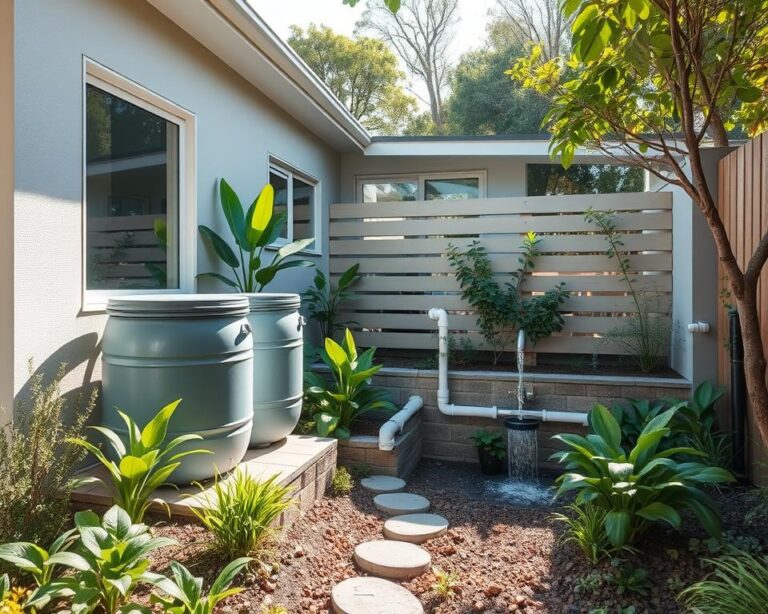
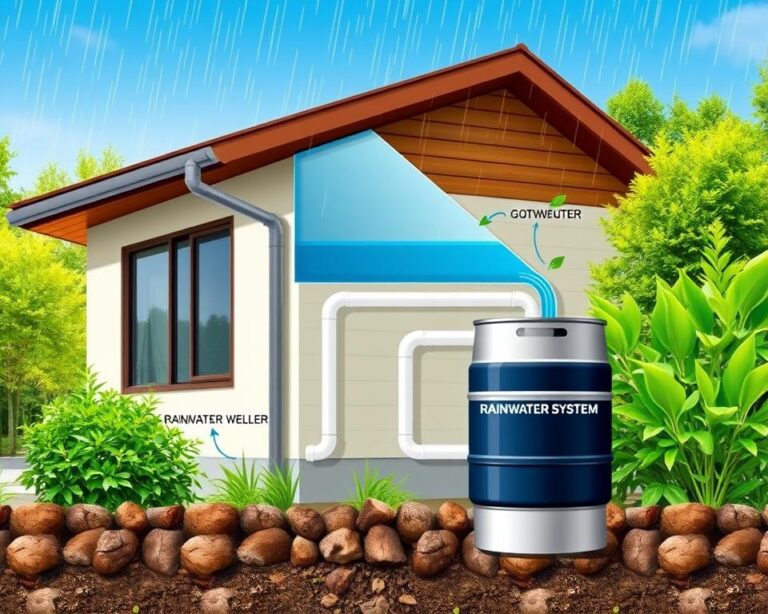
Greywater systems recycle water from showers and sinks. They treat the water and use it for flushing toilets or watering gardens, following local laws. This reduces fresh water use, especially in dry areas.
Installing greywater systems needs to follow local rules. You might need permits. It’s important to use qualified plumbers for installation and upkeep. Always check local regulations first.
A quick comparison helps homeowners decide.
| Feature | Smart Appliances | Advanced Recycling |
|---|---|---|
| Main benefit | Less water use per cycle; feedback on habits | Reduces need for fresh water |
| Typical examples | Internet-connected washers and smart valves | Greywater systems and reclaim units |
| Installation | Easy setup or minor plumbing work | Needs a plumber and permits |
| Maintenance | Updating software and checking sensors | Changing filters and checking disinfection |
| Best fit | Homes in cities and suburbs updating appliances | Homes that can reuse water for the garden |
Interest in these water-saving options is growing. Cities with water shortages lead the demand. Combining smart appliances with recycling systems increases savings. It also helps cities be more resilient.
For how to start and learn more, check this resource on water-saving technology: 7 technology solutions for effective water.
Consumer Awareness and Education
Smart buyers pick better devices. They use clear labels and easy-to-understand metrics. This aids them in comparing devices and forecasting savings. Programs and workshops push for efficient habits and lasting products.
Understanding Labels and Ratings
The EPA’s WaterSense program checks water efficiency of products. ENERGY STAR shows which appliances save energy and water. Knowing these labels helps shoppers.
Important metrics help you compare. For washers, look at the water used per cycle. For faucets, it’s water flow rate. Toilets have a gallons per flush rating. These numbers help predict yearly water use and costs.
Tools like online lists by EPA and ENERGY STAR are helpful. Consumer Reports tests products in real situations. Manufacturer specs detail tech aspects and coverage. A mix of sources offers a complete view.
Responsible Consumption Practices
Changing simple habits reduces waste. Only run full machines. Let dishwasher sensors deal with dirty dishes. Taking shorter showers and fixing drips saves more water.
Select tough, fixable products when you can. Register for warranties and stick to care guidelines. This keeps appliances running longer, saving resources and money.
Community efforts boost results. Utilities often give discounts for water-saving items. Local stores and groups teach about efficient updates. It’s also key to follow your area’s rules for water systems.
Telling your family or renters about smart settings helps a lot. Teaching them about load sizes and sensors matters. Small but regular steps make water-saving tools work better day by day.
The Future of Water Efficiency in Appliances
In the next ten years, the way we use water at home will change a lot. Companies and service providers want to use less water but keep things easy for us. New technologies will make our appliances smarter and more connected to our homes.
Sensors and smart software will help appliances understand how much laundry or dishes they have to clean. They’ll adjust how they operate to use less water and power. This is a big step towards using water-saving appliances in our everyday lives.
Trends in Appliance Technology
Thanks to sensors and smart learning, brands like Whirlpool and Samsung can make washing machines use water better. They’ll make sure dishwashers, washers, and water heaters work together to waste less. This smart use of water and energy will be key for selling the newest appliances.
We’ll see more systems that recycle water in homes, not just in special projects. Builders and companies will find ways to reuse water in both big and small homes. New kinds of materials and filters will make appliances last longer and work better with less care.
Expected Market Growth
People will want these efficient appliances more because of special discounts, rising bills, and new rules. Experts think the demand for these water-saving devices will keep going up in the U.S. Places that don’t get much rain, like California, Arizona, and Texas, will be the first to use them a lot.
Local offers and new building codes will encourage companies to make more of these products. There are still challenges, like the high initial cost and confusing rules about recycling water. But teaching people and programs from utility companies will help solve these problems over time.
| Driver | Impact | Example |
|---|---|---|
| Sensor and AI integration | Reduces water per cycle by adapting to load | Smart washers from LG and Samsung with auto-sensing cycles |
| Dual water-energy optimization | Improves household efficiency and lowers bills | Heat-pump water heaters paired with efficient dishwashers |
| Greywater reuse growth | Cuts potable water demand and sewer costs | On-site reuse systems for multifamily developments |
| Policy and incentives | Speeds adoption and reduces payback time | State rebate programs and updated codes in drought-prone states |
| Material and filtration advances | Lower maintenance, longer appliance life | Improved filtration cartridges and corrosion-resistant parts |
Conclusion
Buying water-saving appliances brings real rewards for U.S. homes. By switching to newer washers, toilets, and showers, we use less water. This also means using less energy for water handling. Families notice lower bills right away. They also see their water use drop over time.
Begin by figuring out what your home needs most. Highly efficient toilets and ENERGY STAR washers are good to start with. Pick products certified by WaterSense and ENERGY STAR. Look into well-known brands. Make sure they’re installed right and taken care of. For tips on saving and comparing devices, check out benefits of using water-efficient appliances.
Using water-smart appliances and changing how we use water can really help. Fix leaks, run full loads, and think about systems set for greywater. This way, homes can greatly reduce how much water and money they use. Plus, they help our environment. Choosing to use water wisely isn’t just about money. It’s also about keeping our water safe and available for everyone in the future.