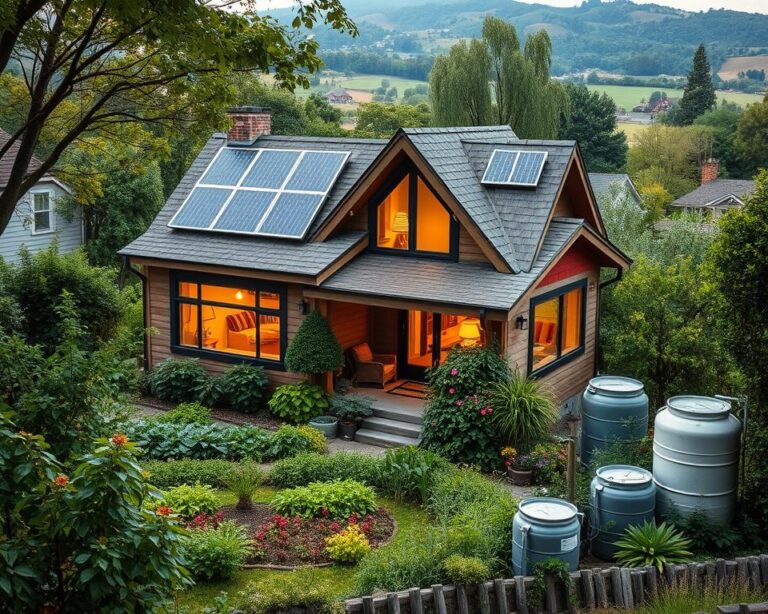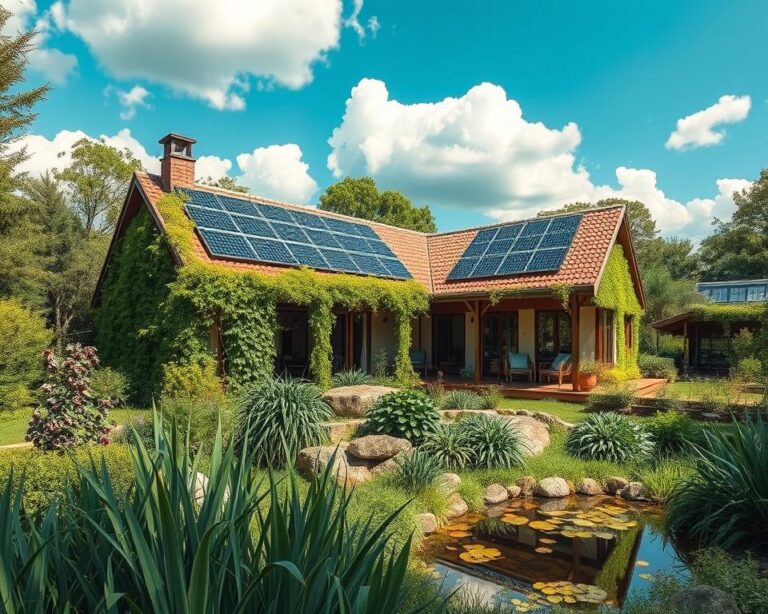

This guide is for homeowners, renovators, and builders. It helps pick healthy home materials to reduce chemical exposure and boost indoor air quality. You’ll learn to assess spaces, select safer products, install properly, and maintain materials for ongoing health benefits.
It emphasizes paints, wall coverings, floors, insulation, furniture, kitchen surfaces, and ventilation. The focus is on eco-friendly materials and green supplies. These options not only meet your needs for performance and durability but are also better for the environment.
Switching materials can lower harmful VOCs and formaldehyde and reduce allergens. It also helps avoid flame retardants and PFAS, and limits mold by using breathable materials. These changes can make your home more comfortable and healthier in the long run.
You’ll get useful tips like product recommendations and questions to ask suppliers. There’s info on certifications, cost versus performance, and how to maintain materials. It also points you to non-toxic products and eco-friendly building materials for safe options.
Key Takeaways
- Healthy home materials reduce chemical exposure and improve indoor air quality.
- Assess, choose, install, and maintain products to preserve health benefits.
- Look for certified eco-friendly building materials and green building supplies.
- Prefer breathable, low-VOC finishes and organic home materials when possible.
- Balance cost, performance, and long-term health outcomes in decisions.
Understanding the Importance of Healthy Home Materials
Choosing the right materials is more than about looks. It impacts your health, costs over time, and the environment. This guide will show you what to look for in walls, floors, and insulation for a healthier choice.
Defining Healthy Home Materials
Healthy home materials are made, found, and finished to cut down toxic chemicals and help air quality. Some examples are low-VOC paints, wood that’s FSC-certified, and insulation from natural fibers like wool. These options use sustainable materials and are safe for people to be around.
Benefits of Choosing Safer Options
Choosing safer products brings quick health benefits. People often have fewer headaches, less asthma, and not as many allergies.
Choosing organic and eco-friendly materials also helps the planet. It means less carbon and waste and saves forests by using reclaimed or certified wood.
Over time, these choices also help your wallet. Eco-friendly homes can sell for more and don’t cost as much to fix or maintain. Buildings that breathe and resist mold save money on repairs.
Link to Indoor Air Quality
Materials affect air quality by releasing VOCs and other compounds. Pressed wood gives off formaldehyde. Finishes can also pollute the air.
To improve air quality, start by getting rid of items that emit formaldehyde or contain harmful chemicals. Then, pick alternatives that are safe and fit your budget.
For information, buyers can look to EPA’s IAQ guidelines, California’s chemicals warnings, and certifications like GREENGUARD and FSC. These help confirm claims about safe and green building materials.
Materials for Healthy Walls
Choosing the right materials for your walls is crucial for indoor health and durability. This section goes over safe options for paints, wallpapers, and other coverings. These choices reduce pollutants and offer beautiful, natural finishes for your home.
Non-Toxic Paints and Finishes
When picking paint, look for low or zero-VOC options and water-based acrylics. GREENGUARD Gold and Green Seal certifications show low emissions. Brands in the U.S. like Benjamin Moore Natura, Sherwin-Williams Harmony, and AFM Safecoat fit these criteria. Benjamin Moore and Sherwin-Williams offer many colors and good coverage for a fair price. AFM Safecoat is best for those with sensitivities but is pricier.
For trim and cabinets, think about using waterborne polyurethane, shellac, or natural oils like tung and linseed oil. These keep surfaces strong and chemical-free. Always check the product details (TDS and SDS) to learn about VOCs and how to use them safely.
Sustainable Wallpaper Choices
For healthier wallpaper, choose PVC-free or non-woven natural fibers, and look for water-based inks. These choices cut down on plastics and solvents. Pick low-VOC glues or starch-based pastes to avoid harmful fumes from regular adhesives.
Brands focused on sustainability will share what materials they use. Always look at product info to understand fiber sources, ink types, and glue recommendations. Trying out a small sample first lets you check for smell, feel, and durability against light and cleaning.
Alternative Wall Coverings
Reclaimed wood and bamboo panels add warmth and are eco-friendly when sourced right. Cork tiles are sound-absorbing, tough, and sustainable. Natural stone veneer and plasters made from clay or lime are long-lasting and have minimal chemicals.
Clay and lime plasters let walls “breathe” and prevent mold because they are naturally alkaline. They work great in living areas and help control humidity. For wet rooms like bathrooms and kitchens, choose water-resistant finishes as advised by the makers. Pair plasters with waterproofing for these areas.
With cork or bamboo, go for water-based sealants or natural oils to keep your home toxin-free. If you’re using reclaimed wood, double-check its history to steer clear of lead paint or harmful chemicals.
Practical tips
- Test samples on your walls to check for smells, coverage, and cleaning resilience.
- Let new installations air out for 48–72 hours if possible, and use fans to help clear out fumes faster.
- Look at TDS and SDS sheets to verify VOC levels and potential hazards before buying.
- Choose products with clear ingredient lists and opt for eco-friendly materials that match your needs and budget.
Healthier Flooring Options
Floor choices can change your daily comfort, what you breathe, and your long-term health. Homeowners who prefer healthy materials notice flooring matters as much as paint and furniture for air quality. We’ll talk about wood, soft coverings, and tile options. These choices are good for your home, the planet, and use sustainable stuff.
Choosing Natural Wood Flooring
Choosing solid hardwood or engineered wood from eco-friendly sources helps the planet. Using wood like oak, maple, and ash from close by means less pollution from shipping and supports local jobs.
What finishes you use on the wood is important for clean air inside. Pick water-based or natural finishes to avoid harsh chemicals. For engineered wood, look for ones that don’t give off formaldehyde.
How you install wood flooring can also cut down on pollution. Systems that don’t use much glue keep air cleaner. If glue is needed, choose ones without harmful chemicals.
Non-Toxic Carpets and Rugs
Rugs from natural fibers like wool, jute, and sisal break down naturally and have fewer man-made materials. Choose carpets with a CRI Green Label Plus for less pollution.
The stuff under the carpet matters too. Avoid carpets with PVC and pick padding made from safer materials. This helps avoid harmful chemicals.
Keeping carpets clean helps avoid allergies. Vacuum with HEPA filters and spot-clean with safe cleaners. Look for clear labels to be sure about eco-friendly claims.
Sustainable Tile and Stone Alternatives
Ceramic, porcelain, and stone tiles are safe choices that don’t pollute indoor air. But their environmental impact varies, so choose recycled tiles or stone that’s responsibly sourced.
The type of grout and mortar you choose affects air quality too. Go for options that are low in harmful chemicals. Avoid products with high pollutant levels.
In wet areas, choosing the right tile can help prevent slips without needing chemical treatments. Tiles with texture or special treatments are best for safety.
Maintenance and Indoor Air Considerations
Regular cleaning keeps your home healthier. Clean with microfiber mops and vacuums that trap dust well. Choose cleaning products that are low in harmful chemicals and safe for your family.
| Floor Type | Key Benefits | Health / VOC Notes | Best Certifications or Specs |
|---|---|---|---|
| Solid Hardwood | Durable, repairable, natural home finishes | Low emissions when finished with water-based or natural oils | FSC, local sourcing, low-VOC finish labels |
| Engineered Wood | Stable in humidity, uses less solid timber | Choose CARB II or TSCA Title VI compliant adhesives | FSC, CARB II / TSCA Title VI compliance |
| Wool / Natural Fiber Rugs | Biodegradable, good resilience | Low synthetic chemicals when untreated | Woolmark, CRI Green Label for treated carpets |
| CRI Green Label Carpets | Lower VOC emissions for indoor air | Verify backing materials and pad composition | CRI Green Label Plus |
| Ceramic / Porcelain Tile | Inert, durable, easy to clean | Low off-gassing; manufacturing energy varies | Recycled-content, EPDs, low-VOC grouts |
| Recycled Glass Tile | Uses post-consumer materials, unique look | Minimal emissions after curing | Recycled content labels, environmental product declarations |
| Natural Stone | Long-lasting, inert surface | Quarrying impacts; choose sustainably sourced stone | Sustainable quarry certification, chain-of-custody proof |
Safe Insulation Materials
Choosing the right insulation is crucial for comfort and health indoors. We’ll look at options that are good for keeping homes warm or cool, healthy, and eco-friendly. We’ll cover how to install them, what treatments are common, and what products to avoid.

Natural Fibers: Wool, Cotton, and Hemp
Wool deals with moisture well, doesn’t mold, and keeps its shape. This helps it maintain its insulating value in various weather. It’s available as batts or loose-fill and is great for blocking heat and sound.
Cotton insulation, often from recycled denim, feels soft and is dense. It insulates as well as fiberglass but is safer. It’s treated with borate to resist pests and mold. Make sure to check what treatments are used to stay safe.
Hemp is great for insulation and soundproofing, and it doesn’t require much energy to produce. You can get it in batts or loose-fill. It’s also more natural, needing fewer chemicals, which appeals to those building green.
Recycled Content Insulation
Cellulose insulation comes from recycled newspapers and gets a borate treatment. It’s good for both heat and sound, and doesn’t break the bank. Whether it’s packed tight or loose, keeping dust down and sealing it right is key.
Recycled denim takes old jeans and turns them into insulation. It’s easier on the skin than fiberglass. And fiberglass with a lot of recycled glass also cuts down on carbon while keeping houses warm or cool.
Using recycled materials in insulation is smart for green building. But, it’s vital to manage air and moisture right to avoid problems.
Avoiding Harmful Chemicals in Insulation
Some insulation materials have harmful chemicals. Stay away from those with HBCD or halogenated flame retardants. Also avoid insulation with PFAS or formaldehyde binders if you can.
Closed-cell foams might release nasty gases because of the HFC or HCFC they contain. Soy-based open-cell foams are better for the air but check what’s in the resin and how it’s installed.
Mineral wool doesn’t burn and isn’t full of bad chemicals. Fiberglass without formaldehyde is also safe. Look for products that have safety certifications or are on the Red List-free list from the Living Building Challenge.
Good sealing and managing moisture matter as much as choosing the right insulation. Bad installation can trap moisture, lower insulation performance, and cause mold. Hiring professionals who follow the rules ensures that your insulation works well and keeps your home healthy.
The Role of Ventilation in Healthy Homes
Good ventilation makes indoor air fresh and safe. It lowers harmful substances from paints, furniture, and cleaners. By choosing healthy materials and safe products, we can improve air quality easier.
Benefits of Proper Ventilation
Ventilation makes our air cleaner. It keeps humidity low to stop mold. It also removes CO2, making us more alert.
Lowering harmful substances is easier with green building choices. Picking the right materials lessens the load on our ventilation.
Options for Natural Ventilation
Passive designs use the shape and location of buildings. They use windows and vents to move air naturally. This way, fresh air comes in, and stale air goes out.
Vents with screens stop bugs but let air flow. Design features like porches help keep the building cool while bringing in fresh air.
In extreme weather or polluted areas, we might need filtered systems. Hybrid systems can help keep the air healthy then.
Mechanical Ventilation Solutions
With mechanical systems, we get consistent ventilation all year. There are different types, like exhaust-only and balanced systems. These systems can both bring in and send out air.
Heat recovery systems make ventilation efficient. They save energy by reusing heat. Some also manage moisture, helping keep the air comfortable.
Choosing the right system size is important. They should match home standards for air changes. Using good filters helps remove even tiny particles and harmful gases.
Smart systems adjust air flow based on how many people are in the room and CO2 levels. Combining ventilation with your HVAC system makes it work better. This supports green building practices too.
| Ventilation Type | Key Benefits | Best Use |
|---|---|---|
| Natural (cross-ventilation, stack effect) | Low energy use, simple, uses outdoor air directly | Mild climates, well-oriented homes, rural settings |
| Exhaust-only mechanical | Simple, removes indoor air, cost-effective | Renovations where supply ducting is hard to add |
| Supply-only mechanical | Controls fresh air intake, can be filtered | Urban homes needing filtered outdoor air |
| Balanced with HRV | Recovers heat, steady ventilation, energy-efficient | Cold climates seeking heat savings |
| Balanced with ERV | Recovers heat and some moisture, humidity control | Humid or mixed climates where moisture balance helps |
For best indoor air, combine ventilation with removing pollution at its source. Use non-toxic products and choose healthy materials. To catch pollutants, upgrade to better filters like HEPA.
The Impact of Furniture Materials
Choosing the right furniture can improve indoor air and long-term health. Pieces from responsible sources with low emissions help avoid harmful chemicals. Making small changes in buying and care makes our homes safer.
Selecting Low-VOC Furniture
Furniture can give off VOCs due to adhesives and finishes. To avoid these, look for GREENGUARD Gold certified items or those meeting California TB117-2013. Choosing solid wood with water-based finishes and low-emission glues helps too.
Let new furniture air out in a ventilated space for a few days. Cleaning upholstery with a HEPA filter and using low-VOC cleaners also cuts down on indoor air pollutants.
Benefits of Sustainable Wood
FSC-certified and reclaimed woods are sustainable and reduce carbon emissions. Reclaimed wood also adds a unique look and keeps material out of the dump. When buying engineered wood, check for CARB II or TSCA Title VI compliance to ensure low formaldehyde levels.
Using sustainable materials in furniture supports our environment. They fit well with other organic materials in a home. This encourages manufacturers to use cleaner production methods.
Upholstery and Fabric Choices
Choosing natural fibers like cotton or hemp cuts down on synthetic finishes. PFAS-free performance fabrics offer stain resistance without harsh chemicals. Opt for removable covers you can wash to avoid chemical sprays.
For stuffing, go for natural latex or certified safe foams. Use beeswax or plant-based treatments for water repellency. These choices are better for health and support non-toxic home environments.
Care and Maintenance
Air out new items, vacuum with HEPA filters, and use mild cleaners for spot-cleaning. This keeps your indoor air healthy. Regular maintenance extends furniture life and lessens environmental damage by reducing the need to buy new pieces.
Non-Toxic Kitchen Materials
The kitchen stands as the heart of daily life, a place for meals, family, and action. Choosing safe materials for surfaces, cabinets, and flooring cuts down on harmful chemicals. This ensures the air inside your home stays clean for years. Pay attention to what things are made of, how to seal them, and how to keep them up. This keeps kitchens safe and working well.
Safe countertop options
Natural stones like granite are strong and emit few gases if set up without too much resin. Engineered quartz is okay if it’s made with low-smelling resins. Always ask for GREENGUARD or similar tests. Using recycled glass for counters looks good, reduces trash, and is safe if sealed right.
Concrete lets you pick unique shapes and colors. Choose concrete sealed with low-smelling, safe sealants. Do the needed upkeep to stop stains and germs. Solid surfaces with low emission certificates are also a good pick for smooth, easy-to-fix counters.
Eco-friendly cabinets and storage
Hardwood cabinets with water-based finishes are healthier than those with solvent-based ones. Look for plywood or MDF that doesn’t have formaldehyde; these should be labeled or meet CARB Phase 2.
Choosing FSC-certified wood makes sure the wood was harvested right. Cabinetmakers who list what glues and parts they use helps you avoid harmful gases. Both ready-made and custom options now focus on being open about materials and avoiding toxic chemicals.
Healthy flooring for kitchens
Tile and natural stone are waterproof and don’t give off harmful gases, making them top choices. Wood that’s cut in a way that’s good for forests and sealed well keeps your kitchen looking and feeling great.
Cork is comfy to walk on and lasts long if sealed right. Linoleum, made from natural materials, is a green choice that can handle a lot of foot traffic.
Avoid vinyl floors since they might have harmful plasticizers and gases. If you need to go with vinyl, make sure it’s free from phthalates and has passed emission tests.
Practical maintenance
Having good airflow is key, both after putting new things in and while cooking. Wipe up spills right away and use safe cleaners like vinegar or plant-based ones. Keeping things clean helps you get the most out of the green materials you chose in the beginning.
| Kitchen Element | Preferred Choices | What to Verify |
|---|---|---|
| Countertops | Granite, quartzite, recycled glass, sealed concrete, GREENGUARD solid-surface | Low-VOC resins, food-safe sealers, manufacturer emissions testing |
| Cabinets & Storage | Solid hardwood with water-based finish, FSC plywood, formaldehyde-free panels | Adhesive disclosure, low-VOC glues, avoidance of PVC laminates |
| Flooring | Natural tile, stone, sustainably harvested wood, cork, linoleum | Durable low-VOC finishes, proper sealers, certification for non-vinyl composition |
| Cleaning & Upkeep | Vinegar-based cleaners, plant-derived enzymatic cleaners | Avoid ammonia or solvent cleaners, maintain ventilation, clean spills promptly |
Building with Responsible Materials
Choosing building materials impacts our health, waste, and long-term costs. Here’s a guide on finding reclaimed materials, sustainable options, and key certifications for green building supplies.

Sourcing reclaimed materials
Reclaimed wood, bricks, and fixtures reduce carbon footprint and waste. Salvaged pieces add a unique look and avoid the pollution from new materials.
Search for these items at salvage yards, Habitat for Humanity ReStores, and trusted suppliers. Always ask for proof of an item’s history and repair work.
Examine each piece for strength, pests, and previous finishes. Be mindful of hazards like lead paint or asbestos. If the item will be part of the building’s structure, get a written report on its condition.
New innovations in sustainable construction
Cross-laminated timber offers strength with less carbon. Prefab and modular parts also reduce waste and raise quality.
Mycelium composites and hempcrete provide natural insulation. New foam technologies also lower emissions from insulation.
Designing buildings to be easily taken apart makes recycling materials simpler. This, along with prefabrication, cuts down on waste and promotes the use of green materials.
Certification standards to look for
Look for trusted labels like the Forest Stewardship Council (FSC) for wood. GREENGUARD certifications mean low emissions for indoor items.
Green Seal looks at the eco-friendliness of paints and sealants. Cradle to Cradle focuses on recyclable design. Declare labels warn about harmful chemicals.
ENERGY STAR is for efficient appliances. LEED and Passive House measure overall building performance. When buying green materials, check for Health Product Declarations and Environmental Product Declarations.
Ask manufacturers for safety and technical data sheets. Hiring contractors knowledgeable in green construction ensures proper installation. This way, making responsible buying decisions leads to responsible construction outcomes.
Advances in Healthy Home Technology
Smart devices and sensors are changing the way we keep our indoor air safe. They also help maintain healthy home materials. Today, monitors can check for pollutants like fine particulates, CO2, and VOCs. They also watch humidity and temperature levels. Air purifiers use HEPA filters and activated carbon to clean the air. It’s wise to steer clear from ozone generators and questionable ionizers.
Air quality monitors vary, from basic PM2.5 trackers to advanced devices that also sense VOCs and CO2. Top sensor brands in the U.S. include Airthings, PurpleAir, and IQAir. These gadgets can connect to smart systems, triggering air purifiers or ventilation when needed. Choose a monitor that can log data and show air quality trends over time.
Purifier technology is important. True HEPA filters trap PM2.5 particles and above. Activated carbon is good for removing VOCs and odors. Systems that combine both offer more complete air cleaning. Make sure the purifier fits the room size and check its CADR ratings. Keep them running well by replacing filters as suggested by the maker.
Smart thermostats like Nest and Ecobee make heating and cooling more efficient. They also help maintain good air quality indoors. Features like zoned HVAC and demand-response help cut down energy use. Adding sensors for humidity and CO2 can make ventilation systems run only when needed. This smart setup saves energy and helps eco-friendly materials last longer.
Sensors for humidity and leaks protect the structure of your home. Devices that detect leaks and check crawlspace humidity offer early alerts. These can sync with apps to set inspection reminders. This smart planning can prevent mold growth and safeguard health-friendly home products.
Home health data apps let homeowners track air quality and upkeep schedules. Many systems work well with popular smart home setups, offering easy automation. When choosing these platforms, look into their privacy policies. Also, make sure they work with your green building choices.
For best results, focus on monitoring sleep and play areas first. Match air purifiers with efforts to control pollution sources. Plan for the costs of replacing filters and sensors. Use these technologies to complement eco-safe products and durable materials. Good upkeep ensures the systems work well and keeps your eco-friendly home in top shape.
Resources for Homeowners
Homeowners aiming for healthier living spaces find value in reliable resources. This section highlights trusted certification bodies and ways to locate eco-friendly renovation contractors. It also touches on respected further reading about healthy home materials. Plus, it provides practical next steps and helpful tools for product and installation checks.
Certification Organizations
For checking product claims, look at groups like GREENGUARD, Green Seal, and the Forest Stewardship Council (FSC). These organizations focus on indoor emissions, product sustainability, and responsible wood sourcing. Cradle to Cradle and Declare help with material transparency and avoiding hazardous substances. ENERGY STAR evaluates appliances, and the Living Future Institute manages the Living Building Challenge. They all offer online databases to ease the search for green building materials.
Eco-Friendly Renovation Contractors
To find sustainable construction experts, start with local green building councils and US Green Building Council chapters. Check Passive House consultants and directories like the National Association of the Remodeling Industry (NARI) for green-credentialed professionals. Ask contractors for references, pictures of past work, certification proof, knowledge of low-VOC products, and clear warranties. Also, request Material Safety Data Sheets (SDS) or Technical Data Sheets (TDS).
Further Reading on Healthy Home Materials
For thorough learning, consider EPA guidelines on indoor air quality and ASHRAE’s ventilation standard 62.2. Also, look into publications from the National Institute of Building Sciences. The BuildingGreen Product Guide and Healthy Building Network provide detailed reviews on sustainable materials. Check Health Product Declarations (HPDs) and Environmental Product Declarations (EPDs) for in-depth material information.
To ensure quality post-installation, think about professional air quality tests. Also explore local incentives for green materials. Buyers and renovators should visit a concise resource hub for more guidance at homebuyer resources.