
Small moments matter, like wondering if a jar can be reused, or turning down the heat before bed. These small choices make a big difference. For U.S. homeowners and renters, starting with Sustainable Daily Habits for a Cleaner Home leads to a calmer home, cleaner air, and lower bills.
This guide is practical and focuses on actions you can repeat every day. It shows that simple choices—like changing cleaners, using less plastic, and adjusting your thermostat—have real benefits. The EPA has found that small behavioral changes can save water and energy at home. The DOE says that just changing your thermostat slightly and using appliances more efficiently can lower your energy costs.
This article has green living tips that are easy to fit into your life. It includes doable routines, product recommendations, DIY ideas, and ways to change your habits. It covers everything from starting with a new mindset and simple swaps to saving energy and water, shopping sustainably, cutting down waste, and making long-term eco-friendly choices for your home.
Begin with one to three eco-friendly habits, keep an eye on your waste and utility costs, and see the difference it makes. Over time, these small actions can lead to a cleaner home, better air quality indoors, and savings on costs in the long run.
Key Takeaways
- Small, repeatable habits make sustainable lifestyle choices manageable and lasting.
- Simple swaps and thermostat changes can lower energy bills per DOE findings.
- Reducing single-use items and choosing green cleaners improves indoor air quality.
- Measure progress by tracking utility costs and household waste over weeks.
- The guide offers practical green living tips and eco-conscious housekeeping steps for immediate use.
Introduction to Sustainable Living
Making small daily choices helps us live sustainably. By adopting green home habits, families reduce energy and water use. This also lessens the trash we send to landfills, protects local resources, and lowers our carbon footprint.
Importance of Sustainable Practices
In the U.S., homes use a lot of energy and water. The EPA suggests reducing waste to help ease this issue. The National Renewable Energy Laboratory also shows that making homes more energy-efficient lowers demand.
Switching to less toxic cleaning products and eating fresher foods improves health. It makes the air inside better, which can ease breathing problems and allergies.
Financial benefits also encourage families to make eco-friendly updates. The Department of Energy and utility companies offer deals on green products. This makes it cheaper to start and saves money over time.
Overview of Daily Habits
Our daily routines matter a lot. The guide suggests cutting down on plastic use, picking eco-friendly cleaning products, and saving energy and water. It also recommends buying local food, keeping things tidy, recycling, using green materials for home fixes, and having plants to clean the air.
Simple acts like turning off unused lights, fixing dripping taps quickly, and composting food waste lead to big savings. These small steps can really lower your bills and reduce garbage.
Tracking your savings can show the impact of these choices. Look at your utility bills, how much trash you produce, and if you’re buying fewer disposable items. Monitoring these can show how much better the air inside feels, too. This feedback encourages families to keep up with their green habits.
Reducing Single-Use Plastics
Small changes at home can greatly reduce waste and save money. Incorporating the reduction of single-use plastics into your everyday routine is easy and eco-friendly. It’s all about making lasting changes that make sense.
Alternatives to Plastic Products
Go for items that you can use again instead of single-use plastics. Stainless steel bottles from Hydro Flask or Klean Kanteen are great and last a long time. Glass and stainless-steel containers from Pyrex and OXO keep your food fresh safely.
Silicone bags from brands like Stasher and beeswax wraps from Bee’s Wrap are good alternatives to cling film. Use cotton or recycled PET shopping bags and mesh bags for produce to cut down on single-use bags.
Choose bamboo or metal for utensils and straws when you’re eating out. Refillable cleaning products from Blueland and Cleancult reduce waste and are better for the planet.
Shopping in bulk at places like Costco reduces packaging. Using concentrated cleaners and laundry soap also lessens transport waste and supports the planet.
Tips for Avoiding Single-Use Items
Always have a reusable bag and water bottle ready by the door or in your car. This stops you from buying bottled drinks and groceries in plastic bags.
Plan your grocery shopping to avoid buying packaged items on impulse. Bring your own cutlery and a cloth napkin to work or when traveling to avoid throwaway items.
Cooking more at once and using reusable containers for leftovers helps. Instead of throwing away food scraps and using paper towels, try composting and using cloth towels.
If you like convenience, put together a kit with a bottle, cutlery, produce bags, and a container. It costs a bit upfront but saves money and waste in the long run.
Try using refill stations at local stores and take-back programs for packaging. Many supermarkets recycle plastic wrap and certain shops let you refill personal care and cleaning products.
| Item to Replace | Reusable Alternative | Benefits |
|---|---|---|
| Single-use water bottle | Hydro Flask or Klean Kanteen stainless bottle | Durable, reduces plastic waste, lower long-term cost |
| Plastic food wrap | Bee’s Wrap or glass Pyrex containers | Reusable, safer for food storage, less landfill waste |
| Disposable sandwich bags | Stasher silicone bags | Heat-safe, reusable, versatile for storage and cooking |
| Paper towels and napkins | Cloth towels and napkins | Washable, cost-effective, reduces paper waste |
| Single-use cleaning bottles | Refillable refills from Blueland or Cleancult | Less plastic packaging, supports natural cleaning habits |
| Plastic shopping bags | Cotton or recycled PET tote and produce bags | Sturdy, reusable, easy to store, reduces store plastic use |
Eco-Friendly Cleaning Products
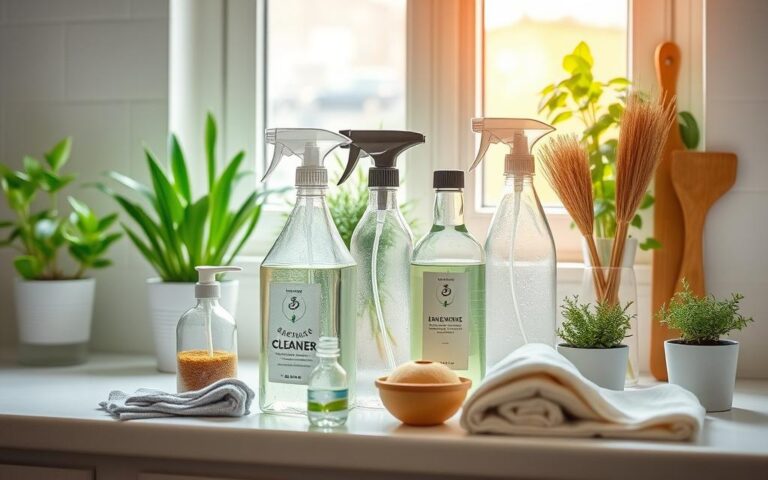
Choosing eco-friendly cleaning supplies is easy and effective. Look for labels like EPA Safer Choice and Green Seal. Choose products with cruelty-free packaging that’s recyclable and prefer enzyme or plant-based cleaners.
Pick concentrated, multi-use products to lessen clutter and lower transport emissions.
Brands with good reputations include Seventh Generation, Mrs. Meyer’s, and Method. Also, consider Blueland and EarthKind for eco-friendly pest control. Always read ingredient lists and check for third-party certifications to avoid greenwashing.
DIY cleaning solutions help save money and reduce waste. Using simple pantry items, you can make effective cleaners without harsh chemicals.
All-purpose cleaner: Mix equal parts white vinegar and water with a bit of castile soap. It’s great for counters but not for granite or marble. Glass cleaner: Mix water with white vinegar or rubbing alcohol for clean windows. Scrub paste: A mix of baking soda and water is perfect for sinks and ovens. Whitening and disinfecting: Use hydrogen peroxide as a safe bleach alternative.
When making cleaners, safety is key. Never mix vinegar and bleach. Acidic cleaners can damage natural stone. Keep homemade products labeled and away from kids. Use essential oils lightly and test them on surfaces first.
DIY cleaners save money and cut down on packaging waste. Simple math shows pantry staples are cheaper than commercial products. Pair DIY cleaners with reusable tools for more environmental benefits.
Microfiber cloths and reusable mop pads help save on waste. Choose quality microfiber and wash them in cool water. Don’t use fabric softeners to minimize shedding.
Using eco-friendly cleaning practices helps homes stay clean and green. This approach doesn’t sacrifice cleanliness for sustainability.
Energy Conservation Practices
Small changes in our routine can reduce energy use. They also make our living spaces clean and efficient. By following the tips below, we can use less electricity and enjoy natural light more.
Turning off lights and appliances
Start by turning off lights in empty rooms. Leaving lights on adds up to your bill each month. Also, unplug things like phone chargers and coffee makers when you’re not using them to save energy.
Smart power strips help turn off many devices at once. You can set computers and printers to sleep mode overnight. Features like energy-saving modes on TVs and games also help reduce energy use.
Switching to LED bulbs can lower your energy use for lighting by up to 75%. Smart bulbs or timers can help control lighting automatically. This helps prevent accidentally leaving lights on.
It’s important to keep your big appliances in good shape. Cleaning and maintaining them helps them use less energy. This means lower energy bills and a happier planet.
Utilizing natural light
Letting sunlight in at dawn helps light up your home for free. Set up work and reading areas near windows to use daylight. This reduces your need for electric lights during the day.
Use light-colored walls and mirrors to make rooms brighter. In the winter, let sunlight in to warm up your home. In summer, use shades to keep your home cool.
Upgrading your windows can also help control your home’s temperature. This means relying less on heating and cooling systems. Some energy-efficient windows might even get you a rebate, saving you money.
| Action | Estimated Savings | Easy Tools |
|---|---|---|
| Switch to LED bulbs | Up to 75% lighting energy savings | LED bulbs, smart bulbs, timers |
| Use smart thermostat (Nest, ecobee) | 10–12% heating/cooling savings | Smart thermostat, app scheduling |
| Unplug idle electronics | Reduces vampire loads by 5–10% | Smart power strips, routine checklist |
| Maximize daylight | Lower daytime lighting needs by 30%+ | Window treatments, reflectors, layout changes |
| Seal windows and doors | Reduces HVAC demand and heat loss | Weatherstripping, caulk, low-e upgrades |
Adopting these tips is easy and can save you money. They are part of living a green lifestyle and keeping your home clean. Making these small changes can lead to big savings and benefits.
Water-Saving Techniques
Small changes at home can really help lower bills and protect local waters. Easy actions can be part of daily life, helping the environment without giving up comforts.
Efficient Use of Water in Daily Activities
Shortening showers to 5–8 minutes reduces water use. Turn off the tap while brushing or shaving to avoid wasting water. Only run dishwashers and washing machines with full loads to save water and energy.
Switch to low-flow showerheads and faucet aerators to use less water in showers and sinks. EPA WaterSense-labeled products maintain great performance while using less water. They can save up to 20 percent on indoor water.
Laundry habits are important. Washing in cold water and air drying clothes save water and energy. This supports a more sustainable way of living.
Fixing Leaks Promptly
A single leaky faucet can waste a huge amount of water each year. The EPA says household leaks can waste about 10,000 gallons annually.
To find leaks, check the water meter when water isn’t being used. Testing the toilet with food coloring can show leaks into the bowl. Fixing leaks often just means replacing simple parts. For bigger issues, a licensed plumber can help.
Doing checks on irrigation systems and hoses regularly is good prevention. Many places offer rebates for water-saving products and have programs to help find leaks, making it easier and cheaper to save water.
Sustainable Grocery Shopping

Smart choices in grocery shopping can help our planet and save money. It’s about buying things that need fewer resources, don’t travel far, and have minimal packaging.
Choosing local and seasonal fruits and veggies helps local farms and reduces food miles. Such produce is usually fresher, more nutritious, and requires less water and chemicals. This lowers energy use and harmful runoff into our environment.
Taking practical steps is key. Shop at farmers markets or join a CSA. Find out when fruits and veggies are in season with local guides. Pick produce that isn’t pre-packaged and use your own bags for them.
Buying in bulk at grocery stores cuts down on single-use packaging and reduces waste. Stores like Whole Foods Market have bulk sections. Buying only what you need helps control portions and limits waste.
Planning your meals and shopping with a list can prevent food waste. It helps you buy just what is needed. Planning stops you from making impulse purchases and keeps everything on track.
Get creative with leftovers to avoid wasting food. Freeze what you don’t eat right away, preserve vegetables, or seal cooked grains. Organize your fridge so the oldest food gets used first.
Apps can also reduce food waste by tracking when food will expire. Platforms like Food Rescue share extra food with local groups, helping those in need and keeping food out of landfills.
| Action | Benefit | Practical Tip |
|---|---|---|
| Buying local and seasonal produce | Lower food miles, fresher produce, fewer inputs | Shop farmers markets or join a CSA; check extension seasonal guides |
| Choosing loose and bulk items | Less packaging, precise quantities, cost savings | Bring reusable bags; use bulk bins at stores like Whole Foods |
| Meal planning and shopping with a list | Fewer impulse purchases, reduced waste | Plan weekly menus and shop once with a prioritized list |
| Preservation techniques | Extended shelf life, retained nutrients | Blanch and freeze, vacuum seal, store at correct temperatures |
| Using apps and community platforms | Less spoilage, local redistribution of surplus food | Track expirations with apps; share extras through food-rescue groups |
By adopting these simple habits, sustainable grocery shopping becomes easier. Making small changes can lead to big benefits for our local communities and in reducing waste.
Embracing Minimalism
Living with less means a clearer space and a happier planet. Less cleaning, less buying, and more eco-friendly living are key benefits. Each small choice helps your home stay warm or cool, cuts down on storage needs, and opens up your mind for better focus and relaxation.
Benefits of Decluttering
Getting rid of clutter is good for the environment and your lifestyle. With fewer items, you spend less time cleaning. This also means using less energy for heating, cooling, and storing things.
Studies show that less clutter means less stress and more productivity. Selling or giving away things you don’t use can also bring in some money and help others. This way, items get a new life instead of ending up in the trash.
Strategies for a Minimalist Lifestyle
Begin with a small step. Choose a room or a type of item, like clothes or kitchen gadgets, to start decluttering. If you haven’t used something in a year, it might be time to say goodbye. Try to replace an old item with a new one only when necessary, to avoid accumulation.
Consider giving to charities like Goodwill or the Salvation Army. You can also sell items on Facebook Marketplace, OfferUp, or Poshmark. These places help items get reused and cut down on the need for new stuff.
Keeping things organized is essential. Assign places for everything and use shelves to save space. Opt for furniture that serves more than one purpose. Look for products that last long, can be fixed easily, and come with a warranty or repair services.
| Action | Practical Effect | Environmental Impact |
|---|---|---|
| One-room purge | Immediate clutter reduction; faster cleaning | More items available for reuse or donation |
| 12-month rule | Simplifies decisions; prevents hoarding | Less new consumption; extended product lifespans |
| One-in-one-out buying | Keeps possessions stable; lowers clutter creep | Reduces demand for mass production |
| Use resale/donation channels | Recovers value; clears space quickly | Diverts goods from landfill; encourages reuse |
| Choose durable, repairable items | Fewer replacements; long-term savings | Lower lifecycle impacts; supports sustainable consumption |
Recycling Guidelines
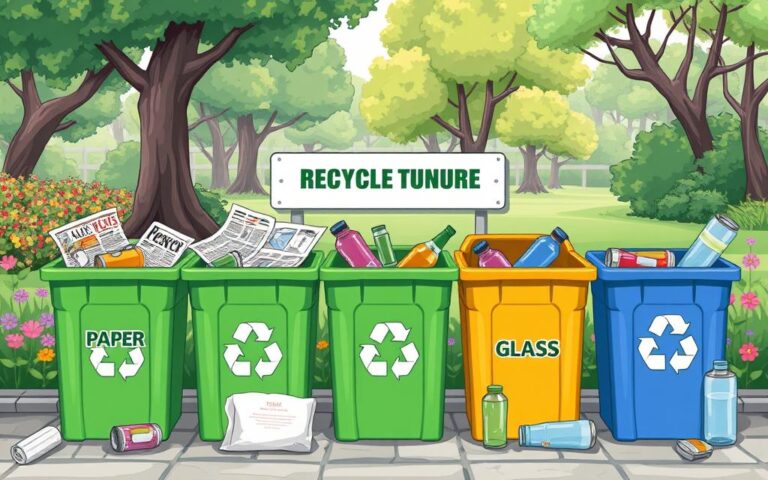
Clear recycling rules help families sort waste correctly and keep trash clean. Since rules can differ by location, checking local sanitation websites for specific guidelines is wise. Using a well-labeled system at home helps avoid mistakes and ensures the recycling gets processed smoothly.
How to Recycle Properly
Make sure bottles and containers are rinsed to get rid of food remains. If items are dirty, it might spoil the whole batch, causing the load to be thrown out. Crush cardboard boxes to save space and simplify the recycling process.
When local rules say so, take off non-recyclable parts like some lids and pumps. Avoid wishful recycling; if unsure, use reliable sources like Earth911 for guidance. For special items like electronics, follow EPA rules and drop them at designated spots.
Services like TerraCycle will take items regular pickups don’t. Having a recycling guide at home teaches everyone how to recycle right.
Common Recyclable Materials
In the U.S., clean and dry paper and cardboard are recyclable. Glass, aluminum and steel cans, and specific plastics like PETE (1) and HDPE (2) are usually okay too. Always check the numbers on plastics and see if local facilities can process them.
Plastic bags and film often go back to the store for recycling. Items like greasy pizza boxes can’t be recycled and sometimes trash or compost is their end. Local websites can offer more recycling tips.
| Item | Typical Curbside Status | Action |
|---|---|---|
| Plastic bottles (1,2) | Accepted | Rinse and leave caps on or follow local cap rules |
| Paper & cardboard | Accepted if clean | Flatten boxes, remove food residue |
| Glass bottles & jars | Accepted | Rinse, remove lids if required |
| Aluminum & steel cans | Accepted | Rinse, squash if possible |
| Plastic film & bags | Usually not curbside | Use store drop-off programs |
| Electronics & batteries | Special handling | Use certified e-waste or collection events |
Regularly emptying bins and taking recyclables to drop-off spots should become a habit. Share tasks in the household. Always stay updated with local recycling changes to keep your system effective.
Learn about recycling at home to match your efforts with local guidelines and keep contamination low.
Composting at Home
Composting at home turns kitchen scraps and yard clippings into rich soil. This reduces household waste and feeds gardens. Simple changes in setup and care make it easy for city and suburban homes.

Pick a composting method that suits your space and daily life. Backyard tumblers make breaking down scraps faster with their easy spin. For bigger yard waste, stationary bins need less work. Worm composting is great for inside use and small spaces, like apartments. Bokashi kits fit in tight spots and ferment food scraps on your countertop.
Setting Up a Compost Bin
Choose a spot with good drainage and some shade. This keeps the bin’s helpful microbes safe from too much heat. Put the bin on the ground to allow worms and microbes in. On paved areas, use coarse material like straw underneath for better drainage.
Combine dry, carbon-rich materials like leaves and paper with wet, nitrogen-rich items such as kitchen scraps. Aim for a mix that feels balanced. Breaking big items into smaller pieces helps them break down faster.
Keep the compost airy and moist. It should feel damp, like a squeezed sponge. Spin a tumbler every few days to mix. For bins that don’t move, stir with a tool every week or two. Add more dry materials if it smells. For pest problems, try a bin that closes and hide new scraps in the middle.
Benefits of Composting
Composting reduces the amount of garbage you throw away and cuts down on harmful landfill gases. The EPA says a lot of what we throw away could be composted instead. This includes food waste and yard trimmings.
The finished compost makes soil healthier, helps it hold water, and feeds plants without synthetic chemicals. Families spend less on trash removal and get free soil enhancer for their gardens.
You can use compost in many ways, like mixing with potting soil or improving garden beds. There are even places to share compost if you don’t have your own garden. Always check your city’s rules on composting at home. Some places help buy compost bins.
For slow composting, chop up materials and stir more often. Add dry browns to cut down smells. To keep animals out, lock your bin and bury new kitchen scraps deep in the compost.
Greener Home Maintenance
Maintaining your home the right way keeps it in good shape and saves money in the long run. Greener home care means planning wisely and picking materials that are better for the planet. Even small choices about insulation, finishes, and appliances make a big difference over the years.
Start by figuring out what needs attention first. An energy audit can show where your home is leaking heat, air, or water. Fix air leaks and insulate well to lower bills before making cosmetic changes. This strategy is all about being efficient and choosing long-lasting options over quick, less sustainable fixes.
Choosing sustainable materials
Look for durable, low-VOC options that come from responsible sources. Choose FSC-certified or reclaimed wood, bamboo for its fast growth, and natural linoleum for floors that last. Paints like Benjamin Moore Natura and Sherwin-Williams Harmony have few or no VOCs, which helps keep your air cleaner.
When it comes to insulation, pick cellulose made from recycled paper to reduce carbon impact. High R-value options help you need less heating and cooling. Follow the Department of Energy’s advice to match your insulation to your area’s climate for the best results.
Think about the entire life cycle of products. Prefer items that last a long time, are easy to fix, and can be recycled when you’re done with them. Using recycled tile and materials that are easy to recycle cuts down on carbon and waste from updates later on.
Eco-friendly renovation tips
Start your remodel with a clear plan. Focus first on big improvements like making your home airtight, insulating well, and installing efficient windows. These steps lower how much energy you use and make upgrading appliances more effective.
Work with licensed contractors who know green building methods. Experts who understand ENERGY STAR, LEED, or Passive House standards can offer smart advice and make sure things are done right.
Opt for fixtures that save water and last longer. Toilets and showerheads with the WaterSense label, efficient water heaters, and durable flooring use less resources and don’t need to be replaced as often.
| Action | Recommended Materials or Measures | Expected Benefit |
|---|---|---|
| Air sealing and insulation | Cellulose insulation, high R-value batts | Lower heating/cooling use, improved comfort |
| Paints and finishes | Benjamin Moore Natura, Sherwin-Williams Harmony | Better indoor air quality, low-VOC emissions |
| Flooring | Bamboo, reclaimed wood, natural linoleum | Durability, rapid renewability, reduced waste |
| Plumbing fixtures | WaterSense toilets, low-flow showerheads | Lower water bills, less water waste |
| Appliances and systems | ENERGY STAR appliances, high-efficiency HVAC | Reduced energy use, eligibility for rebates |
Before beginning any project, homeowners should look into available incentives. Tax credits, rebates, and utility deals can help cover costs for insulation, efficient heating and cooling systems, and other qualifying upgrades. Programs for recycling or trading in old items can also reduce environmental impact.
By adopting greener home care habits and picking sustainable materials, homes stay healthier. Choosing the right plan and contractor offers eco-friendly renovation tips that last for years. This approach also reduces our impact on the environment.
The Role of Indoor Plants
Indoor plants do more than just look good. They connect our daily lives with nature and help us feel calm. They encourage us to take care of our surroundings and lead cleaner lives.
Adding plants to where we live can make us less stressed and happier. Houseplants can slightly increase humidity. They also catch dust and let us engage with living things. These small moments can help us develop habits that are good for the planet at home.
Early studies, like NASA’s work on clean air, showed plants can clean harmful compounds from the air. But, recent reviews suggest they help more in the lab than at home. While they can’t replace good ventilation and removing pollution at its source, plants add to efforts in making indoor air fresher.
Caring for plants means creating routines. Actions like watering, trimming, and checking soil help us pay regular attention to our homes. This makes us more mindful and cuts down on the need for chemical cleaners.
The best air-purifying plants are usually easy to look after. Some top choices are snake plant, pothos, spider plant, peace lily, and Boston fern. They don’t need much light or complicated watering routines.
Where you put plants is key. Keep them in places where you spend a lot of time to get psychological and visual benefits. Moving plants outside now and then, when the weather is right, can invigorate them and fight off pests.
If you have pets, pick plants wisely. Peace lily and pothos could be harmful to cats and dogs. But safer options like areca palm and parlor palm offer lush greenery without the danger.
| Plant | Light Requirement | Watering Notes | Pet Safety |
|---|---|---|---|
| Snake plant (Sansevieria/Dracaena trifasciata) | Low to bright indirect | Allow soil to dry between waterings; drought-tolerant | Moderately toxic |
| Pothos (Epipremnum aureum) | Low to bright indirect | Water when top 1–2 inches of soil are dry | Toxic |
| Spider plant (Chlorophytum comosum) | Bright indirect to moderate | Keep soil slightly moist; avoid overwatering | Non-toxic |
| Peace lily (Spathiphyllum) | Low to moderate indirect | Water weekly; wilting signals need for water | Toxic |
| Boston fern (Nephrolepis exaltata) | Indirect light, humid spots | Keep soil consistently moist; benefits from humidity | Non-toxic |
| Areca palm (Dypsis lutescens) | Bright indirect | Moderate watering; avoid soggy soil | Non-toxic |
| Parlor palm (Chamaedorea elegans) | Low to bright indirect | Water when top inch of soil dries | Non-toxic |
Conclusion: Making Long-Lasting Changes
Small, steady steps lead to big changes. Adopting daily habits for a clean home is about being consistent, not perfect. Swapping single-use bottles for reusable ones, using a faucet aerator, or picking green cleaning products make a difference. These actions lower bills and reduce waste.
Tracking things like utility savings or how much trash you produce shows clear benefits. It keeps you motivated to continue.
Encouraging Sustainable Habits in Others
Setting an example is powerful. Share your success with family and roommates. Encourage them to aim for common goals. Organizing events like swap meets or meal-prep parties shows how community actions can cut down on waste and save money.
Recommend local rebate programs and tax incentives to friends. These can help cover the cost of eco-friendly upgrades like ENERGY STAR appliances or smart thermostats.
Summarizing Key Takeaways
Focus on impactful routines: avoid single-use plastics and choose eco-friendly cleaning solutions. Conserve energy and water. Buy local produce and practice minimalism. Recycle right, compost kitchen waste, choose sustainable materials, and add houseplants for better air.
These green habits have a big impact. Small daily changes lead to notable environmental and financial benefits over time. Start with one new habit this week and track your progress. This will help you keep going towards a more sustainable lifestyle.