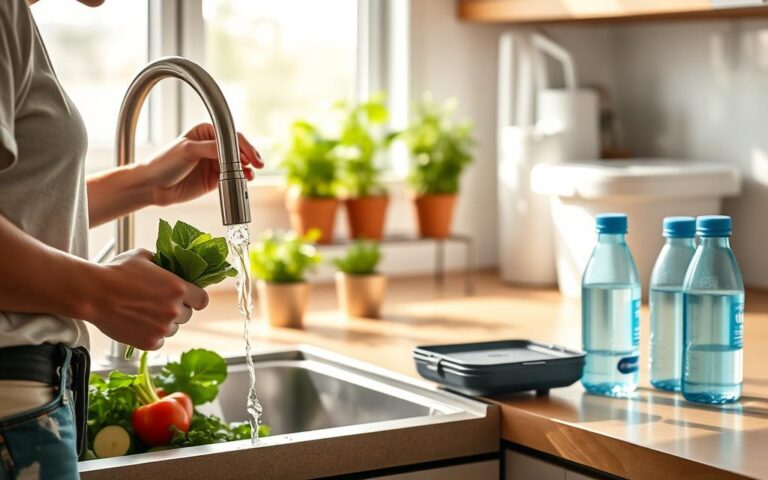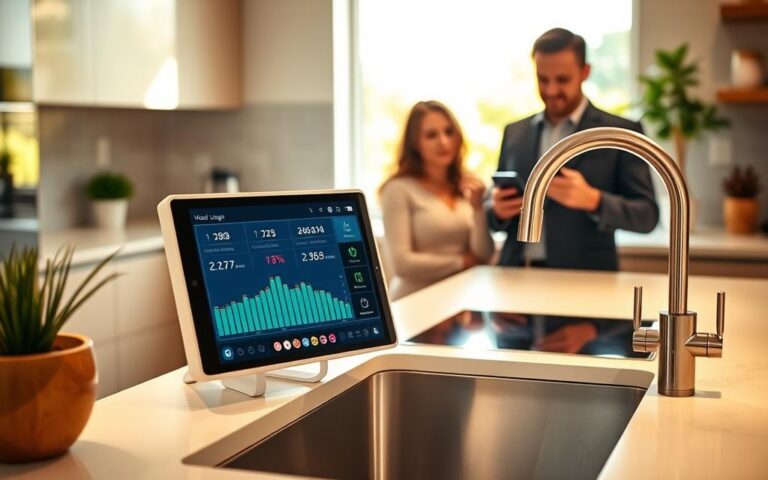

Greywater Recycling is a smart way to reuse water from sinks, showers, and washing machines. It helps water your garden or flush toilets. This saves a lot of water and is good for the planet.
By using greywater, you can cut down on your water use and lower your bills. It’s a key step in being eco-friendly at home. Learning about greywater helps you use water wisely and care for the environment.
Key Takeaways
- Greywater Recycling reuses water from non-sewage sources.
- It promotes sustainable water management and conservation.
- This practice can reduce your household water footprint.
- Implementing greywater systems may lower your utility bills.
- Understanding greywater recycling is vital for eco-friendly plumbing.
Understanding Greywater: Definition and Sources
Understanding greywater is key for homeowners who want to use water smarter and reuse wastewater. Greywater is the water from our daily chores like washing dishes or clothes. It doesn’t have human waste, making it great for sustainable home practices.
What is Greywater?
Greywater is the cleaner wastewater from our homes. It comes from sinks, showers, and laundry but not from toilets. By recycling this water for things like watering the garden or flushing toilets, you can use water more efficiently at home.
Common Sources of Greywater
Figuring out where greywater comes from in your home is important for using it. The main sources are:
- Sinks and kitchen faucets
- Showers and bathtubs
- Washing machines
Collecting greywater helps in reusing water and lessening the strain on city water supplies. This promotes a greener lifestyle.
The Importance of Greywater Recycling
Water shortages are growing, especially in dry areas. Greywater recycling is key for sustainable water management. By using greywater, we save water and help the environment. This lets us use less fresh water by reusing water from sinks and showers. It makes better use of the water we have.
Water Shortages and Sustainability
There’s a big need for sustainable actions, and greywater recycling helps. It saves important freshwater needed for drinking and cooking. Adding greywater systems at home is good for water sustainability.
Reducing Your Water Bill
Greywater recycling can save you money. Using less tap water means a cheaper water bill. You’ll spend less and also use water in a smarter way.
The Environmental Benefits of Greywater Recycling
Using greywater recycling helps save a lot of fresh water. Our world faces growing water shortages. So, reusing greywater is key to living more sustainably. It drastically cuts the need for clean water in uses that don’t require it.
Conservation of Freshwater Resources
Greywater recycling is vital for saving fresh water. It takes water from sinks, showers, and washers for irrigation or flushing toilets. This lowers how much drinking water we use. Doing this helps protect local rivers and lakes. It ensures water is there for the environment and future people.
Decreasing Pollution and Runoff
Treating greywater and using it correctly helps reduce pollution. By using greywater systems, we avoid putting harmful stuff into waterways. This lessens the load on sewage plants and cuts water pollution. It leads to cleaner rivers and lakes.
How Greywater Recycling Works
Understanding how a greywater system works is key for anyone interested in saving water. This system uses different ways to collect, store, and clean greywater. Then, it makes it safe to use again in your home. By doing this, a greywater system helps save more water through efficient recycling.
Collection and Storage Methods
To start a greywater recycling system, think about the best way to collect water. You can:
- Divert water from bathtubs and showers through a special plumbing system.
- Use water from washing machines and sinks that’s picked up especially for greywater.
- Add rainwater catchment to increase your greywater supply.
After collection, storing the water correctly is crucial. The storage system must keep the water clean and smell-free. It also has to follow health rules and be the right size for how much water you’ll use.
Treatment Processes
The way to clean greywater varies a lot. A simple step is basic filtration to get rid of big particles. More complex methods include:
- Biological treatment: This uses tiny organisms to eat away organic stuff.
- Membrane filtration: This method cleans the water with fine barriers.
- Chemical treatments: This approach adds special substances to make the water clean and safe.
These steps are important to make sure the greywater system meets health and safety rules. This lets you manage water in a sustainable way at home.

Legal Considerations for Greywater Systems
Before you start using a greywater system, it’s key to know the law. The rules in your area can greatly change how you set up and use your system. Following these laws helps keep everyone safe and avoids legal issues.
Local Regulations and Guidelines
Every place has its own rules on using greywater. You may be allowed to use it for watering plants in some places but face tight limits in others. Learning about these rules is important. You’ll understand what you can and can’t do in your area.
- Types of greywater allowed for reuse, such as laundry or shower water.
- Specific systems that meet health standards.
- Usage limitations, including whether it can be used for food gardens.
Permits You May Need
Getting the right permits is important before you install your system. This shows that your greywater system is safe and meets local rules. You might need several types of permits, like:
- Greywater system installation permits.
- Building permits for plumbing changes.
- Environmental impact assessment permits, if your project is big.
Designing a Greywater Recycling System for Your Home
Planning a greywater system takes careful thought. You must consider the water’s source, how much there is, and how you’ll use it after recycling. It’s also important to know the local rules to follow them correctly. These steps help make a green and effective water system for your house.
Key Considerations Before Installation
- Water Source: Find out where greywater comes from in your home, like showers, sinks, and washing machines.
- Volume: Figure out how much greywater your family makes to know how big your system should be.
- Intended Use: Think about what you’ll do with the greywater, like watering plants, flushing toilets, or more.
- Local Regulations: Look into your area’s rules on greywater systems to make sure you’re doing everything right.
Different System Types
There are a few types of greywater systems you can pick from:
- Passive Systems: These are simple, needing less plumbing, making them great for smaller homes.
- Active Systems: These systems have extra parts like treatment units and pumps to clean and move the water, good for big homes.
- Hybrid Systems: These mix passive and active parts for better results and flexibility.

Choosing the best system type is key to getting the most from your green plumbing while meeting your family’s needs.
Maintenance and Care for Greywater Systems
Keeping your greywater system in shape is key for its long life. Build a routine that covers all important tasks. This keeps your eco-friendly system working well. Regular care boosts your system’s performance and avoids expensive fixes later.
Regular Maintenance Tasks
- Inspect filters regularly to ensure they are clean and functioning.
- Check for leaks in pipes and connections to avoid wasted water.
- Ensure tanks are clean and free from blockages that may hinder water flow.
- Test the water quality periodically to confirm it meets safety standards.
Troubleshooting Common Issues
Knowing what problems to look for helps keep your system effective. Bad smells or weird water colors mean there might be an issue. Here are some usual problems:
- Odor issues stemming from stagnant water or biofilm buildup.
- Discoloration which may indicate contamination or insufficient treatment.
- Unexpected fluctuations in water flow, suggesting a blockage or leak.
Greywater Recycling: Cost and Savings
Investing in a greywater system can bring big benefits over time. This includes saving money and using water more efficiently. Initially, setting up a system might cost a bit. This cost depends on what system you pick, how complex it is, and the cost of labor where you live. It’s important to know these costs to make a good choice about getting a greywater system.
Initial Costs of Installation
The first costs of installing a greywater recycling system can change a lot. The cost can vary based on how the plumbing needs to change, the system you choose, and labor costs in your area. Here are some typical price ranges:
| System Type | Estimated Cost |
|---|---|
| Basic Diverter System | $400 – $1,500 |
| Filtration System | $1,200 – $3,000 |
| Advanced Treatment System | $3,000 – $10,000 |
Long-Term Savings Estimates
Greywater systems are attractive for their long-term savings. Many homes can get back the money they spent in just a few years thanks to lower bills. By using greywater, you can really cut down how much water you use. This means your water bill can go down a lot. Savings can be:
- 20% to 50% reduction in water bills, depending on usage
- Return on investment typically realized in 2 to 5 years
With a growing focus on saving water, getting a greywater system is not just good for your wallet. It also helps the planet and can raise your home’s value.

Success Stories: Homes Utilizing Greywater Recycling
In the U.S., many homeowners have started using greywater recycling systems. They have seen major benefits from these systems in sustainable water use. People have cut down their water use and saved money too.
Real-Life Examples
A family in California set up a system to recycle greywater in their home. They use water from showers and laundry to water their garden. This has cut their outdoor water use by half, showing the big impact of recycling greywater.
Testimonials from Homeowners
“Switching to a greywater recycling system has changed our lives. We save money on water bills and feel great about conserving water!”
“It was easier than we expected to set up. The impact on our water usage has been remarkable, and we encourage others to consider it.”
These stories show how simple and effective greywater recycling can be. Homeowners sharing their stories encourage others to try sustainable water management. This can help the environment and save money at home.
Future Trends in Greywater Recycling Technology
The future of greywater recycling technology is bright. It will change how you manage water at home. New tech is coming that will make systems better, easier to use, and cheaper. Soon, you could use advanced filters and methods to safely recycle water.
Innovations on the Horizon
New inventions are improving materials, designs, and how easy systems are to use. These changes mean smaller, easier-to-fit systems for your home. They won’t need big changes to your house. As tech gets better, more people will use these eco-friendly systems.
The Growing Adoption Rate
More people are using greywater recycling because they know water is scarce. They want to manage water better. This trend will grow. Better tech will make recycling easier, a key part of living green.
FAQ
What is greywater recycling?
What are the common sources of greywater?
How does greywater recycling help with water conservation?
What are the environmental benefits of using a greywater system?
What are the treatment processes involved in greywater recycling?
Are there legal considerations for installing a greywater system?
What should I consider when designing a greywater recycling system?
How do I maintain my greywater recycling system?
What are the costs involved in installing a greywater recycling system?
Can you share success stories of homes using greywater recycling?
What future trends should I be aware of in greywater recycling technology?
Applied Decision Framework
This section was added to improve practical use. Before applying any recommendation, define one baseline metric (cost, usage, or time), run a 7-day test, and compare outcomes before scaling.
Action Checklist
- Track current baseline for one week
- Change one variable only (timing, frequency, or method)
- Measure cost + resource impact
- Keep only what improves results consistently
Risk Controls
- Avoid over-correcting based on one-day results
- Adapt strategy to weather and local conditions
- Re-check assumptions monthly
Content Quality Boost: 2026-03-05
Article Trust & Methodology
Author: Rosalie Clark
Editorial Review Date: 2026-03-05
Purpose: Deliver practical, user-first guidance with clear limitations and realistic implementation steps.
How this article was prepared
- Topic intent mapping based on common reader problems
- Step-by-step structure with measurable checkpoints
- Risk notes and scenario-based adjustments
- Readability review for mobile and desktop
Who this article is for
This content is for everyday readers who need practical decisions they can apply safely and consistently, not theoretical advice only.
Sources and validation approach
Recommendations are organized around established best-practice principles (measurement, controlled testing, and periodic review). Readers should adapt guidance to local regulations, climate, infrastructure, and budget constraints.
For editorial standards and correction requests, see Editorial Policy and contact contact@everydaytechfinance.com.
Final Implementation Notes
For best outcomes, avoid changing multiple variables at once. Build a small decision log, review results weekly, and keep only changes that improve measurable outcomes over time. Consistency and clarity are more important than intensity.