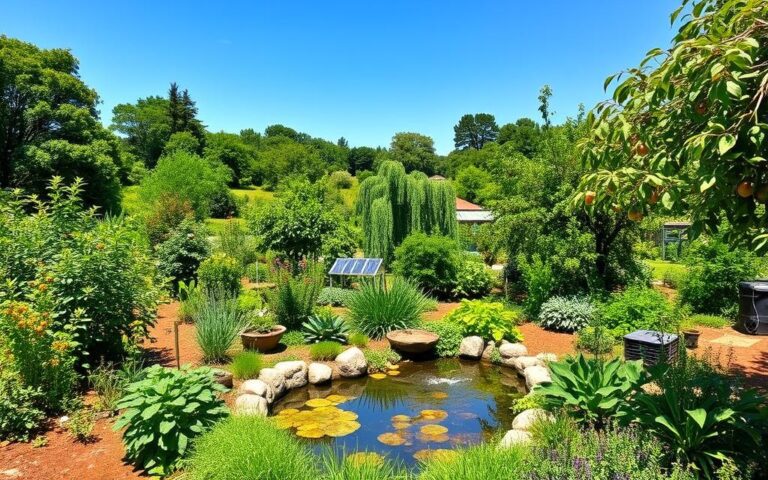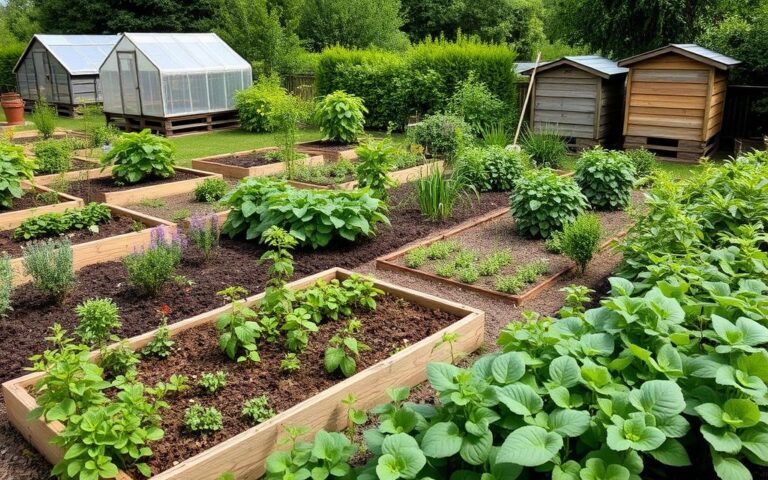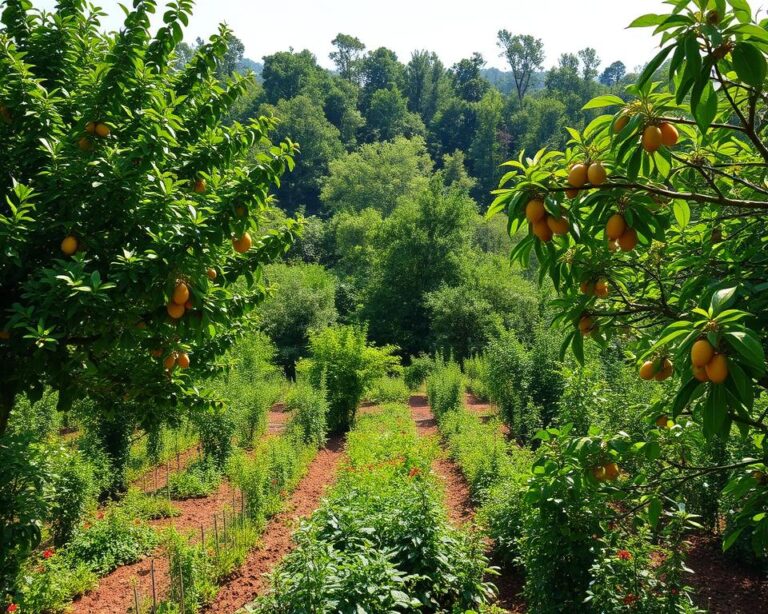

This guide is for gardeners, urban homesteaders, and landscape designers. It points out common permaculture design mistakes in compact city lots. The goal is to improve small urban yard projects, helping them yield more, save water, and be resilient.
Patio and balcony gardeners, community garden organizers, and those landscaping small lots will find this useful. It addresses challenges like zoning, HOA rules, and city water restrictions. The tips are meant for urban permaculture efforts in American cities.
Using these tips can boost your garden’s output, make maintenance easier, protect soil and water, and add more plant and animal life. Your outdoor space can be healthier, produce more, and need less from you to thrive.
The article covers 12 key topics. It talks about permaculture principles, picking the right plants, checking your site, improving soil, designing simply, making microclimates, promoting biodiversity, planning maintenance, managing water, involving the community, setting clear goals, and adjusting with the seasons.
We recommend checking out resources like Bill Mollison and David Holmgren’s work, university Cooperative Extension services, the Rodale Institute, and the Royal Horticultural Society for more advice tailored to your area.
Key Takeaways
- Identify common urban permaculture mistakes early to protect limited space and resources.
- Design with local rules and climate in mind to avoid conflicts with zoning or HOAs.
- Focus on water and soil conservation to increase long-term productivity.
- Prioritize simple, space-saving tactics in permaculture for small spaces.
- Use reputable references—extension services and established permaculture texts—for practical, region-specific advice.
Understanding Permaculture Principles
Permaculture mixes ecology, landscape design, and sustainable farming to make self-sustaining gardens. It helps make choices that work well in small city spaces. It also builds resilience over time.
Core Concepts of Permaculture
Permaculture is based on three main ideas: caring for the earth, caring for people, and sharing resources fairly. These ideas influence all design choices and help manage space wisely.
Its design principles include watching and interacting, catching and storing energy, getting yields, and regulating oneself. These principles encourage the use of renewable resources. They also promote integrating elements instead of separating them.
In tiny city gardens, it’s all about layering functions and making things serve multiple purposes. For instance, trees provide shade and block wind. Rain barrels and small water channels save water, and mixing edible with decorative plants increases a garden’s output.
Importance of Sustainable Practices
Using water wisely and building fertile soil helps us rely less on chemicals. These actions foster regenerative gardening. They improve soil fertility using compost, mulch, and plants that cover the ground.
Permaculture techniques make gardens more resilient to climate challenges such as heatwaves, drought, and heavy storms often seen in U.S. cities. Making simple changes reduces risks and keeps gardens thriving, even in tough conditions.
Embracing permaculture results in money saved from lower water bills, less maintenance, and buying fewer chemicals. Some local governments even offer perks for eco-friendly gardening, like rebates for collecting rainwater and community composting programs.
Choosing the Wrong Plants
Plant choices shape a small urban yard’s future. Thoughtful selection in permaculture avoids costly errors and keeps neighbors on good terms. Choosing the right species reduces water, work, and chemicals needed.
Some plants can quickly overrun a small garden. Certain bamboos, Japanese knotweed, and English ivy are known to spread wildly. They push out native plants, harm buildings, and cause disputes with neighbors.
To dodge invasive plants, urban gardens should look at reliable lists before buying. The USDA, state agriculture departments, and the National Invasive Species Information Center have lists. These help identify trouble plants and suggest safer choices.
The costs of managing invasive plants add up quickly. Barriers, labor, and treatments become expensive. Especially in small yards, a single invasive plant can dominate and harm local nature.
But there are safer options. Choosing non-invasive, sterile, or native plants for permaculture is smarter. These choices help pollinators, cut maintenance, and fit into local ecosystems better.
Ignoring the local weather is a mistake. Plants that fit the climate deal with extreme weather better. This planning avoids the need for frequent replanting.
The USDA Hardiness and AHS Heat Zones help pick the right plants. Urban spots can be warmer due to buildings and pavement. This affects how well different plants do in the same garden.
Plants must also fit the city’s water and weather. Drought-resistant plants are good for dry places like Phoenix. In colder cities, like Minneapolis, plants that tolerate the cold are best. Coastal gardens need plants that can handle salt.
Knowing when to plant is crucial for crops to do well. Frost dates and how a plant reacts to day lengths guide planting times in city gardens. Cooperative Extensions, native plant groups, and local gardens offer advice on timing.
| Risk | Signs to Watch | Smart Alternatives |
|---|---|---|
| Invasive spread | Rapid rhizome growth; shoots beyond planting area | Sterile cultivars; non-spreading bamboo; native bamboos where appropriate |
| High maintenance costs | Frequent removal; repeated herbicide or barrier work | Deep-rooted native shrubs; perennial grasses adapted to region |
| Climate mismatch | Leaf scorch, winter dieback, poor flowering | Climate-appropriate plants chosen by USDA/AHS zone and local extension lists |
| Biodiversity loss | Decline in pollinators and native groundcover | Native plants for permaculture that support insects and birds |
Poor Site Analysis
Starting an urban yard project begins with a thorough site check. Sometimes, quick glances overlook hidden troubles. A detailed assessment avoids expensive errors and finds solutions for tiny urban lots.
Assessing Soil Quality
Soil tests for small yards can show pH, nutrients, organic content, and harmful substances like lead. Labs, including state extension labs and A&L Laboratories, offer detailed tests for urban areas.
Easy tests can tell you about soil’s type and health. The jar test identifies sand, silt, and clay levels. Squeezing soil and checking water absorption spots compaction and drainage problems.
When soil’s dirty, raised beds with fresh topsoil are a solution. Cleaning the soil takes a long time. Sealing off polluted areas keeps people and gardens safe right away.
Observing Sun and Shade Patterns
Tracking sunlight over your garden for a week helps. Using a smartphone app for light makes this easy and accurate. This makes a sun map that shows where it’s sunny or shady.
The sun’s position changes with seasons. Winter brings different light than summer, affecting plants and house heating. Knowing this helps place plants and spots to relax outside.
Sun maps guide where to put compost, water features, and plants. Place shade-loving plants in cooler spots. Bright spots are perfect for vegetables and fruit trees that love the sun.
Understanding Water Flow and Drainage
Watching how rainwater flows and pools is key. Spot areas with too much water after storms. This helps understand soil and water issues.
Dealing with water issues can include French drains or adding organic matter to soil. Solutions should be right for the problem’s size and follow local rules.
Collecting rainwater reduces street runoff. Using rain barrels or making small ditches helps. Place them where water naturally goes to catch the most water.
Neglecting Soil Health
Good soil is key in small urban permaculture gardens. It’s a mix of minerals, organic materials, air, water, and many living things. When we ignore soil’s needs, focusing only on design, plants face trouble. They deal with bad structure, low nutrients, and little strength to bounce back.
Importance of Soil Composition
Healthy soil has the right mix of sand, silt, clay, and organics. This helps hold water and nutrients. Little life forms like microbes, fungi, and earthworms help out. They keep the soil feeling and working great. Without them, soil can get too dense, drain badly, or dry out fast.
Ignoring soil means fewer crops, more pests, and watering issues. Dirt that’s contaminated or lacks nutrients can harm plants. It also means more work and higher costs.
Techniques for Soil Improvement
Composting at home helps fix the soil. It enriches it and keeps the microbes happy. Whether using NewAge Products or HotBin for compost bins, it’s easy to start. One can also use city compost programs for quality material to help urban soils.
Mulching and the lasagna method boost topsoil, keep weeds down, and maintain moisture. Choose materials like wood chips, straw, or cardboard carefully to avoid diseases.
Planting cover crops like crimson clover breaks up tough soil and adds nutrients. These plants help rebuild the soil in the off-season, aiming for healthy permaculture soil.
Urban gardens benefit from things like mycorrhizal inoculants and biochar. They help soil life and store carbon. But, use them as soil tests suggest to prevent issues.
Avoid too much synthetic fertilizer. It can hurt the soil’s living network and lead to reliance. A soil test can help find the best organic amendments. This keeps urban soil care good for the long run.
Overcomplicating Designs
Small urban yards look best when they’re simple. Stuffing too many things into a garden means more work and less clarity. Going for a clear permaculture layout makes everything easier to handle and understand.
Simplifying design elements
Focus on features that do more than one thing. A basin for catching rain that people can also sit on saves both space and effort. Using the same design for all your beds or containers makes care and planting straightforward.
Begin with a basic setup. Install a main path, two main garden beds, and a spot for catching water. Try this out for a while before making things more complex. Growing your garden step by step keeps things simple and avoids expensive errors.
Choose plant combinations that work well in small areas. Pairing a fruit bush with a plant that helps the soil and a groundcover keeps things productive and easy without needing complicated planting schemes. Keeping things uniform makes it easy to swap plants in and out.
Utilizing vertical gardening techniques
Vertical gardening makes the most of limited space. Using trellises, wall planters, and stacked containers helps turn any wall or fence into a garden spot. This approach is great for saving space and bumping up how much you can grow.
Opt for strong, reliable structures like wooden trellises or recycled pallets. Making sure everything is well-anchored and can handle wind is key in crowded places. Being safe is especially important in busy urban gardens.
Choose plants that thrive upwards like beans, peas, and some fruit trees that don’t grow too big. Be ready for a bit more watering and picking, which is typical when you’re maximizing your gardening space.
Blending simple garden design with vertical techniques gives you a sophisticated but straightforward urban garden. This way, you get a productive space that’s easy to manage and looks great without too much hassle.
Ignoring Microclimates
Small urban yards change a lot over short distances. Ignoring these changes can lead to poor plant choices and effort wasted. Understanding the site lets gardeners use these quirks. They can make productive microclimates in urban garden design.

Recognizing Small Environmental Variations
Microclimates form near walls, pavement, trees, and water. These affect temperature and moisture. For instance, a south-facing brick wall can warm up, making it perfect for ripening tomatoes early. On the other hand, a cool, damp corner under eaves is great for shade-loving plants.
Gardeners should measure temperatures and note frost areas. They should also check for wind and note heat from metal roofs and concrete. This information helps understand how heat and cool air move.
In busy neighborhoods, concrete keeps heat long after the sun sets. But, plant areas cool down quicker. Knowing this helps choose the right plants and when to water them.
Creating Suitable Plant Zones
Using what you observe helps plan where to plant. Warm spots are great for vegetables that love heat and herbs from dry areas. Wet, low areas are best for plants that like moisture.
In small yards, you can think about what plants you use the most. Keep those closest. Less-tended plants can go farther away where you might not check on them as much.
Adjusting for the weather is also key. Adding hedges or screens can block strong winds. Stones or water barrels can keep temperatures steady. If a building makes an area too hot, use something reflective for shade.
Failing to Create Biodiversity
Making plant diversity a key part of yard design helps small urban yards flourish. Mixing trees, shrubs, herbs, and groundcovers brings benefits like resilience, extended harvests, and support for pollinators. By focusing on diverse plants, tight spaces become rich, living ecosystems that draw in helpful insects and boost soil health.
Benefits of Species Variation
Different kinds of plants can stop large pest outbreaks. They do this by disrupting the spread of diseases and drawing in helpful insects like ladybugs and wasps. This natural balance reduces the need for chemicals and helps keep crop production stable.
Using layers of plants lengthens the time you get to harvest. Trees give shade while shrubs add structure, and herbs and groundcovers fill in the blanks. This setup invites pollinators and birds, raising the chances of having something to harvest all year round.
Having a mix of plants with deep and shallow roots betters soil condition and feeding. Roots at various levels help pull up different minerals, nourish tiny soil life, and allow a diverse small yard to handle dry spells and soil packing better.
Incorporating Companion Planting
Companion planting brings handy advantages. For example, placing tomatoes near basil and marigolds can shield against pests and attract helpful bugs. The corn-beans-squash combo, known as the Three Sisters, uses each plant’s strengths for support, soil enrichment, and ground cover in one clever setup.
Plant legumes near big eaters to cut down on fertilizer use while promoting growth. Sprinkle in native flowers and other plants that attract useful critters, following advice from local plant groups.
Instead of sticking to one type of plant in small areas, mix annuals and perennials with edible ornamentals. This keeps your yard looking good and working well. It also plays a part in a solid companion planting plan that naturally manages pests.
Keep an eye on how things are going and tweak your plant mixes every year. Note any issues with pests, how big your harvests are, and what wildlife shows up. Fine-tuning your choices can make your small yard and its insect buddies more robust over time.
Underestimating Maintenance Needs
Small urban yards flourish with early maintenance planning. Set realistic time budgets and clear task lists for garden health. This avoids gardener burnout and reduces long-term chores through smart plant and layout choices.
Planning for Long-Term Care
Consider your daily, weekly, and seasonal time and energy. Choose a compact layout with long-lasting plants and mulched beds for busy lives. It’s easier than caring for gardens needing yearly replanting and supports low-upkeep permaculture.
Sharing tasks lessens stress. Ask neighbors, family, or hired gardeners for help with regular work. Automated watering and rain barrels save time and effort. These steps are key for urban gardeners wanting smart maintenance.
Pick tough plants and group them by their needs to lessen work. This improves soil and ecosystem health over time. Focusing on perennials and ground covers means less weeding and digging.
Scheduling Regular Maintenance Tasks
Make a simple list of garden tasks with how often to do them. Include watering, weeding, pruning, and more. Linking tasks with seasons eases the workload and aligns with garden needs.
Choose tools and methods that ease work. Have pruning shears, a soil knife, and protective gear ready. Comfortable tools like knee pads and long-handled tools prevent strain and make work quicker.
Keep a garden diary for better results. Note dates of planting, harvesting, and any garden problems. Regular records improve planning and help shift towards easy-care permaculture.
Inadequate Water Management
Good water planning is key to a healthy urban garden. In tight spaces, bad choices can waste water, stress plants, and inflate bills. This guide offers steps to use water well, including rain storage and smart systems, all while respecting local laws and weather conditions.

Rainwater captures help save drinking water and support gardens in dry times. Collecting rain from roofs can decrease city water overflow, lessen community stress, and save money. You can choose from simple barrels to complex cisterns from RainHarvest Systems. Always check your area’s rules and health regulations before starting.
First-flush diverters block dirt and debris from tanks. Use screens and sealed tops to keep out mosquitos. If you use rainwater on edible plants, it must be filtered and treated with UV. Remember, some places have laws about using collected rain for drinking.
To figure out storage size, multiply the collecting area by rainfall and efficiency. This helps decide if you need a small barrel or big tanks for your garden’s needs.
Importance of Rainwater Harvesting
Systems at home can reduce how much city water you use and make you more drought-ready. They are great for small spaces and can be tucked away to save room.
Using captured rain with recycling home water makes a big difference. This combination limits the need for fresh water and connects household water recycling with garden watering. It’s important to follow your local health rules.
Implementing Drip Irrigation Systems
Drip irrigation puts water right where plants need it, at their roots. This method reduces water loss and keeps leaves dry, lowering disease risk. Companies like Rain Bird and DripWorks offer kits that are easy to set up in small or complex gardens.
Basic setups need a pressure regulator, filter, tubing, emitters, and timers. Start with a clean water source, run a main line, and use smaller lines with emitters for each plant area.
Plan your garden by water needs. Use different emitters for vegetables, shrubs, and flower beds. This smart use of water helps plants thrive.
Regular maintenance ensures your system works well. Clean lines and filters seasonally, check for leaks, and drain before winter to avoid damage. Staying on top of these tasks saves money and keeps your garden watered efficiently.
Smart planning links rainwater systems and drip irrigation to a big-picture water strategy. With thoughtful setup and care, even small city lots can enjoy lush, low-water gardens.
Forgetting to Engage the Community
Small urban permaculture plots gain more when neighbors get involved. By engaging the community, lone yards transform into collective learning areas. This encourages care for the land, draws volunteers, and spreads green practices.
Events that welcome varying skills boost interaction. With good planning and reaching out for partners, these events become easy and safe to manage. Sharing the word through local groups and Nextdoor increases attendance.
Organizing Workshops and Events
Offer quick, practical workshops to share knowledge. Topics like urban gardening, composting, and seed saving empower locals. Events like seed swaps and garden tours strengthen community bonds and resource sharing.
Collaborating with local experts and organizations brings trust and help. Getting paperwork and logistics sorted early prevents last-minute problems.
Collaborating with Neighboring Gardens
Neighbors sharing tools or buying in bulk save money and effort. Working together on gardens can make fighting pests easier for everyone.
Making plans to attract friendly insects benefits the whole area. Projects like collective rain gardens or food hedges provide fresh produce and natural areas for everyone.
| Activity | Benefit | Partners |
|---|---|---|
| Composting workshop | Builds soil health, recruits volunteers | County extension, Master Gardeners |
| Seed swap | Increases plant diversity, shares heirlooms | Community groups, libraries |
| Joint mulch purchase | Reduces costs, improves moisture retention | Neighboring gardens, community co-ops |
| Neighborhood pollinator corridor | Enhances biodiversity across properties | Local nonprofits, schools |
| Shared rain garden | Manages runoff, creates public green space | City stormwater programs, civic groups |
Lack of Clear Goals and Vision
When you plan a small urban garden, it’s vital to define your goals. This clarity helps you choose what’s important. Do you want a space for food, wildlife, or relaxation? Making decisions like this helps your garden meet your specific needs.
Begin with goals that are easy to measure. For instance, aim to harvest 20 pounds of tomatoes in the first year. Goals like these make it easier to decide what to plant. They help you choose between plants that grow quickly and those that last many years.
Defining Specific Objectives
Make sure your plans and resources line up with what you want to achieve. List your tasks by their impact and the effort they need. This helps avoid conflicts between different garden goals. It also keeps garden plans realistic and suited to your yard.
Checking out your garden space closely is key. Look at the soil, climate, and plants that are already growing there. Use advice from your local community for making changes. A well-thought-out plan is better than quick, unplanned decisions.
Creating Measurable Outcomes
It’s good to have specific ways to see if your garden is doing well. You might track things like how much you harvest or how much water you use. Tools like scales, journals, photos, and apps can help with this.
Review your garden regularly to see what’s working. This process helps you improve your garden bit by bit. It’s a strategy that brings continuous improvement.
For more insights on how to focus on your site and observe carefully, check out Permaculture Designers Manual strategies. These principles show the value of setting measurable goals for a garden that thrives.
Overlooking Seasonal Changes
Seasonal shifts are key in small city gardens. Good garden planning means picking plants and setups that fit the weather. This helps avoid breaks in harvesting and keeps soil and plants healthy.
Planning for Seasonal Crops
Rotating crops and planning their succession keeps soil rich and crop yields consistent. We can grow spring greens, summer tomatoes, fall veggies, and winter cover crops in a year. In the north, choose fast-growing types. In the south, go for heat-loving plants.
Gardening in cold weather can be productive. Using cold frames, row covers, tunnels, and greenhouses protect plants. This makes the growing season longer. Saving seeds and getting them from local groups like Seed Savers Exchange keeps suited varieties going.
Adapting Designs for Different Weather Patterns
Design gardens for climate challenges – heat, drought, rain, and storms. Use mulch, shade, and drought-hardy plants to save water. Things like pervious surfaces and raised beds help handle heavy rains. Collecting used water (if it’s allowed) and improving soil can help gardens stay lush.
Windproofing with sturdy structures and choosing deep-rooted plants help after floods. Gardens should have a mix of different plants. Plan for unexpected changes and prefer perennials that handle weather ups and downs. This keeps city gardens thriving.