
Hidden water leaks can quietly drive up your bills and harm your home. This guide will teach you how to spot these leaks early with easy DIY checks. You’ll also learn when it’s best to call the pros. It’s written for homeowners, renters, and those managing properties in the U.S., offering immediate, practical steps.
The U.S. Environmental Protection Agency (EPA) says home leaks can waste up to 10,000 gallons of water yearly. Finding leaks early can stop this waste, cut down your monthly costs, and prevent mold and structural damage. This piece will show how to spot these leaks with easy tests and what tools pros use for more detailed checks.
Key Takeaways
- Hidden leaks can really drive up bills and damage property if not caught early.
- Doing simple checks—like looking around, listening, and using a water meter test—can find hidden leaks.
- Using tools like moisture meters and infrared cameras can make finding hidden leaks more accurate.
- It’s important to know when to get in touch with skilled plumbers or advanced leak detection services for tough issues.
- Doing regular checks and fixing things on time can lessen the risk and cost of leaks later on.
Understanding Hidden Water Leaks
Hidden water leaks occur in places we don’t see. They are found behind walls, under floors, in ceilings, below concrete, and in crawl spaces. Detecting them early helps prevent bigger, more expensive repairs.
What are Hidden Water Leaks?
Hidden water leaks are unseen plumbing issues. They happen with pinhole leaks in pipes, cracked lines, bad fittings, leaky water heaters, and failing appliance hoses. Leaks under foundations and broken sewer lines also cause trouble.
Leak signs include wet spots, musty odors, or high water bills. Knowing where leaks might be and the right tools to find them is crucial.
Common Causes of Water Leaks
Pipes can corrode or get blocked over time. Bad installations can make fittings likely to break. Earth movements, weather changes, and roots also strain pipes.
High water pressure and chemicals can weaken pipes faster. Accidents during remodels may harm pipes too. These factors make finding leaks in old homes or ones near big trees or certain soils very important.
To avoid leaks, know the causes and where to check. Use special equipment for slab leaks and simple checks for appliances. This helps find leaks fast and fix them right.
Signs of a Hidden Water Leak
Hidden water leaks often show themselves in subtle ways around your home. Spotting these signs early can help homeowners catch leaks before they cause more damage. You might notice higher bills, damp spots, or even mold.
Increased Water Bills
Seeing your water bill go up without a clear reason could mean a leak. It’s smart to compare your bills from the same time last year. This helps account for seasonal usage changes. Even small leaks can waste hundreds of gallons of water, while big ones can waste much more.
If your water meter ticks up even with everything turned off, you likely have a leak. A steady rise in water use when no one is home is a clear sign. Watching your water use closely makes it easier to spot leaks quickly.
Damp or Discolored Walls
Things like stains, bubbling paint, or swollen drywall tell you there’s moisture. Moisture can travel far from the leak itself. This is because it moves through the framing and insulation of your home.
Finding damp spots or musty smells is important, too. Trouble with tile grout or peeling wallpaper might mean leaks under floors. Paying attention to how the materials in your home look and feel can help find leaks.
Mold Growth
Mold grows in wet, dark spots and can be bad for your health. Look out for black or green patches, fuzzy areas, or a strong mildew smell. Mold usually appears if a leak has been ignored for a while.
Since mold often comes later, finding the leak quickly can prevent bigger problems. If mold is growing inside walls or cabinets, you might need a professional to test it.
| Sign | What to Watch For | Why It Matters |
|---|---|---|
| Higher Bills | Month-to-month spikes; meter movement with fixtures off | Indicates continuous water loss and helps detect hidden water leaks |
| Wall Damage | Stains, peeling paint, swollen drywall, warped trim | Shows where moisture has migrated; helps pinpoint leak zones |
| Mold or Mildew | Dark spots, fuzzy growth, persistent musty odor | Signals long-term moisture; urgent sign for detecting water leaks |
| Landscape Clues | Soggy patches, unusually green grass, pooling near foundation | May reveal underground leaks under lawns or near sewer lines |
| Reduced Pressure | Weak flow at faucets, uneven distribution | Can indicate a hidden line break or major leak affecting supply |
Tools and Techniques for Detection
Professionals and DIYers select tools based on the leak’s spot, whether inside walls, beneath slabs, or underground. It’s vital to match the right tool with the leak’s location. Mixing detection methods helps avoid needless destruction and speeds up the repair process.
Moisture meters quickly check how wet materials are. Pin-type meters, good for wood and drywall, measure the electrical resistance. Pinless meters scan the surface without harming it.
Though pin meters can spot deeper moisture, they leave small marks. Surface meters flag potential issues but don’t pinpoint the problem’s depth or exact place. Calibration and proper settings help make these tools accurate. Brands like Extech and Protimeter are favorites for both home and professional use.
Infrared cameras find wet areas by spotting temperature differences. They make a visual map to show possible wet spots on walls, ceilings, and floors. Inspectors use them for quick checks before more detailed inspections.
Understanding thermal images takes skill. Odd temperature spots might not always mean moisture. They could be due to air leaks or insulation problems. Using infrared cameras with moisture meters gives more accurate results. Brands like FLIR, Seek Thermal, and Fluke offer these cameras for both home and professional uses. Some contractors even bring them for leak detection jobs.
Acoustic equipment listens for leaks within pressurized pipes. Devices like ground microphones help find leaks under slabs or earth without digging. These tools help locate leaks accurately by catching the escaping water’s sounds.
Correlators are very precise in finding leaks in service lines. But, nearby sounds can make detection tough. Working in quiet and setting up correctly helps get better results. These acoustic tools are perfect for finding leaks under slabs or ground.
Other handy tools are borescopes for looking inside walls, dyes for testing toilets, pressure gauges, and tracer gases for specific detections. Using a combination of these tools and following the instructions leads to safer and more accurate leak detection.
For complex leaks, hiring pros can be best. They bring advanced tools and expertise. This approach minimizes guessing and often involves several methods to find leaks without unnecessary damage.
DIY Methods to Check for Leaks
Homeowners can easily check for hidden water leaks without calling a pro right away. DIY steps help find leaks around fixtures, appliances, and outside. They also tell you when it’s time to call in a leak detection expert.

Visual Inspections
Begin by looking under sinks, around toilets, and near the water heater. Search for drips, rust, or puddles near pipes and appliances.
Check ceilings and walls for stains or bubbling paint. Also, look for swollen or discolored baseboards and trim.
Walk around the yard. Check for wet spots in the grass, near the water meter, and around hose connections.
Examine hoses on washing machines, dishwashers, and fridges. It’s best to switch rubber hoses with stainless steel ones and secure any loose clamps.
Listening for Sounds
Make your house quiet by turning off electronics and heating or cooling systems. It makes hearing water leaks easier.
Listen closely to walls, floors, and near the main water line. Hissing or dripping sounds when water is off might mean there’s a leak.
Repetitive noises near the floor could indicate a slab leak. Hearing water run when nothing is on is a hint to check the foundation.
The Water Meter Test
To check for leaks, first, make sure no water is being used. Turn off all water devices and systems.
Look at the meter or its leak indicator for any movement. Don’t use water for one or two hours and check again.
An increase in the meter reading shows a likely leak. For more accuracy, do this test when the house is quiet, like at night.
To see if the leak is in the house or outside, turn off the main water valve. If the meter still moves, the service line might be leaking.
For leaky fixtures, try a dye test. Put food coloring in the toilet tank and wait. If the bowl shows color without flushing, there’s a leak. Fix dripping faucets by tightening or replacing parts.
DIY checks can uncover hidden leaks and prevent damage. These techniques are useful for several problems, but serious underground leaks might need a pro’s tools and skills.
Professional Plumbing Solutions
When small checks don’t find leaks, it’s time for experts. Licensed plumbers understand how to limit damage and repair quickly. Get professional help for structural harm or rapid mold growth.
When the meter shows a leak but you can’t find it, professional help is needed. Plumbers can tackle leaks under concrete or in buried lines. They also have the right insurance and certifications.
When to Call a Plumber
Call right away if walls bulge or floors are soft. Quick action is key to prevent more damage or health issues. Contact pros if the water meter runs non-stop.
Home tools often can’t find deep leaks. Then, experts with special tools will locate the leak and suggest repairs.
Advanced Leak Detection Services
Today’s experts use many ways to find leaks fast. They use sound surveys and thermal imaging with little need for digging. This helps find leaks without making a mess.
Tracer gas and video inspections are also used for tough cases. Hydrostatic testing can find leaks in specific sections quickly.
| Service | What It Does | Best Use |
|---|---|---|
| Acoustic & Correlator Surveys | Detects underground line breaks using sound and correlation data | Buried service lines with suspected leaks |
| Thermal Imaging & Moisture Mapping | Noninvasive detection of temperature and moisture differences | Hidden leaks in walls, ceilings, and under floors |
| Tracer Gas Detection | Introduces safe gas to locate leaks on the surface with sensors | Long, buried lines or areas where water testing is not allowed |
| Video Pipe Inspection | Camera inspection of pipe interiors for cracks and blockages | Sewer lines and accessible pipes |
| Hydrostatic Pressure Testing | Pressurizes sections to find pressure drops and weak spots | Pinpointing section leaks and verifying repairs |
| Trenchless Repair Options | Cured-in-place lining or pipe bursting to repair without full excavation | Long runs under landscaping or finished areas |
Costs can be low for basic checks or higher for detailed surveys. Repair costs vary by location and method. Always ask for an estimate and proof of insurance before starting.
For reliable leak detection, many choose local professionals. Visit professional leak detection services for info on emergency services and maintenance plans.
Preventing Future Water Leaks
Inspecting regularly, doing maintenance, and upgrading as needed can prevent water leaks and save money over time. Homeowners can avoid big problems by managing small drips early. Pairing routine care with modern detection tools helps find leaks before they worsen.
Every season, check your plumbing and have a plumber inspect older systems yearly. Look at faucets, hose connections, appliances, water heaters, and areas near HVAC and irrigation gear every three months. Use tools like moisture meters or infrared scanners to spot hidden leaks early.
Maintaining proper water pressure prevents wear and tear on your pipes and joints. Check your pressure is between 40–60 psi. If it’s higher, get a pressure-reducing valve. High pressure can cause pipes to fail suddenly.
Before parts wear out, replace them. Choose modern materials like PEX for flexibility and frost resistance, or copper for durability with gentle water. Get certified experts for important tasks to ensure things are done right.
Every year, flush your water heater and check the temperature-pressure valve. Insulate pipes in cold areas and drain outside taps to avoid winter breaks. These steps help prevent damage during the freeze-thaw cycles in the colder months.
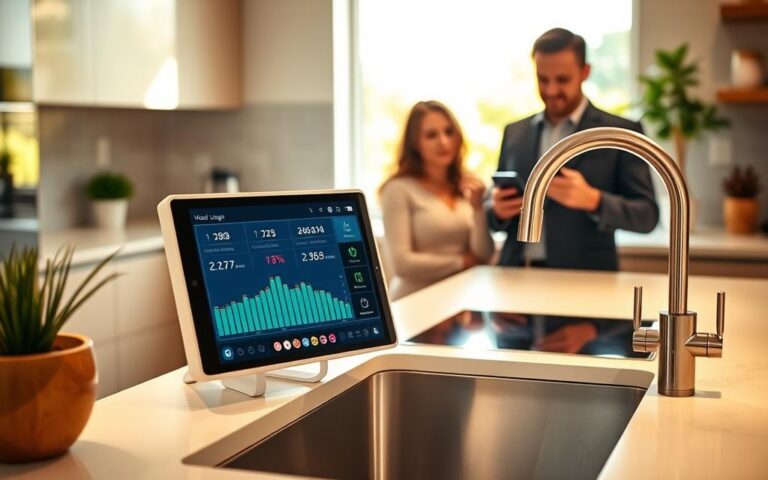
Use smart technology for instant leak alerts. Devices like water monitors and automatic shutoff valves connected to your home can stop water flow quickly when they detect a problem. Pair these gadgets with regular checks for a strong leak defense.
Practice simple habits to protect your plumbing. Avoid harsh drain cleaners, use strainers, and have everyone report leaks. Be careful with pressure washing to avoid disrupting the soil around pipes.
If you need to upgrade or face ongoing issues, talk to a plumber to explore your choices. For tips on when to get an inspection and how to spot problems, visit Precision Plumbing. They offer practical advice on finding hidden leaks.
The Cost Implications of Water Leaks
Water leaks may seem small, but they can greatly affect your pocketbook. Even tiny leaks make your water and energy bills go up, especially with hot water leaks. Bigger leaks can ruin floors, walls, and insulation, leading to costly repairs.
Understanding the Financial Impact
Water leaks can directly hit your wallet through higher bills and repair costs. They also bring indirect costs, like dealing with mold, replacing flooring, or even losing home value.
Small leaks might add a bit to your bills each month. But big problems like slab or line failures might need expensive fixes, sometimes reaching tens of thousands.
Paying for a pro to find leaks can actually save money over time. A few hundred dollars spent on detecting issues correctly means you won’t waste money or time on big repairs.
Long-term vs. Short-term Costs
Quick fixes often don’t cost much. Things like changing a faucet part, tightening connections, or sealing a leak can stay below $300. These are easy to do yourself or with a quick service visit.
Bigger repairs, however, can be pricey. Fixing major leaks or updating your home’s plumbing can cost from thousands to over $20,000. This depends on the size of your home and the repair method.
But spending on prevention pays off. Putting money into things like pressure regulators, modern pipes, regular checks, and advanced shut-off systems can keep emergencies at bay and cut down your regular bills.
| Expense Type | Typical Range (US) | Notes |
|---|---|---|
| Small continuous leak on fixtures | $10–$300 per month | Raises water and possibly energy bills; easy to fix if found early |
| Basic leak detection service | $150–$500 | Professional water leak detection helps localize problem and limit demolition |
| Simple repairs (faucet, valve, hose) | $50–$300 | Parts and minor labor; often same-day service |
| Slab or service line repair | $2,000–$20,000+ | Excavation, trenchless options, landscaping restoration affect price |
| Mold remediation and interior repairs | $500–$10,000+ | Cost varies with extent of water damage and required replacement materials |
| Preventive upgrades (smart shutoff, repiping) | $300–$15,000 | Upfront cost reduces long-term financial impact of water leaks |
Insurance and Water Leaks
When water gets into a house, homeowners face certain limits and rules in their insurance. It’s key to know what your policy covers to avoid unexpected bills and claim rejections. Insurers need you to act quickly, keep clear records, and show you’ve kept up with maintenance for water damage claims.

Homeowner’s Insurance Considerations
Most homeowners’ insurance covers sudden damages like a burst pipe or a broken washer. But, slow damage from leaks or seepage usually isn’t covered. The specific wording about water damage, backup, and groundwater in your policy really matters.
Look at your policy’s coverage limits and what you’ll pay out-of-pocket. Some insurance companies offer extra coverage for sewer backups. There are also municipal and private options for replacing pipes.
Insurance companies expect you to take care of your home. Keep track of any inspections and repairs. This is especially true for work done by professional plumbers. Good documentation can help resolve disputes and support your claim if you have leak damage.
Filing Claims for Leak Damage
If you find a leak, stop it if you can and take photos and videos. Work to prevent more damage by removing water and drying things out. Keep all receipts for these emergency steps.
Get estimates and reports from licensed plumbers or repair companies. These serve as evidence for your claim, helping the insurance adjuster understand the damages.
Tell your insurance company about the leak right away and show them your evidence. An adjuster will likely visit, and they’ll guide you on what to do next. If you’re facing big repairs, make sure to get the insurer’s okay first to prevent payment issues.
Some situations, like sewer backups or line failures, might need special coverage. If you don’t have this extra protection, you could have to pay out of pocket. It’s a good idea to think about the cost of extra coverage versus the risk of not having it.
Conclusion: Staying Proactive Against Water Leaks
Acting early can prevent big problems. Checking your home visually, using a water meter, and listening for odd sounds can spot leaks early. Tools like moisture meters or dye tests can identify issues. For hidden leaks, like those in walls or underground, infrared and acoustic tools are best.
Trying to fix leaks yourself is good at first. But if a meter test shows unexpected flow, or there’s potential damage, it’s time to call the pros. Experts use special gases and imaging to find leaks that you can’t see, thanks to their years of training.
To avoid big repair bills, keep up with maintenance. Lower the water pressure, use durable parts, and get regular checks to prevent emergencies. Think about getting smart detectors, auto shutoff valves, and insurance to keep your home and wallet safe.
Here are steps to take now: Test your water meter tonight. Check your appliances’ water connections. And, if your house is old or showing leaks, arrange for a plumber’s check-up yearly. For expert leak finding, contacting professionals can offer sure solutions and peace of mind.