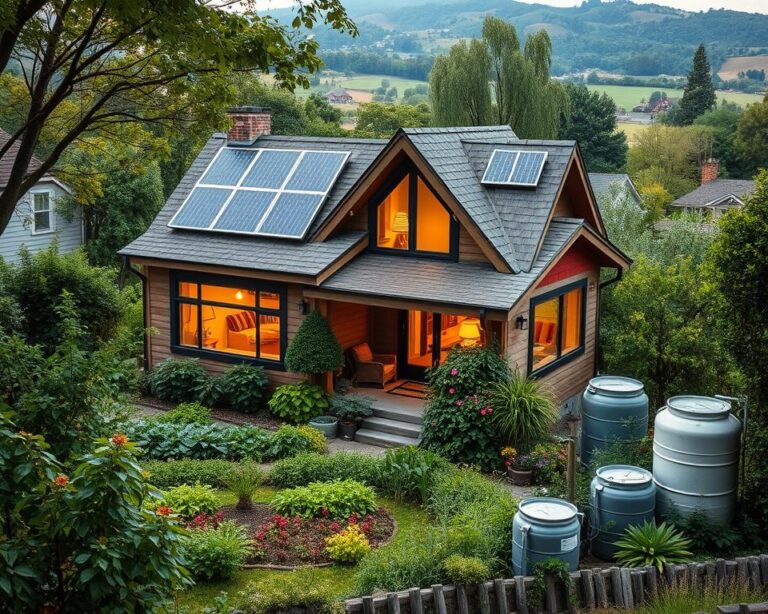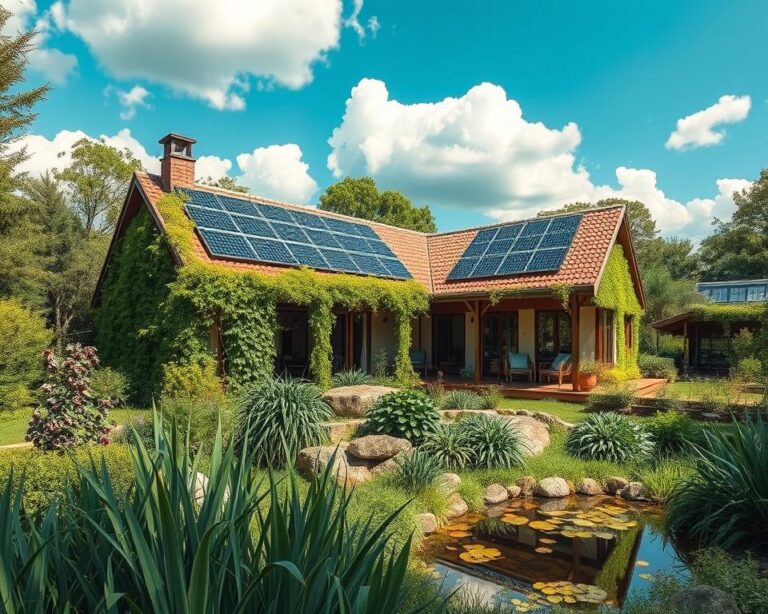

This guide gives easy, practical advice for homeowners in the United States. It shows how to make your home energy efficient and cozy. It also helps the planet. We cover retrofit projects, picking the right materials, and updating systems. Plus, we talk about landscaping and changing daily habits to save money, improve comfort, and be more green.
Are you a homeowner planning to remodel? Maybe a real estate investor looking for green upgrades? Or a contractor needing eco-friendly tips? This guide is for you. It has a checklist, advice on costs and benefits, funding help, and ways to keep saving money in the long run.
We look at important things like how much energy and water you use, air quality, and payback times. The guide mixes tips on green renovations and energy-saving actions. This way, you get real results.
Let’s start with why sustainable renovations are good. Then we’ll see how to audit your energy use and find problem areas. Next, we choose green materials and talk about insulation and recycling. We’ll update windows, doors, and heating/cooling. There are also tips on saving water and harvesting rainwater. Plus, using solar power, improving light with LEDs, and eco-friendly gardening. We’ll also explore smart technology, grants, and green financing. Finally, keeping up your eco-friendly home with regular checks and good daily habits is crucial.
Key Takeaways
- Homeowners, investors, and contractors can use these sustainable renovation tips to improve comfort and lower utility bills.
- Focus on retrofit projects, material choices, systems upgrades, landscaping, and behavior change for full impact.
- Track kWh, BTU, gallons, CO2/VOC levels, and ROI timelines to measure success.
- Expect a prioritized checklist, cost/benefit guidance, funding options, and maintenance plans.
- Sections ahead cover assessment, materials, HVAC, water, renewables, lighting, landscaping, smart tech, financing, and upkeep.
Understanding Sustainable Renovation
Sustainable renovation makes existing homes better for the planet and people living in them. It reduces the use of energy, water, and materials while making homes healthier and more comfortable. This involves choosing the right materials and technology that have less impact on the environment over their entire lifecycle. Homeowners can upgrade their homes without starting over, using methods that enhance the building’s shell, mechanical systems, and even adding renewable energy sources.
Instead of building new green homes, retrofits improve what’s already there. Strategies like sealing leaks, adding insulation, replacing old heating and cooling systems, and fixing windows are common. These methods go hand-in-hand with green construction concepts such as using sunlight wisely, controlling moisture, and choosing safer materials.
Guidelines at the national level provide a blueprint for success. Programs like ENERGY STAR for Homes, LEED for Homes, and the National Green Building Standard offer checklists and targets for performance. Following these guidelines helps track improvements and can qualify projects for financial benefits.
What is Sustainable Renovation?
Sustainable renovation involves techniques to use fewer resources and create better indoor spaces. It focuses on saving energy and water, minimizing waste, and using healthier materials. A big part of this is selecting materials that have a smaller environmental footprint, like those that are recycled or sustainably sourced.
When deciding between retrofitting or replacing, it’s often more efficient to update the building’s shell and seal any leaks. This, along with installing efficient systems such as heat pumps, reduces energy use. It also lowers costs over time, following eco-friendly building advice.
Benefits of Sustainable Renovation
One clear advantage is saving energy. Simple updates like better insulation and sealing gaps can cut the cost of heating and cooling by 10–30%. Adding efficient heating and cooling systems can save even more money.
Improving health and comfort is another major benefit. Using paints and materials with low toxins, controlling moisture, and ensuring good airflow reduces risks like mold. These steps help people feel better in their homes throughout the year.
Renovated homes with green certifications are more valuable and easier to sell. Buyers want homes that are efficient and perform well, and these homes can sell for more. This is becoming more common in the U.S. housing market.
There are also environmental pluses. Using less energy and choosing sustainable materials reduce harmful emissions. This makes renovation choices more eco-friendly.
Lastly, these renovations can make homes more resilient and cut down on utility bills. This is due to stronger building shells and more reliable materials. It also helps families budget better by avoiding sudden jumps in energy costs.
| Area | Typical Action | Expected Impact |
|---|---|---|
| Envelope | Insulation, air sealing, window upgrades | 10–30% lower heating/cooling costs; improved comfort |
| HVAC & Systems | High-efficiency HVAC, heat pumps, smart thermostats | Reduced energy use; better humidity and ventilation control |
| Materials | Recycled content, low-VOC finishes, low-carbon options | Lower embodied carbon; healthier indoor air |
| Water | Low-flow fixtures, efficient appliances | Reduced water use; lower utility bills |
| Renewables | Solar PV, battery storage | Cut grid electricity; lower emissions |
Assessing Your Home’s Current Efficiency
Knowing how efficient your home is can help you make smart updates. An energy audit shows where improvements are needed. This helps you make your home greener and choose updates that match your budget.
Conducting an Energy Audit
A pro audit goes beyond a simple DIY check. Experts use special tools to find where energy is wasted. They can tell you how to save energy and money by listing what changes to make first.
Start with a DIY audit to spot easy fixes. A checklist helps you decide faster and compare prices from different contractors.
- Inspect insulation levels in attic, walls, and crawlspaces.
- Look for drafts around windows, doors, and recessed lighting.
- Check thermostat settings and programmable schedules.
- Examine hot water tank insulation and pipe wraps.
- Review past utility bills for seasonal spikes and usage patterns.
Identifying Areas for Improvement
Read audit results with how much fixes cost and their impact in mind. Start with changes that are cheap but make a big difference. Like air sealing and adding insulation, these first steps can save you money quickly.
Big projects like improving insulation or updating your heating system are also important. The climate you live in can change what you should focus on first. Make a plan that lets you handle updates over time, starting with easy fixes.
Plan upgrades in stages to manage costs better. Begin with quick fixes like sealing cracks. Then move to bigger tasks, like updating insulation. Eventually, consider big changes like new windows or green energy.
| Priority | Typical Measures | Expected Impact | Estimated Payback |
|---|---|---|---|
| Short-term | Air sealing, weatherstripping, programmable thermostat | Reduces drafts, immediate comfort and bill savings | 6–24 months |
| Medium-term | Attic insulation, duct sealing, tank insulation | Lower heating/cooling loads, improved system efficiency | 2–6 years |
| Long-term | HVAC replacement, double-pane windows, whole-home air sealing | Major energy savings, higher resale value | 5–15 years |
| Climate-specific | Cold: added insulation; Hot-humid: shading, moisture control | Aligns measures with regional energy drivers | Varies by measure |
When hiring contractors, look at their offers carefully. Make sure they cover everything the audit suggested. Getting bids that match the audit helps you plan your renovations and manage your budget.
Incorporating Sustainable Materials
Choosing the right materials means a lot for eco-friendly home projects. Such choices can lower carbon, cut down on waste, and improve the air inside. Homeowners aiming for sustainability can find good options that last long and have less environmental impact.
Eco-Friendly Flooring Options
Reclaimed hardwood and FSC-certified wood bring warmth and durability, thanks to trusted sources. Bamboo is a smart pick if it comes from certified places. Cork feels soft and is good for areas where you live and play.
Natural linoleum, like Marmoleum, uses linseed oil and is easy on the planet when thrown away. Sealed polished concrete is tough, saves heat, and cuts energy costs. Pick products certified by FloorScore or GREENGUARD Gold to keep the air inside clean.
Think about how long floors last and how to take care of them. Hard-wearing surfaces need changing less often. Cleaning with mild products and soft mops keeps the air and surfaces safe.
Sustainable Insulation Solutions
Cellulose insulation is eco-friendly, sitting well in attics, and has low energy use in its making. Mineral wool resists fire and lasts long. Spray foam insulates well but needs careful choice and good air flow.
Rigid foam insulation improves heat holding with careful use of materials. Look for non-toxic batts and those with recycled stuff for a safer house. Make sure to seal leaks and vent well to stop dampness.
Use the Department of Energy’s advice on insulation thickness and type for your area. This helps you get the most energy savings from your insulation.
Choosing Recycled Materials
Recycled steel and old bricks are strong and lower carbon use. Composite decks from old wood and plastic save on waste and keep looking good with less up-keep.
Recycled glass for countertops and redone cabinets are unique and use fewer resources. Look for old, quality materials through salvage programs and Habitat for Humanity ReStores.
Choose makers that share details on recycled content and how they make things. Using recycled things helps avoid more waste and cuts down on carbon footprint—a key aim for green renovation.
Energy-Efficient Windows and Doors
Swapping old windows and doors for new ones saves energy. They keep the heat in and the cold out. Picking the right ones makes your house comfy and cuts energy use.
Benefits of Energy-Efficient Windows
To pick the best, check its U-factor, SHGC, and Air Leakage. ENERGY STAR guidelines help find the right fit for your area.
Advanced windows have layers of glass and special coatings. They’re filled with gases like argon to block heat escape. This can reduce your heating and cooling cost by up to 25%.
How well they’re installed is just as important. Done right, it stops heat loss and water leaks. Bad installation can waste all the benefits of good windows.
Selecting Quality Doors
Choosing doors means finding ones that keep heat in and last long. Steel or fiberglass doors have high R-values. Wooden doors look good and keep the house warm.
For glass doors, get ones that are designed to keep heat in. Storm doors give an extra layer of warmth. Brands like Therma-Tru and Pella offer tested doors.
Key details are crucial for sealing doors. Options like weather strips stop drafts. Proper fitting keeps out moisture. This helps your door last longer.
Using green building advice helps in the long run. Energy-saving windows and tight doors increase comfort and lower your energy bill. It’s better for your wallet and the planet.
Optimizing Home Heating and Cooling
Upgrading your heating and cooling is a top eco-friendly home improvement tip. Making small changes can lower your bills and make your home more comfortable. Think about controls, equipment, ducts, and incentives when you plan these upgrades.
Smart thermostats add scheduling, geofencing, learning, and remote control to managing your home’s climate. They connect with home energy systems and utility programs. ENERGY STAR studies show they can save 8–15% a year on heating and cooling costs when paired with efficient setups.
It’s important to get a thermostat that works with your system. Installers will look for things like a C-wire and if you have a heat pump. Leading models like Google Nest, Ecobee, and Honeywell Home have lots of features and are easy to find. Just be mindful of privacy settings to avoid sharing too much data.
Energy-saving HVAC options include air conditioners with high SEER ratings, and systems like modulating furnaces and mini-split ductless systems. These options use less energy by adjusting their output to your needs instead of just turning on and off.
The right size and design for your system are key to its efficiency. Doing a Manual J load calculation and Manual D duct design will ensure your equipment is the right size and your airflow is balanced. Choosing systems with lower environmental impacts not only helps the planet but might also get you rebates.
Keeping your system maintained is essential for it to work well. Things like changing filters regularly, getting yearly tune-ups, and sealing ducts can keep your system efficient. Ignoring regular maintenance can lead to your system not lasting as long as it should.
Incentives can make upgrading less expensive upfront. You might get federal tax credits for certain heat pumps. Local utilities often offer rebates on efficient gear. And sometimes, the people who sell and install the systems have payment plans, making it easier to afford big changes.
| Upgrade | Key Benefit | Typical Savings | Installation Notes |
|---|---|---|---|
| Smart thermostat | Automated scheduling and remote control | 8–15% on HVAC energy | Check for C-wire; compatible with Nest, Ecobee, Honeywell Home |
| Variable-speed heat pump | Efficient year-round heating and cooling | 10–30% versus older systems | Requires correct sizing; eligible for federal credits |
| High-SEER air conditioner | Lower cooling costs in hot climates | Up to 20% compared to low-SEER units | Pair with proper duct design for best results |
| Mini-split ductless system | Zonal control and reduced duct losses | 15–35% for targeted zones | Ideal for additions or rooms without ducts |
| Duct sealing & insulation | Improved airflow and lower energy waste | 5–15% whole-home improvement | Combine with tune-up and filter maintenance |
Water Conservation Strategies
Making simple changes can lead to big savings with water use. Small, smart updates cut how much water you use and help your community. By choosing eco-friendly home improvements, you can lower your bills and better handle dry periods.

Updating your plumbing is an easy step with big benefits. Picking the right items means you save water and still enjoy good performance. Often, adding new parts to what you already have works better and costs less than getting everything new.
Low-flow Plumbing Fixtures
EPA WaterSense toilets save a lot of water, up to 20% compared to old ones. Low-flow showerheads also save a ton of water every month, depending on how many people live in your home. Faucets that mix air into the water keep the pressure good while using less water.
When installing, it’s smart to check if everything will work together right. Special tech keeps the water flow steady, even when pressure changes. Think about reusing slightly used water for flushing toilets or watering plants, if the rules where you live allow it.
| Fixture | Typical Savings | Notes |
|---|---|---|
| WaterSense Toilet | 20%+ household water reduction | Requires correct trapway and seat sizing |
| Low-Flow Showerhead | Dozens to hundreds of gallons/month | Choose pressure-compensating models |
| Aerating Faucet | Reduced sink water use | Easy retrofit with standard threads |
Rainwater Harvesting Systems
Simple rainwater systems can make a big difference. They use your roof and gutters to collect water. Then, they clean it and store it for your garden. The right size tank can really cut down on water use for keeping plants alive.
Using collected rain for drips systems or toilets is smart, just make sure it’s clean enough. It’s also important to stop mosquitoes and manage extra water safely. Always check the rules in your area before you start building anything.
Pairing water-saving plants with rainwater makes your home even greener. This method lowers the need for clean water and helps with rain runoff too. It’s a smart choice for eco-friendly projects.
Putting together water-saving fixtures and rainwater collection gives many benefits. Following these green tips saves money, helps the planet, and makes your home work better.
Embracing Renewable Energy Solutions
Homeowners looking into sustainable renovation should think about renewable energy early on. Planning ahead ensures energy generation matches what your home needs. This avoids extra costs later. Consider site analysis, available incentives, and the upkeep of solar or small wind systems.
Many homes in the U.S. are good fits for solar arrays if the roof is right. The condition of your roof, its direction, and any shade factors in. You’ll also need to look at your yearly energy needs and local sunlight availability. You could have rooftop solar panels or ground-mounted systems if you’ve got the space.
Starting solar panel installation involves several key pieces. These include the solar panels themselves, the right type of inverter, mounting hardware, and systems to monitor performance. Keeping an eye on how they’re doing helps spot problems early. Remember, inverters might need swapping out before the panels do, so plan for this.
Paying for solar is a big part. You might get some help from the federal Investment Tax Credit (ITC) in the U.S., alongside state and local perks. How net metering policies affect you varies by location and changes the savings math. Financing can come through loans, leasing, or agreements that manage the costs differently.
Looking after your solar system isn’t too hard. Keeping them clean and checking them visually helps keep the energy flowing. If you add battery storage, like lithium-ion batteries, it helps during power outages or when electricity is more expensive.
If you have the right spot, small wind turbines might work alongside solar. But, this depends on having consistent wind speeds. You’ll need enough room, the right tower height, and to check local building rules. A detailed study of your site tells you what energy you might generate.
For wind energy, look for certified towers and systems. Combining wind, solar, and battery storage can smooth out energy production. This reduces how much you need from the electric grid, especially when both wind and sun are available.
Wind system costs and the process of getting permits can be more complicated than solar. If setting up a turbine doesn’t work for you, consider community renewables or green power programs for access to clean energy without on-site equipment.
Including renewables in your renovation plans means looking at what’s technically possible, the local policies, and any incentives. Working through these factors can lead to cleaner energy use, lower utility bills, and increased resilience for homeowners.
Enhancing Natural Lighting
Good daylighting makes you feel better, saves energy, and supports health. It involves smart design and lighting choices. These work with eco-friendly renovation tips to make your interior brighter while cutting down on electric light use.
Design Strategies for Improved Natural Light
Put windows where they can catch the sun and make sure they’re the right size. This way, rooms get a steady flow of daylight without getting too hot. Use clerestory windows, light shelves, and skylights to bring light into your home and keep your private space private.
If skylights won’t work, sun tubes can bring light from your roof to darker areas. Light shelves make ceilings and walls look brighter, making the room seem bigger. And things like overhangs and blinds control the glare and keep your home cool.
Picking the right kind of glass helps balance sunlight and keeping your home at a comfortable temperature. The paint and finishes inside your home also matter, because some reflect more light than others. Even cleaning or painting the eaves white can make a difference in how much light comes in.
To make sure your design works, you can model daylight before you build. Experts use special tools to check if the windows and shades will work as expected. This step makes sure that your eco-friendly design ideas really do what they’re supposed to do.
Benefits of LED Lighting
LED lights save a lot of energy and last a long time, reducing waste. They use much less energy than older types of bulbs. So, they’re great alongside natural light to make your home more energy-efficient.
When choosing LEDs, look for ones that show true colors (CRI 90+) and have the right color temperature for each space. Use warmer lights for relaxing areas and cooler lights where you need to focus. Always pick products with an ENERGY STAR rating to be sure they perform well.
Smart features like sensors, timers, and dimmers help use LED lights in the best way. Options that don’t flicker and are gentle on the eyes are good for your sleep cycle too. They give you stable, quality light when it’s dark.
| Strategy | Impact on Daylighting | Practical Tip |
|---|---|---|
| Clerestory windows | Bring high, even daylight deeper into rooms | Place on north or shaded south façades to reduce glare |
| Light shelves | Reflect sunlight onto ceilings to brighten interiors | Combine with high-LRV interior paint and semi-gloss trims |
| Skylights & sun tubes | Deliver strong top-down daylight where wall windows are limited | Use diffused glazing and consider multiple tubes for even distribution |
| Low-E glazing | Balances visible light with thermal control | Select SHGC based on climate; consult a glazing specifier |
| LED fixtures + controls | Reduce artificial lighting needs and enable daylight harvesting | Choose ENERGY STAR or DLC-rated LEDs with CRI 90+ and dimmability |
Want more tips on bringing daylight into your home? Check out the article on boosting natural light. It has great tips that go well with eco-friendly renovation ideas.
Green Landscaping Practices
Landscaping that saves water and helps wildlife can also make your house look better and work better. We’ll show you how to make your yard beautiful and efficient with green landscaping and smart home improvements.

Choosing Local Species for Resilient Yards
Plants native to your area use less water, fertilizer, and pesticides than non-native ones. To find the right plants, homeowners can check with their local cooperative extension or Audubon chapters. They provide plant lists suited to your climate and rainfall.
Choosing native plants helps bees and butterflies and makes your garden more diverse. These plants also improve the soil and help with water runoff.
Establishment and Maintenance Tips
Add organic matter to your soil and use mulch to keep moisture in and weeds out. Start planting in phases to help plants adjust without stress. Water new plants regularly until they’re strong.
Doing simple upkeep, like pruning, mulching, and careful watering, uses less water. And it keeps plants healthy. These steps help save money over time and are good for the planet.
Designing with Water in Mind
Xeriscaping uses careful planning and drought-resistant plants to greatly cut water use. This is especially true in dry areas. Xeriscaping can use up to 75% less water than regular yards.
Use drip irrigation systems and plant groups with similar water needs together to save water. Choose mulch and surfaces that let water through to keep the ground moist.
Hardscape, Stormwater, and Habitat Features
Permeable pavers and rain gardens help water get into the ground and reduce runoff. When you add native plants, your yard can also support local wildlife and make cities more resilient.
Hardscapes should be pretty and useful. Add native grasses, succulents, and bushes for beauty all year and easy care.
| Strategy | Primary Benefit | Practical Tip |
|---|---|---|
| Native plant palettes | Lower water and chemical inputs | Check local extension guides for species lists |
| Xeriscaping techniques | Significant water savings | Use drip irrigation and mulch heavily |
| Permeable surfaces | Reduced runoff and better recharge | Choose permeable pavers and gravel paths |
| Stormwater gardens | Improved infiltration and habitat | Plant deep-rooted native perennials |
| Phased planting | Higher establishment success | Plant in stages and monitor moisture |
Smart Home Technology for Sustainability
Smart home tech combines sensors, software, and devices to reduce waste and increase comfort. It lets homeowners use data to make wise choices in renovations and beyond. Small upgrades and good habits can lead to big savings.
Energy monitors let you see your real power use. Systems from Sense, Emporia, and smart meters from utilities offer insights into overall patterns. Monitors for specific circuits and devices show where most power is used.
Getting real-time feedback helps identify unseen energy use and high-power devices. This helps you save energy and decide where to invest in sustainable renovations. For example, you can see the difference a new heat pump or better insulation makes.
Smart systems can automatically adjust power use to save money. This includes things like delaying EV charging or using appliances when power is cheaper. They can also make better use of solar energy by optimizing when it’s stored or used.
It’s important to keep your data safe. Choosing companies with good privacy policies and using secure networks and passwords helps. These steps protect info from smart energy systems and control hubs.
Smart appliances can save money and make life easier every day. Think smart thermostats, fridges, and washers. They manage schedules, allow remote control, and waste less.
These smart devices also save water and power by adjusting how they run. Smart fridges, for instance, defrost only when needed. These improvements support other sustainable living tips.
When picking devices, consider their full lifespan and energy use when not active. Choose products with ENERGY STAR labels and low standby power. Cutting small amounts of power from many devices adds up.
Having appliances that work well together keeps your system flexible. Standards like Zigbee, Z-Wave, and Wi-Fi help. You can use them with systems like Apple HomeKit or Google Home. This helps you follow through on your sustainability goals.
| Feature | Example Products | Primary Benefit | Actionable Use |
|---|---|---|---|
| Whole-home monitor | Sense, Emporia, Utility smart meters | Aggregate load visibility | Track solar self-consumption and baseline use |
| Device-level monitor | Clamp meters, smart plugs | Per-appliance consumption | Identify high-use devices for targeted upgrades |
| Smart thermostat | Nest, Ecobee | Optimized heating and cooling | Schedule setback, integrate with demand-response |
| Smart washer/dishwasher | Samsung, Whirlpool models with smart features | Lower water and energy per cycle | Run during off-peak hours, use eco cycles |
| Smart refrigerator | LG, GE with adaptive defrost | Reduced compressor runtime | Use diagnostics, schedule defrost |
| Home hub/protocols | Apple HomeKit, Google Home, Amazon Alexa | System interoperability | Create automations that shift loads and save energy |
Sustainable Renovation Funding Options
Investing in home upgrades can make your home both more comfortable and cheaper to live in. Before you start, it’s smart to know what help you can get. You can choose from grants, rebates, and loans to fit your budget and eco-friendly goals.
Federal and local programs can help pay for things like making your home electric, better insulation, and solar panels. The Inflation Reduction Act gives you tax credits for installing heat pumps and making your home more energy-efficient. Solar power for your home can also get you a federal Investment Tax Credit. Plus, states might offer extra rebates and tax credits that work with federal ones.
Government Grants and Incentives
Company services often give rebates if you install insulation, efficient heating and cooling systems, or ENERGY STAR appliances. There are also programs to help families with lower incomes improve their homes at little or no cost. You’ll find special deals for things like heat pumps and making your home’s shell better.
Use resources like the Database of State Incentives for Renewables & Efficiency (DSIRE) to find deals, and check with local companies, too. You might need to get approved first or hire someone qualified to do the work. Keeping track of all your paperwork and following the rules is key to getting your money.
Eco-Friendly Financing Solutions
There are loans and mortgages that help spread out the cost of going green over time. PACE programs let you pay back money through your property taxes if your area allows it. This can be helpful because you don’t need cash upfront. But it might change your mortgage options and the closing process of your house.
Other ways to borrow money include bank loans, tapping into your home’s equity, or getting a plan through your contractor. These come with interest and fees that can vary. It’s a good idea to compare the total cost and savings to see if it’s worth it.
Local nonprofits and financial groups might have special loans or grants for those who qualify. It’s important to look at all your options and understand the rules and repayment plans. That way, you can pick the best mix of help for your eco-friendly home projects.
| Funding Type | Typical Use | Pros | Cons |
|---|---|---|---|
| Federal Tax Credits | Heat pumps, solar, electrification | Large dollar offsets; reduces tax liability | Requires tax liability; documentation needed |
| Utility Rebates | Insulation, HVAC, appliances | Immediate savings; often simple to apply | May require pre-approval; limited funds |
| PACE Financing | Major retrofits, solar, efficiency upgrades | Long-term repayment; low monthly cost | Impacts property tax bill and mortgage options |
| Green Loans / HELOC | Smaller projects, staged upgrades | Flexible use; familiar lenders | Interest costs; credit requirements |
| CDFI Grants & Loans | Low-income weatherization, targeted upgrades | Low rates or forgivable funds; community focus | Limited availability; eligibility rules |
Maintaining Sustainable Practices Post-Renovation
After you upgrade your home to be more eco-friendly, keeping up with those changes is key. It’s important to have regular checks to find and fix problems early. This keeps your new systems working well. Checking your bills every month and using simple tools can also help catch any issues early.
Regular Efficiency Checkups
It’s a good idea to get your HVAC checked every year. You should also look at your roof and gutters twice a year. And change your HVAC filters about every three months or as the maker suggests. Tests like blower door or thermography are good after big updates or bad weather. Keeping things clean, making sure everything’s ventilated, and sealing cracks can prevent problems. If your bills go up suddenly, your home feels unevenly hot or cold, or you see mold, call a pro. This is especially true if your warranty says you need expert help.
Sustainable Living Practices to Adopt
Making small changes can make your eco-friendly updates last longer. Setting your thermostat just right, washing full clothes loads in cold water, and turning off gadgets can save energy. Taking quicker showers and using the right amount of water for your yard saves water. Always thinking about upgrades—like getting newer, more efficient appliances and keeping your home well-sealed—keeps your home up-to-date.
Getting involved in your community brings more good. Join local energy-saving programs or groups that buy solar panels together. Sharing what you learn with your neighbors helps everyone. Set goals for using less energy and water, check your progress yearly, and keep updating your plans. This helps you keep living sustainably every day.