
This guide offers practical tips for homeowners in the United States who aim to lower utility bills and make their homes more comfortable and valuable. It outlines simple to advanced eco-friendly updates. For example, installing LED lighting and smart thermostats, improving insulation, and replacing HVAC systems are covered.
Renovating for energy efficiency helps reduce utility costs, improve comfort, and lower emissions. You can see payback quickly with small changes. But, big improvements like new insulation or solar panels can take years to pay off. Depending on the eco-friendly changes you make, you could cut energy bills by 10–50%.
Next, we’ll talk about how to make your home more energy-efficient. We cover insulation, windows, doors, roofing, appliances, and more. We also discuss solar options and water-saving tips. This guide will help you figure out what changes are best for your home, how to budget, and when it might be time to hire experts. Adding several energy-saving upgrades can give you the best savings and comfort over time.
Key Takeaways
- Energy-saving home renovation ideas range from low-cost upgrades to major retrofits.
- Eco-friendly home updates can cut bills by roughly 10–50% depending on scope.
- Energy-efficient remodeling tips include insulation, windows, HVAC, and appliances.
- Sustainable house improvements often require professional assessment for best results.
- The guide references DOE, ENERGY STAR, EPA, and HUD guidance for proven practices.
Understanding Energy Efficient Renovations
Updating old homes is not just about looks anymore. It’s about making them work better too. Owners want renovations that lower bills, increase comfort, and boost a home’s value for when they sell. This section explains why making your home more energy efficient is important and its benefits for both the home and community.
The Importance of Energy Efficiency
Being energy efficient saves money on heating, cooling, water heating, lighting, and appliances. The U.S. Department of Energy says heating and cooling can use the most energy in a home.
Experts use tools like the HERS index, R-values, and ENERGY STAR certifications to see if upgrades are worth it. These tools help decide what changes to make during a renovation.
Retrofits can also make your home’s air cleaner, get rid of drafts, and keep moisture in check. These additional benefits can make your home healthier and better at dealing with changes in energy prices. It’s important to install everything right to get these benefits.
Environmental Impact of Energy Consumption
Using less energy in homes reduces carbon emissions and eases the burden on our electric grids. A lot of people making their homes more energy efficient supports our climate goals.
Using renewable electricity with energy efficiency helps even more. This can lessen our need for fossil fuels and help electric companies during busy times.
Improving energy use in homes helps communities handle extreme weather better. Agencies like the EPA and ENERGY STAR offer advice to make sure projects are good for the environment.
| Focus Area | Key Metric | Why It Matters |
|---|---|---|
| Envelope and Insulation | R-value, U-factor | Reduces heat loss, lowers heating and cooling costs, improves comfort |
| Windows and Doors | U-factor, SHGC, ENERGY STAR label | Limits drafts and solar gains, enhances daylighting, cuts HVAC load |
| HVAC Equipment | SEER, AFUE, HSPF | Higher efficiency units use less energy and often qualify for rebates |
| Appliances and Lighting | ENERGY STAR rating, lumens per watt | Immediate energy savings, short payback for many fixtures and appliances |
| Whole-Home Approach | HERS index, combined ROI | Measures overall performance and guides phased energy-efficient remodeling tips |
Insulation Upgrades for Improved Efficiency
Many energy saving ideas for home renovation focus on insulation upgrades. These upgrades make heating and cooling systems run less by blocking heat transfer. This not only saves energy but also makes your home more comfortable. People who upgrade their insulation often get their money back sooner than with other projects.
Types of Insulation Materials
Fiberglass batts are a popular choice for walls and attics because they’re not expensive. They also provide a decent amount of insulation per inch. Blown-in cellulose works well for spaces that are hard to shape, is made from recycled material, and is energy efficient.
Spray foam insulation comes in two types: open-cell and closed-cell. Open-cell is great for blocking air and reducing noise. Meanwhile, closed-cell offers better insulation and prevents moisture, making it perfect for basements and crawlspaces.
Mineral wool is good at resisting fire and staying in shape even when wet. Rigid foam boards like polyiso, XPS, and EPS are excellent for outside walls and bases because they insulate very well.
Benefits of Proper Insulation
Right insulation can lower your energy costs by 10–30%. It keeps your house warmer in winter and cooler in summer, reduces drafts, and helps stop mold from growing. Using continuous insulation and sealing leaks well can stop heat from escaping and keep temperatures steady.
Blower door tests and infrared cameras find leaks to fix before and after improvements. Starting with the attic is a good move for many houses. Then, you can seal and insulate walls and areas under the house. Different materials are better for different situations, and they all have their own costs, lifespan, and environmental effects.
When picking an insulation contractor, it’s important to choose someone certified. A contractor with credentials from the Building Performance Institute (BPI) will ensure the job is done right and the insulation works as expected.
| Material | Typical R-Value per Inch | Best Uses | Key Pros | Key Cons |
|---|---|---|---|---|
| Fiberglass Batts | R-2.9 to R-3.8 | Stud walls, attics | Low cost, easy to install | Air leaks reduce performance |
| Blown-In Cellulose | R-3.2 to R-3.8 | Attics, dense-pack walls | Recycled content, low embodied energy | Settling can reduce R-value |
| Open-Cell Spray Foam | R-3.5 to R-3.7 | Interior cavities, sound control | Good air sealing | Lower R-value than closed-cell |
| Closed-Cell Spray Foam | R-6.0 to R-7.0 | Basements, exterior continuous insulation | High R-value, moisture barrier | Higher embodied emissions, cost |
| Mineral Wool | R-3.0 to R-3.3 | Fire-rated walls, basements | Fire resistant, moisture tolerant | Higher cost than fiberglass |
| Rigid Foam Board (Polyiso/XPS/EPS) | R-3.8 to R-6.5 | Exterior sheathing, foundation walls | Continuous insulation, high R-value per inch | Cost varies; some types have higher embodied energy |
Energy-Efficient Windows and Doors
Windows and doors are where homes lose or gain a lot of heat. They affect your heating and cooling system, your comfort, and your energy bills. Small fixes can stop drafts. Bigger changes can be part of larger home energy savings and green renovations.
How to spot high-performance glazing
To find good windows, look for the Energy Star label. This label means the window has passed tests for keeping heat in or out, depending on your area. It also checks for air leaks. In cold areas, you want windows that keep heat in. In hot sunny areas, you want windows that keep heat out.
Some features to look for are double or triple glass layers, special coatings, and gas fills between the glass. There are also warm-edge spacers. These things help reduce heat going through the glass. The NFRC label will show you the window’s ratings.
When to repair versus replace
If your windows and frames are still in good shape and aren’t rotting, you might just need to fix them. This could mean new weatherstripping or sealing cracks. If you have a lot of drafts, rot, or warped frames, it’s usually better to replace them.
It’s a good idea to have a professional check your windows before you decide. How well they’re installed is just as important as the window itself. Even the best windows won’t do their job if they’re not put in right.
Benefits of new exterior doors
Getting new doors can save energy and make your home safer. Doors made with insulated steel or fiberglass keep heat better. They also have better seals to stop drafts. This makes your home use less energy for heating and cooling.
New doors can also block more noise and make your house look better. With new doors, you might notice fewer cold spots and more even temperatures inside.
Cost, payback, and alternatives
How quickly you get your money back from new doors or windows can vary. In places with extreme weather, you’ll likely save money faster. If you can’t afford new windows for the whole house, storm windows or panels inside can also help save energy for less money.
Brands and standards to research
If you’re thinking about making changes, look at products from Andersen, Pella, and Marvin. Use ENERGY STAR and NFRC ratings to compare them. This will help make sure your choices fit with bigger home energy savings and green project goals.
| Feature | What to Expect | When It Helps Most |
|---|---|---|
| Double or Triple Glazing | Extra panes reduce heat transfer and noise | Cold climates and noisy urban lots |
| Low-e Coatings | Reflects radiant heat to control solar gain | Hot, sunny regions and south-facing windows |
| Inert Gas Fill (Argon/Krypton) | Improves insulation between panes | Homes seeking high R-value without thicker frames |
| Warm-Edge Spacers | Reduces edge heat loss and condensation risk | High-humidity climates and older window replacements |
| Insulated Steel/Fiberglass Doors | Foam cores add thermal barrier and strength | Exterior entries and garage doors |
| Storm Windows / Interior Panels | Lower-cost option to reduce drafts and improve performance | Historic homes or tight budgets |
Sustainable Roofing Options
Roofing is key for a house’s warmth and cooling needs. The color, material, and how it’s put together can change how much heat goes to the attic. This also affects how much work the heating and cooling system has to do. Choosing eco-friendly roofing makes your home comfier. It also helps save energy, reduces bills, and lessens your carbon footprint.
Cool shingles and reflective systems
Cool roofs are made of materials like reflective shingles or metal roofs. These have high-reflectance coatings. There are also single-ply membranes. They help the roof bounce back more sunlight and emit heat. This can keep attics cooler in hot places, lower the need for air conditioning, and may help roofs last longer.
If you choose cool shingles, you might pay less for energy in the summer. Companies like GAF, CertainTeed, and Owens Corning have products that reflect more sun. Reflective coatings are a cost-effective way to upgrade. They don’t require a full roof replacement.
Living roofs and rooftop ecosystems
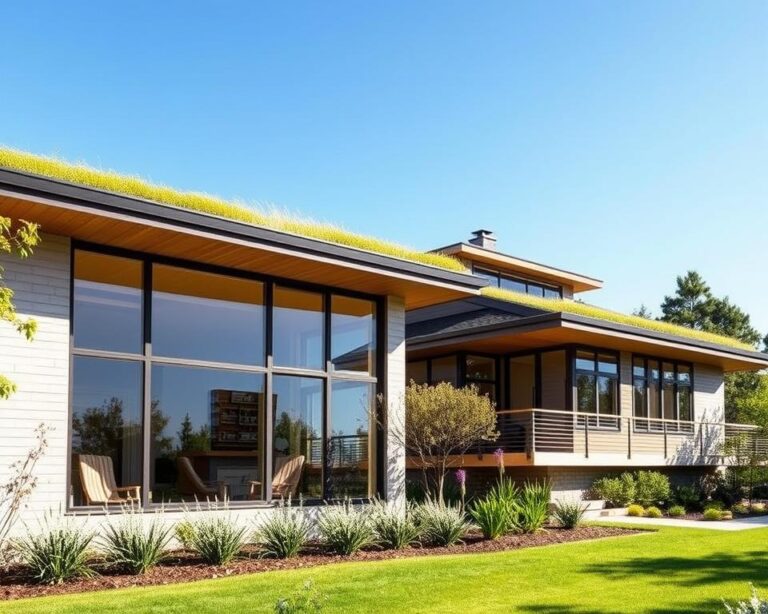
Green roofs use plants and special soils to cover rooftops. Some have light plantings that need little care. Others are more intense, with deeper soil for bushes and walkways. Both types insulate and hold back rainwater.
They can cool down cities, add more plants and animals, block noise, and work well all year. But, they can be heavy. This means you need to think about your roof’s structure. You also need the right waterproofing, root barriers, and upkeep. Flat or gently sloping roofs are usually the best choice.
Complementary sustainable upgrades
There are more ways to make a roof eco-friendly. Try solar-reflective coatings, shingles made from recycled materials, or better ventilation. Using ridge vents with soffit vents helps air move, keeps the attic cool, and works well with insulation. Choosing asphalt shingles or metal roofing made from recycled stuff cuts down on energy used to make them.
Costs, climate fit, and expected gains
The cost and benefit depend on your local weather and roof style. Cool roofs save the most money in hot, sunny places. Green roofs have benefits all year but can cost more at first. They may need changes to your roof’s structure.
The long-term payoff includes less spent on cooling, longer roof life, better stormwater control, and a tougher home. Talk to local experts and check building codes before you decide. Look at the costs over the life of the roof when planning eco-friendly updates to your home.
| Option | Primary Benefit | Typical Upfront Cost | Best Climate | Maintenance Needs |
|---|---|---|---|---|
| Reflective Shingles | Lower attic temps and cooling use | Moderate (replacement-level) | Hot, sunny regions | Low to moderate; periodic cleaning |
| Metal Roof with Coating | High reflectance, long life | High | Hot and mixed climates | Low; inspect fasteners and coatings |
| Single-Ply Membrane | Strong reflectance, durable | Moderate to high | Commercial and flat-roof homes | Moderate; seam inspections |
| Solar-Reflective Coating | Cost-effective retrofit to reduce heat | Low | Hot climates | Moderate; recoat over time |
| Recycled-Content Shingles | Lower embodied energy | Moderate | All climates | Low; standard care |
| Extensive Green Roof | Stormwater retention, insulation | High | Temperate and urban areas | Low to moderate; vegetation care |
| Intensive Green Roof | Biodiversity and amenity space | Very high | Temperate climates | High; irrigation and gardening |
| Improved Ventilation (ridge/soffit) | Reduces attic heat, complements insulation | Low to moderate | All climates | Low; periodic inspection |
Smart Home Technologies for Energy Savings
Smart home tech lets you control energy use automatically. It uses scheduling, sensors, and online connections to reduce waste. When you combine this with energy-efficient home improvements, you save more money and live more comfortably.
Smart Thermostats
Smart thermostats adjust your home’s temperature by learning your habits. They work with top brands like Google Nest and Ecobee. These devices can be controlled from anywhere and help your HVAC system work better.
They can save you 8–15% on heating and cooling costs. They make it easy to set schedules and temperatures. This helps you find ways to make your home more energy-efficient.
Home Automation Benefits
Home automation helps cut down on wasted energy. It includes smart lights that use less power and switches that turn off unused appliances. This can reduce your electricity bill.
Tools like Sense and Emporia track your energy use in real time. They suggest home improvements for saving energy. A connected home system gives you control and info to make your home more efficient.
It’s important to keep your devices secure. Update them regularly and use strong passwords. Make sure new smart devices work with your current setup.
Utilities might offer discounts for smart thermostats and energy-efficient homes. Combining these offers with home improvements can help you save on bills. This makes your home both smarter and more efficient.
High-Efficiency Appliances
Many home appliances use a lot of energy. Refrigerators, washers, dryers, dishwashers, water heaters, and ranges affect your bills. Picking better models and using energy-saving tips help lower costs and emissions.

What Makes Appliances Energy Efficient?
When shopping, look for labels that show efficiency. ENERGY STAR means the product saves energy. Inverter compressors in refrigerators and HVAC units manage speed to save power. Heat-pump tech in dryers and heaters is more power-friendly than traditional methods.
Efficient motors, better insulation, tight seals, and smart controls also help. Technology like adaptive cycles and moisture sensors adjust to your needs. This improves efficiency and makes appliances last longer.
Replacing Old Appliances: A Cost-Benefit Analysis
First, consider the age and efficiency of what you have. An old fridge may use much more energy than a new ENERGY STAR one. The savings vary depending on how you use them and your local electricity rates.
Think about costs, rebates, and how long it will last. To see if it’s worth it, divide the upgrade cost by how much you’ll save each year. Switching to clean electric options, like heat-pump heaters or induction cooktops, can also help save energy and reduce emissions.
Check out brands like Whirlpool, GE, LG, Samsung, and Bosch. Also, look at ENERGY STAR lists to compare. Upgrading appliances with other home energy improvements can save more money. Use smart energy-saving tips to focus on changes with the biggest impact first.
Solar Energy Solutions
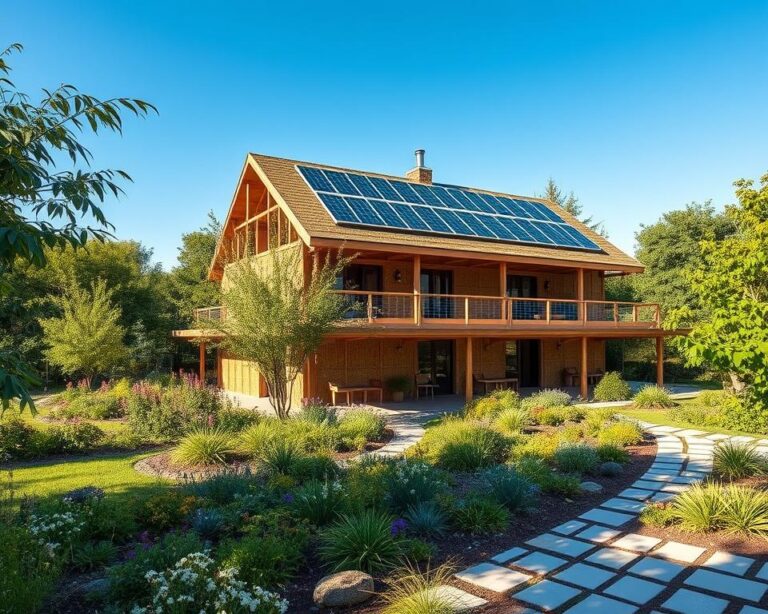
Adding solar panels to your home is a smart eco-friendly upgrade. It not only reduces reliance on the grid but also slashes energy bills over time. Before going solar, you should think about how big your setup needs to be, your roof’s condition and its direction, and if there are any shadows blocking sunlight.
Options for Solar Panel Installation
Rooftop solar is a popular choice. For angled roofs, flush-mount panels are common, whereas rail-mounted panels are preferred for easy maintenance. If you have a flat roof, ballast mounts are used to install panels without drilling holes.
If your roof can’t hold panels, consider a ground-mounted setup. These allow you to adjust the panels’ tilt for better sunlight capture. For those renting or with lots of shade, community solar lets you use electricity from a shared solar farm.
Solar panels can also come with battery backups like Tesla Powerwall. These batteries store extra solar power for later use. This can be really helpful during the evenings or on cloudy days.
Planning your solar system includes looking at how much shade you have, estimating power production, and setting goals for energy production. It’s crucial to pick a system size that matches your electricity needs to avoid having either too much or too little capacity.
Incentives for Solar Energy Use
The government offers tax breaks to encourage solar power. The Investment Tax Credit (ITC) lets you deduct a part of your solar costs from your taxes. States and power companies might offer extra rebates, making solar even more affordable.
Programs like net metering can speed up how quickly you see savings from your solar panels. However, the details vary by location. Always check the rules and agreements in your area before getting started.
There are also special financing options and state discounts. Websites like the Database of State Incentives for Renewables & Efficiency have up-to-date info on these opportunities. Make sure you pick a reputable installer and understand the warranty on your solar setup to protect your investment.
- Payback considerations: look at expected savings, incentives, and loan costs to figure out when you’ll start saving money.
- Warranty and performance: make sure your panels and inverters come with reliable warranties for peace of mind.
- Installer selection: choose a contractor with good reviews and the right qualifications.
Water-Saving Renovations
Water use directly impacts how much energy a home uses. This is because heating water costs a lot of money. By choosing water-saving upgrades, you can lower your water bill and use less energy for heating. These changes are good for the planet. They also help save money each month and reduce the demand for water in your city.
Low-Flow Fixtures
Low-flow fixtures are designed to use less water without sacrificing comfort. They include things like faucets, showerheads, and toilets. For example, EPA WaterSense showerheads use no more than 2.0 gallons per minute. Modern toilets use 1.28 gallons per flush or even less. Faucets are aimed to use about 1.5 gallons per minute.
The amount you save varies. But, switching to these fixtures can reduce water use inside by 20–40%. This means needing less energy to heat water. Most homeowners see their bills go down within a year.
When making these changes, there are ways to keep things working great. You can switch out faucet aerators to keep water pressure up. Pick showerheads that are WaterSense-certified and have a strong spray. For toilets, dual-flush models are a good pick. They use less water depending on the type of waste. Always test new fixtures to ensure they meet your needs and adjust as necessary.
Rainwater Harvesting Systems
Rainwater systems collect water from your roof. They use gutters, diverters to remove debris, and storage like barrels or cisterns. Filtrating the water lets you use it for things like watering plants, flushing toilets, and sometimes even laundry.
How much water you save depends on the size of your roof and the rainfall. Even small systems can reduce outdoor water use by 30–60%. This helps lessen stormwater runoff. Using rainwater and greywater together is even more efficient.
Remember, local laws are important. Each place has its own rules for collecting and using rainwater. Always check local regulations before starting. Using diverters and filters will help you meet these rules.
Making your home more water-efficient gets even better when you upgrade your water heater. A tankless or heat pump water heater loses less energy. When you combine these changes, you use water and energy more efficiently. This makes your home better overall.
Energy-Efficient Heating and Cooling Systems
HVAC systems use a lot of home energy. Making smart choices in these systems helps save energy and money. A system that fits your home well and is kept in good shape can cut costs. It can also make your home more comfortable and reduce harmful emissions. The following sections will discuss different systems and how to keep them running efficiently.

Types of HVAC Systems
High-efficiency furnaces have an AFUE rating. The best ones have ratings over 95, perfect for cold places that use gas for heat. Condensing boilers operate on this principle too. They work for water-based heating systems and capture heat from exhaust gases.
Heat pumps simply move heat rather than making it. Air-source types are great for mild climates. There are even models designed for colder weather. Geothermal systems use the earth’s stable temperature to heat and cool homes efficiently, but they cost more initially.
Ductless mini-splits control temperature by room and reduce duct losses. Hybrid systems combine a heat pump with a gas furnace. This setup ensures efficiency and comfort as temperatures change. When choosing what’s right for your home, consider efficiency ratings. These include SEER for cooling, HSPF for heating with heat pumps, and AFUE for furnaces and boilers.
Systems with zoning and variable-speed compressors offer even more comfort and efficiency. It’s also crucial not to choose too big of a system. That can waste energy and money. Think about your local climate, available fuels, and the costs over time when choosing an HVAC system for your home upgrade.
Benefits of Regular Maintenance
Regular HVAC maintenance has lots of benefits. Changing filters regularly keeps the air clean and the system running smoothly. Also, getting a professional checkup every year ensures everything is working as it should.
Sealing and insulating ducts make your system run better and last longer. Adjusting thermostats and checking motors can also save energy. A well-cared-for system doesn’t need as many repairs. It works efficiently and lasts longer.
Commissioning new systems makes sure they work right from the start. Choosing qualified technicians for the job means a better-setup system. Many places offer money back for installing energy-saving HVAC systems. This can help reduce costs in green home renovations.
| System Type | Efficiency Metric | Best Climate | Typical Benefits |
|---|---|---|---|
| High-efficiency furnace | AFUE >95% | Cold climates | Lower fuel use, proven tech, strong heat output |
| Condensing boiler | AFUE high | Cold, hydronic systems | Efficient hot-water heat, quieter operation |
| Air-source heat pump | SEER, HSPF | Moderate to cold (modern models) | Heating and cooling in one, low operating cost |
| Ground-source (geothermal) | COP >3 typical | All climates | Very stable efficiency, long lifespan |
| Ductless mini-split | SEER, HSPF | Retrofits, rooms, additions | Zoning, no duct losses, easy install |
| Hybrid system | Combined metrics | Varied climates | Smart switching, fuel cost optimization |
Eco-Friendly Landscaping
Landscaping shapes a home’s climate, affecting energy use by managing elements like sun and wind. Proper plant and hardscape choices can lower cooling needs, reduce the need for watering, and control stormwater. These methods work well alongside sustainable home improvements, enhancing efficiency.
Native Plants for Reduced Water Usage
Using native plants cuts down on water use and supports local wildlife. Homeowners can use USDA plant guides and local advice to choose suitable, drought-tolerant plants.
Deciduous trees on the home’s south and west offer summer shade and winter sunlight. Evergreens on the north protect against winter winds. Plants near the house keep soil moist, lowering water use.
Xeriscaping with native plants reduces water needs. Group plants by their water requirements, use mulch to keep moisture, and prefer drip irrigation for efficient water use. These approaches compliment eco-friendly home updates, making a garden more sustainable.
Using Permeable Materials for Paving
Permeable materials like pavers and porous concrete cut down runoff and refill groundwater. They also lower surface heat, helping cool cities.
Walkways that let water through, combined with mulch and plants, reduce water needs. Designing hardscapes to guide water to gardens or storage boosts rainwater use.
Layouts should include shade trees and wind-blocking shrubs, use water-friendly paving for outdoor areas, and choose plants that match. These measures support energy-efficient home upgrades, ensuring a garden’s durability.
Government Incentives for Energy Renovations
Homeowners have access to various national and local programs that reduce the initial costs of energy improvements. These programs include federal tax incentives, utility rebates, low-interest financing options, and weatherization assistance for families with qualifying incomes.
At the national level, new laws have broadened tax credits and rebates for things like solar panels, heat pumps, efficient windows, and better insulation. The Investment Tax Credit for solar is a significant benefit. Also, utility companies often give rebates for ENERGY STAR products and HVAC system replacements. Before starting any projects, homeowners need to check if they’re eligible, know the credit amounts, and understand the necessary paperwork with the IRS and program leaders.
Available Tax Credits and Rebates
Many green home improvements come with federal tax benefits. You can get credits for solar equipment and storage with the ITC. There are also credits for energy-saving heat pumps, windows, and insulation available.
Utility companies can offer immediate savings with rebates on efficient appliances and HVAC system updates. To get these, contractors need to show detailed work outlines and proof from manufacturers. Keep all your receipts and installation evidence to make rebate claims quicker.
State-Specific Programs to Explore
Programs at the state and local level differ a lot. Homeowners should talk to state energy offices, check out local utility efficiency programs, and use the DSIRE database to find specific programs. This includes low-interest loans like PACE and assistance for low-income families to weatherize their homes.
In some places, you can get breaks on property taxes, waivers for permit fees, or direct grants for saving energy at home. Remember, timing is crucial: finish your projects by the deadline and get necessary pre-approvals.
How to make the most of these benefits:
- Compare bids from different contractors and ask for detailed billing for rebates.
- Save all receipts, product certifications from manufacturers, and contractor warranties.
- Check the deadlines and documentation requirements of the program before starting your project.
| Incentive Type | Typical Benefits | What to Prepare | Who to Contact |
|---|---|---|---|
| Federal Tax Credits | Credit toward income tax for solar, storage, heat pumps, insulation | Manufacturer certifications, proof of purchase, IRS forms | IRS guidance, tax preparer |
| Utility Rebates | Instant rebates on appliances, HVAC, smart thermostats | Itemized contractor scope, receipts, rebate application | Local utility energy-efficiency program |
| State Loan & PACE | Low-interest financing for comprehensive upgrades | Project proposals, property information, contractor bids | State energy office, local PACE administrator |
| Weatherization Assistance | Free or low-cost insulation, air sealing for income-qualified homes | Income verification, residence paperwork | State weatherization program office |
| Local Grants & Abatements | Permit fee waivers, local grants, tax abatements for green home renovation projects | Permit applications, project specs, proof of energy measure | City planning or building department |
Creating a Sustainable Home Strategy
Creating a sustainable home starts with a clear plan. This plan turns home renovation ideas focused on saving energy into a practical and budget-friendly roadmap. First, homeowners should conduct a home energy audit and a blower-door test to identify leaks and insulation issues.
After identifying these issues, start with low-cost yet impactful steps. These include air sealing, adding insulation, switching to LED lighting, and installing smart thermostats. Then, consider bigger upgrades.
Plan long-term renovations in stages. This approach helps manage both the disruption to your daily life and your expenses. Begin with quick fixes to enjoy immediate savings and rebates. Later, tackle medium-term projects like replacing windows, improving your HVAC system, and upgrading appliances. Save big projects, like installing solar panels or major renovations, for last.
After making changes, keep track of your home’s energy usage. Begin with a pre-renovation energy use report using old utility bills. Then, install smart meters for real-time energy use feedback. Compare your new energy data with the old to measure savings. Remember to calculate your return on investment (ROI). It’s smart to check in on your energy savings every few years.
Maintain a practical checklist to stay on track: complete an audit, start with simple upgrades, and move to bigger projects as finances allow. Get ready for future needs like electric vehicle charging. This balanced approach to renovations helps you keep an eye on progress while aiming for long-term benefits.